This page contains affiliate links. If you purchase through them we may earn a small commission at no extra cost to you. Learn more
Bushcraft & Survival Skills: The Complete UK Guide
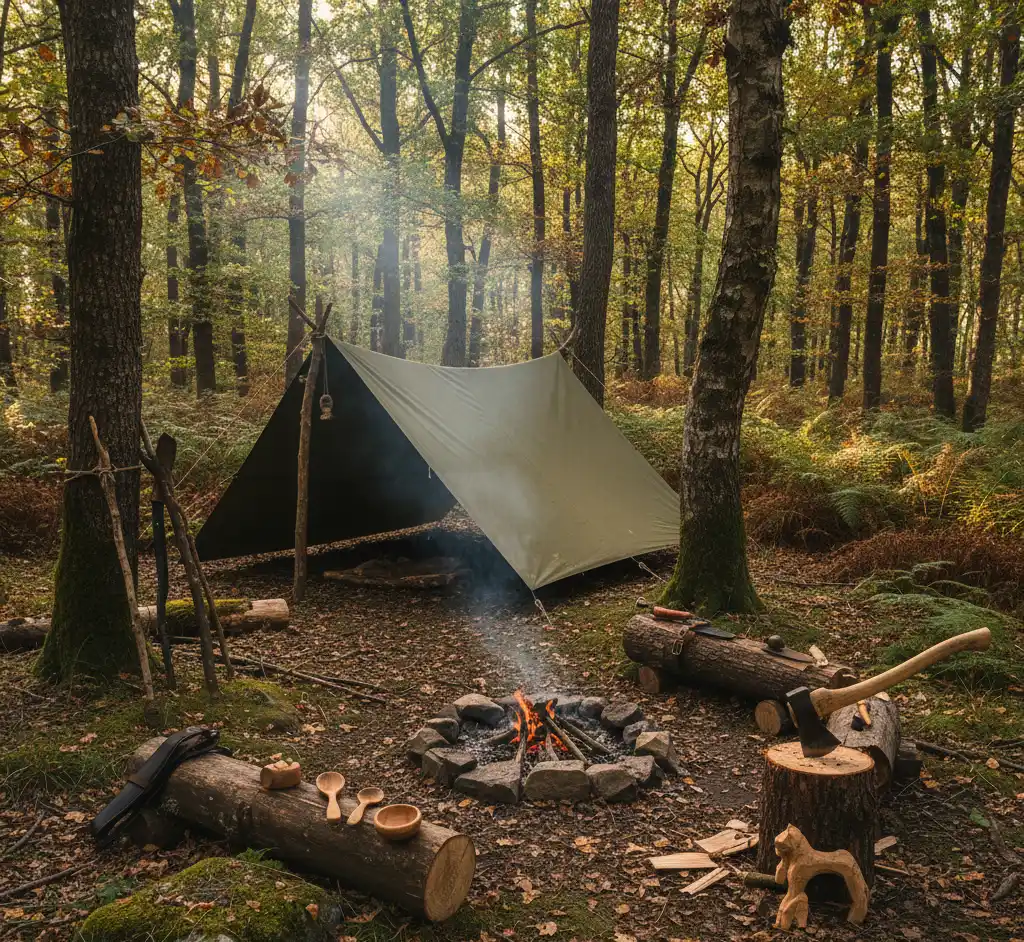
Bushcraft & Survival Skills: The Complete UK Guide
Bushcraft isn't about pretending you're stranded in the Amazon. It's about understanding the land you're actually standing on — the wet, windswept, surprisingly beautiful British countryside — and knowing how to thrive in it.
Whether you're a wild camper who wants to level up, a hill walker who worries about "what if," or someone who just fancies learning how to light a fire without a lighter, this hub is for you.
What Is Bushcraft, Really?
Strip away the TV drama and bushcraft is simply this: the skills needed to live comfortably outdoors using what nature provides, combined with a small amount of well-chosen kit.
In the UK context, that means:
- Making fire in damp conditions (because it's almost always damp)
- Building shelter from wind and rain using woodland materials
- Finding and purifying water from streams and rainfall
- Navigating with a map, compass, and natural signs
- Understanding wildlife — what's harmless, what's not, and how to coexist
- Cooking outdoors without burning down a national park
- Tying knots that actually hold
None of this requires you to eat grubs or drink your own wee. Promise.
Why Bother Learning Bushcraft?
Fair question. You've got Gore-Tex, a Jetboil, and Google Maps on your phone. Why learn "old" skills?
Safety net when kit fails
Phones die. Gas canisters run out. Tents blow away. When your modern kit lets you down — and eventually it will — bushcraft skills are your backup plan. Knowing how to build an emergency shelter or start a fire with a ferro rod could genuinely save your life on a winter hill.
Better outdoor experiences
There's something deeply satisfying about cooking over a fire you built yourself, or navigating a route using just a map and compass. It connects you to the landscape in a way that staring at a GPS screen never will.
Confidence in the hills
Fear of the outdoors often comes from uncertainty. What if I get lost? What if the weather turns? What if something goes wrong? Bushcraft skills replace that anxiety with quiet confidence. You stop worrying because you know you can handle it.
It's genuinely fun
Let's not overthink it. Sitting round a fire in the woods with a brew on is one of life's great pleasures. Learning to do it well just makes it better.
Core Bushcraft Skills
Here's what we cover across this hub. Think of these as the building blocks — master these and you'll handle pretty much anything the British outdoors throws at you.
Fire
Fire is the cornerstone skill. In the UK, where conditions are frequently wet, knowing multiple fire-starting methods is essential. We cover ferro rods, natural tinders, and techniques that work when everything's soaked.
Once you've got a fire going, you'll want to cook on it properly — not just char sausages on a stick (though there's nothing wrong with that).
Shelter
A well-built shelter can be warmer than a tent and infinitely more satisfying. We cover lean-tos, A-frames, and debris shelters using materials you'll find in any UK woodland.
For the colder months, winter camping skills are essential — condensation management alone could fill an article (and it does).
Water
The UK has plenty of water falling from the sky and running through its hills. The trick is making it safe to drink. Our water purification guide covers boiling, filtering, chemical treatment, and UV methods.
Navigation
GPS is brilliant until it isn't. Battery dies, signal drops, screen cracks. Map and compass navigation is a non-negotiable skill for anyone heading into the hills. We also cover natural navigation for when even the compass goes missing.
Rope & Knots
Five knots will cover 90% of outdoor situations. Our essential knots guide teaches you the ones that matter and — crucially — when to use each one.
Weather Reading
British weather is famously unpredictable, but it does give you clues if you know what to look for. Reading weather signs covers cloud types, wind shifts, and pressure changes that'll help you make better decisions on the hill.
Tool Care
A blunt knife is a dangerous knife. Proper tool maintenance covers sharpening, axe care, and — importantly — UK knife law so you don't accidentally break it.
Wildlife Awareness
The UK doesn't have bears, but it does have adders, ticks, and territorial cattle. Knowing what to watch for keeps you safe and lets you enjoy wildlife encounters rather than panic about them.
Bushcraft Courses Across the UK
If you prefer hands-on learning (and honestly, you should — bushcraft is a practical skill), we've mapped out the best courses across the country:
- Scotland — Highland wilderness courses
- North England — Lake District, Yorkshire, Northumberland
- Wales — Snowdonia and Brecon Beacons
- South West — Dartmoor and Devon
- South East — Surrey, Kent, and Sussex
Prices typically range from £80–£150 for a day course to £200–£500+ for weekend or week-long immersions. Worth every penny if you find a good instructor.
Safety & Responsibility
Night Skills
Heading out after dark changes everything. Our night hiking guide covers head torch selection, route planning, and how to navigate when you can't see the landmarks.
Emergency Signalling
If things go properly wrong, knowing how to signal for help could save your life. Six whistle blasts, mirror signals, and how mountain rescue actually works.
Leave No Trace
This one matters. A lot. The Leave No Trace principles aren't just nice-to-have guidelines — they're the reason we still have wild places to enjoy. Every bushcrafter should know them inside out.
Getting Started
If you're brand new to bushcraft, here's a sensible order to learn things:
- Fire-starting — It's the most immediately rewarding skill and useful in almost every outdoor scenario
- Knots — Practice at home. You can learn the five essentials in an evening
- Navigation — Get a 1:25,000 OS map of your local area and start practising grid references
- Shelter — Find a local woodland (with permission) and build a simple lean-to
- Water purification — Understand the methods before you need them
- Everything else — Weather reading, tool care, wildlife awareness, cooking — layer these in as you get more comfortable
Start in your garden or local park. You don't need to trek to the Highlands to practise fire-starting or knot-tying. Get the basics solid at home, then take them into the field.
Starter Kit: What You Actually Need
You can spend a fortune on bushcraft gear, but honestly, three items will get you started and cover 90% of situations.
The Essentials
A decent knife, a reliable ferro rod, and a length of paracord are the foundation of any bushcraft kit. Everything else — tarps, cooking gear, sharpening stones — you can add as your skills develop and you work out what you actually use.
Don't fall into the trap of buying a shed-load of gear before you've learned any skills. Start with the basics, practise with them, and let experience guide your purchases.
Light My Fire Swedish FireSteel 2.0 Army
Amazon UK12,000+
3,000°C
50g
Pros
- +Works when wet
- +Lasts years of regular use
- +Built-in emergency whistle
Cons
- −Takes practice to master
The best-value ferro rod on the market. Reliable, tough, and practically indestructible.
View dealAffiliate link — we may earn a small commission at no extra cost to you
Mora Companion Heavy Duty
Amazon UK104mm carbon steel
101g
3.2mm
Pros
- +Excellent value
- +Comfortable grip
- +Thick spine strikes ferro rods well
Cons
- −Carbon steel needs oiling to prevent rust
The go-to starter bushcraft knife. Tough enough for batoning, sharp enough for feather sticks.
View dealAffiliate link — we may earn a small commission at no extra cost to you
Atwood 550 Paracord (30m)
Amazon UK30m
250kg
7
Pros
- +Genuine 7-strand construction
- +Versatile — shelters, lashings, repairs
- +Lightweight
Cons
- −Can be slippery for some knots
Genuine mil-spec paracord that earns its place in every pack. Thirty metres covers most camp setups.
View dealAffiliate link — we may earn a small commission at no extra cost to you
The UK Bushcraft Mindset
British bushcraft is different from what you see on American survival shows. Our challenges are:
- Wet, not dry — Moisture management is skill number one
- Cold, not hot — Hypothermia is a real risk, dehydration less so
- Small, not vast — You're rarely more than a few hours from civilisation
- Managed, not wild — Most UK land is owned and managed, so access rights and permissions matter
- Green, not barren — Abundant natural materials in most areas
This shapes everything. A UK bushcrafter thinks about staying dry and warm, respecting access rights, and working with the plentiful natural resources that British woodlands provide.
Final Thought
Bushcraft isn't about worst-case scenarios. It's about being comfortable and capable outdoors — understanding the land, reading the weather, making good decisions, and enjoying the process.
The skills in this hub are practical, tested in UK conditions, and genuinely useful. Whether you're a weekend walker or a committed wild camper, they'll make your time outdoors safer, more comfortable, and a lot more fun.
Pick a skill, start practising, and get out there.
Ready to gear up?
Use our kit builder to get a complete packout list tailored to your trip type, terrain, and budget — with prices and buy links.
Related reading
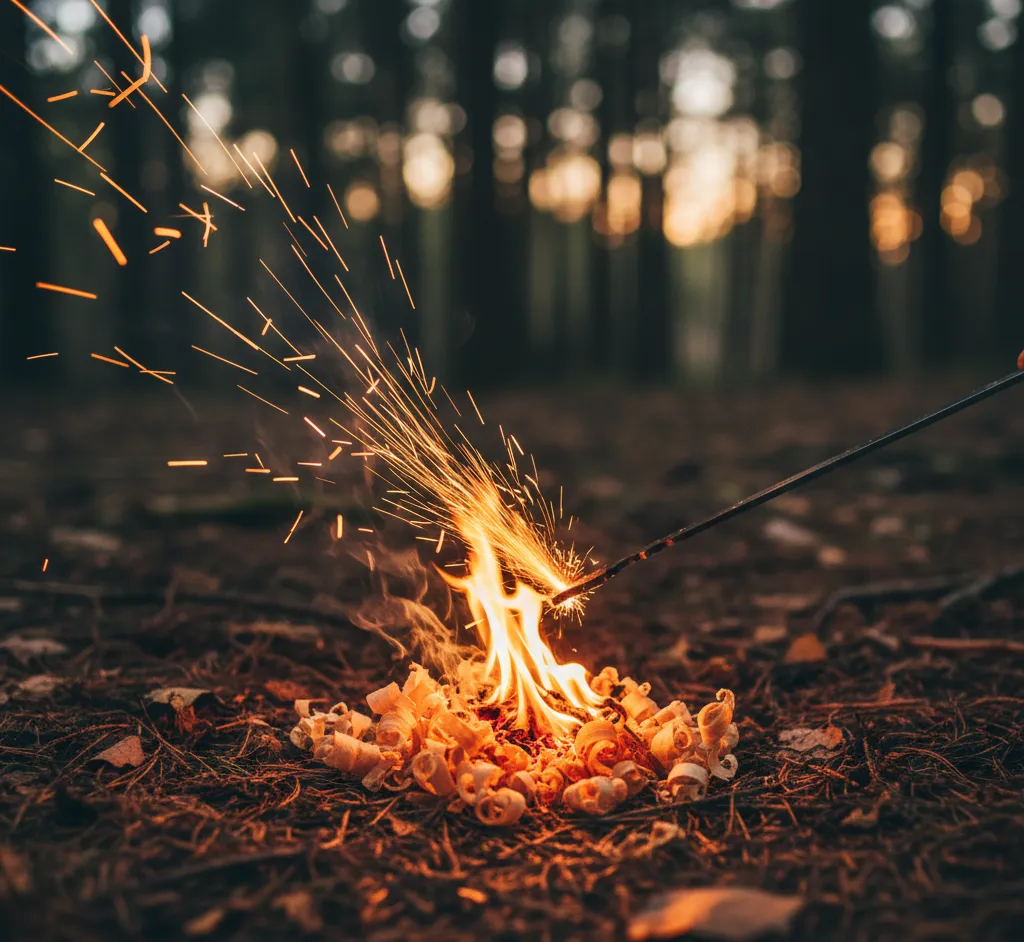
Fire-Starting Techniques That Actually Work in UK Weather
Proven fire-starting methods for wet UK conditions — ferro rods, fire steel, natural tinders, and techniques that work when everything's damp.
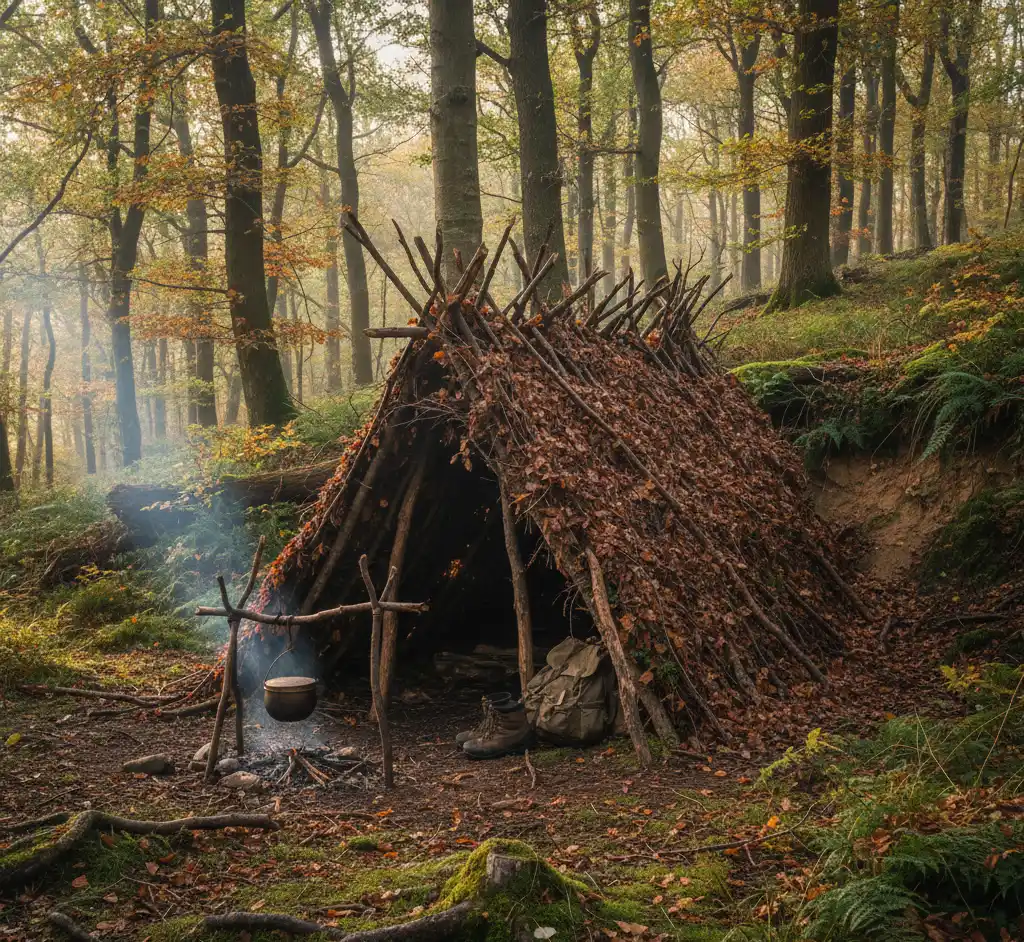
Shelter Building Basics — A Practical Guide for UK Woodland
How to build emergency and practice shelters in UK woodland — lean-tos, A-frames, and debris shelters using natural materials.
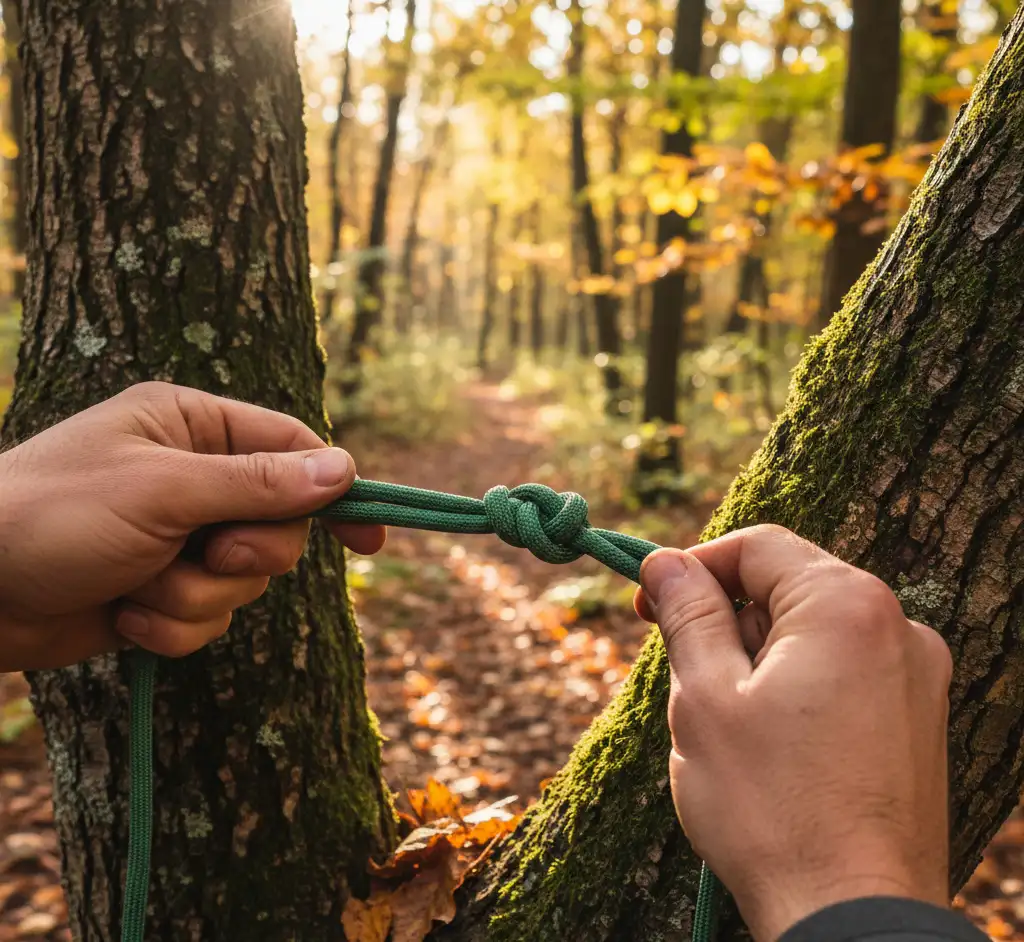
5 Essential Knots Every Camper Should Know in the UK
Learn the five knots that cover 90% of camping and bushcraft situations — bowline, clove hitch, taut-line, trucker's hitch, and figure-eight.
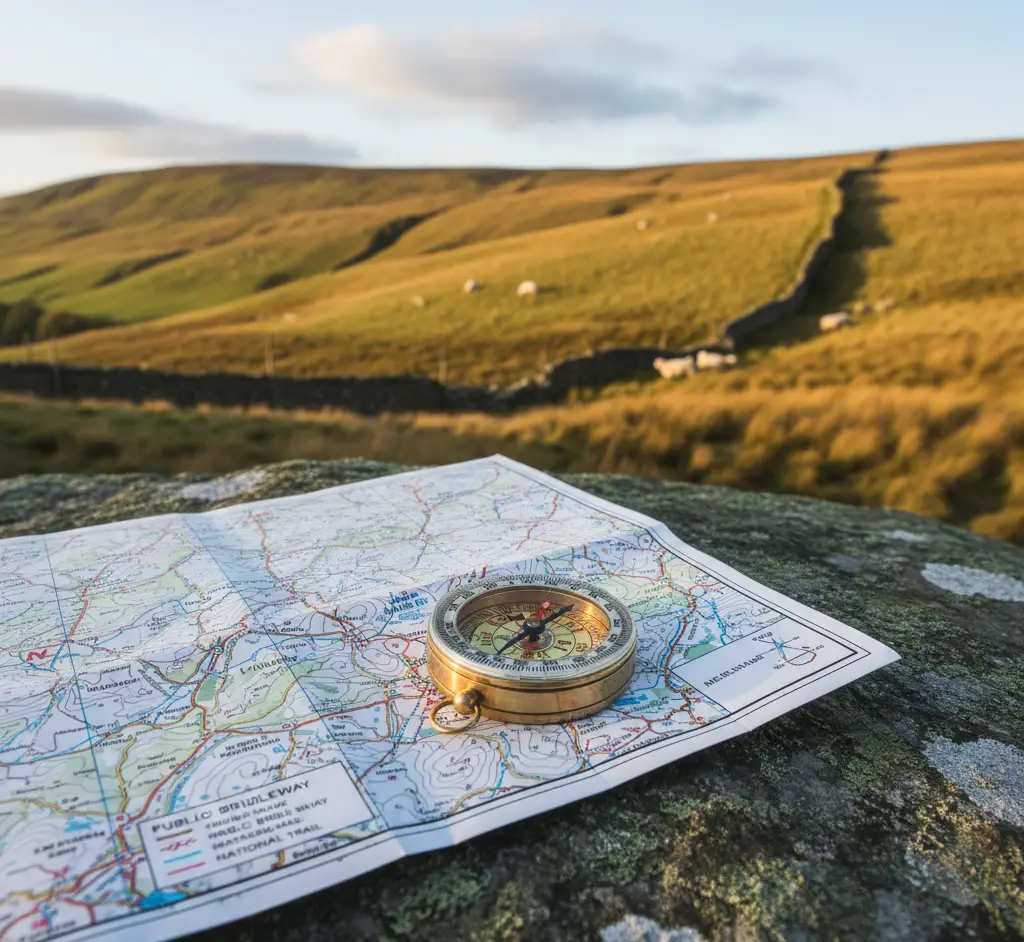
Navigation Without GPS: Map, Compass & Natural Navigation
How to navigate with a map, compass, and natural signs when GPS fails — essential skills for UK hill walking and bushcraft.