This page contains affiliate links. If you purchase through them we may earn a small commission at no extra cost to you. Learn more
Water Purification Methods for UK Outdoor Survival
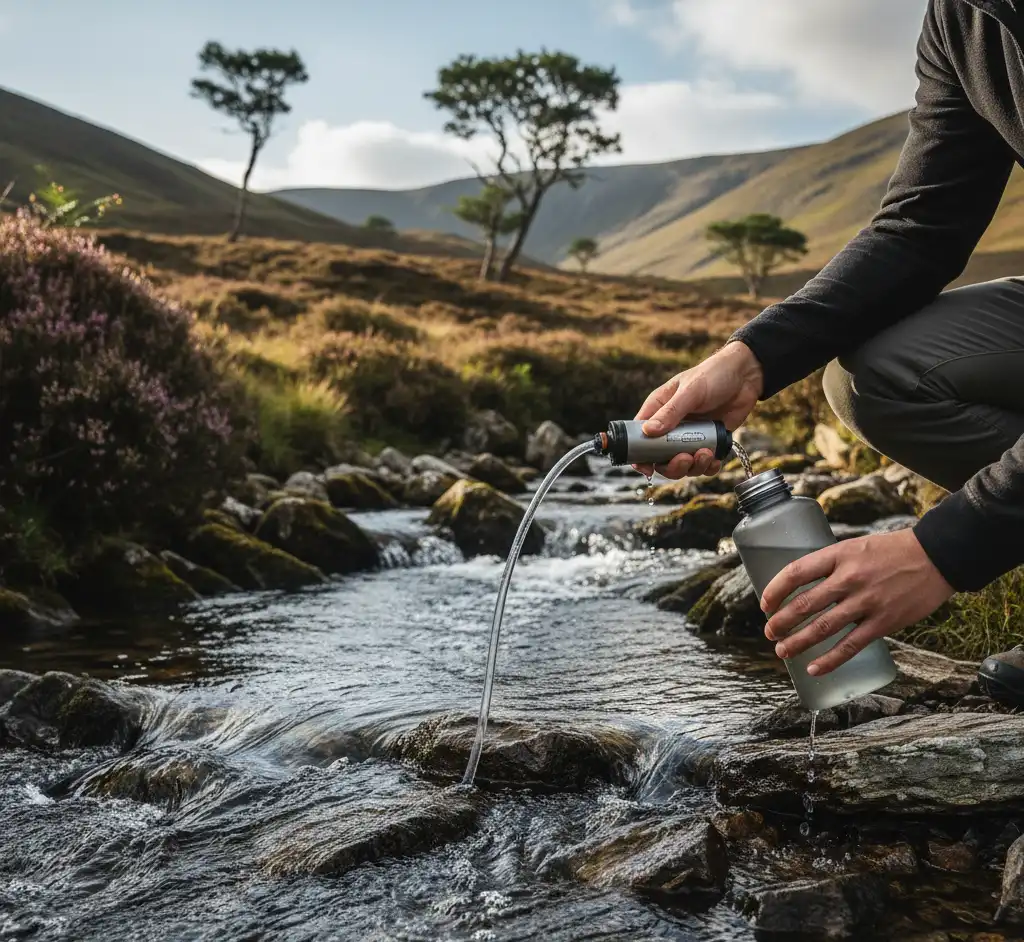
Water Purification Methods for the Outdoors
The UK has plenty of water. It falls from the sky with impressive regularity, runs through every valley, and pools in every hollow. The problem isn't finding it — it's making it safe to drink. Even crystal-clear mountain streams can carry nasties that'll have you curled up in your sleeping bag regretting every decision that led you here.
Why You Need to Purify
UK water sources can contain:
- Cryptosporidium — from livestock faeces, causes severe diarrhoea
- Giardia — another parasitic protozoan, similar symptoms
- E. coli and other bacteria — from animal and occasionally human waste
- Leptospirosis — from rat urine, can be serious
- Chemical run-off — pesticides and fertilisers from agricultural land
Even high mountain streams aren't guaranteed safe. Sheep graze on most UK hills, and a dead sheep upstream that you can't see will contaminate otherwise pristine-looking water.
The golden rule: if you didn't purify it, don't drink it.
Finding Water Sources
Best Sources (Least Risk)
- Rainwater collected directly — the purest natural water source
- Springs emerging from rock — filtered through ground but still purify it
- Fast-flowing mountain streams above the livestock line — lower risk but not zero
Acceptable Sources
- Rivers and streams in rural areas — higher contamination risk from livestock
- Lakes and tarns — standing water has more bacterial growth
Avoid If Possible
- Water downstream of farmland or settlements — high contamination risk
- Stagnant pools — bacterial soup
- Water near old mines — heavy metal contamination (common in Wales and Cornwall)
- Urban streams and rivers — pollution from roads, industry, and sewage overflows
Collect water from where it's moving fastest — the head of a stream, a waterfall, or rapids. Moving water has more dissolved oxygen and supports less bacterial growth than still pools.
Method 1: Boiling
The gold standard. Boiling kills everything — bacteria, viruses, protozoa, the lot.
How to do it properly:
- Bring water to a rolling boil
- Maintain the boil for 1 minute (at UK altitudes, this is sufficient — the 3-minute rule applies above 2,000 metres, which you won't hit in the UK)
- Let it cool before drinking
Pros:
- Kills everything biological
- No special equipment beyond a metal container and fire/stove
- No chemicals or filters to run out
Cons:
- Uses fuel
- Takes time (heating + cooling)
- Doesn't remove chemical contamination or particulates
- Need a fire or stove
Best for: Base camp, when you have time and fuel. It's the most reliable method and should be your default when possible.
Method 2: Water Filters
Modern water filters are incredibly effective and increasingly popular with UK hill walkers and wild campers.
Pump Filters
Traditional style — you pump water through a ceramic or hollow-fibre filter. Effective but slower and heavier.
Squeeze Filters
Lightweight bags you fill with water and squeeze through a filter cartridge (Sawyer Squeeze is the classic). Fast, light, and effective.
Gravity Filters
Hang a bag of dirty water above a bag for clean water. Gravity does the work — good for groups at camp.
Straw Filters
Drink directly from the source through a filter straw. Light and simple but limited to drinking on the spot.
What filters remove:
- Bacteria — yes (most filters to 0.2 micron)
- Protozoa (Crypto, Giardia) — yes
- Viruses — most standard filters do NOT remove viruses. You need a purifier (0.02 micron) for this
- Chemicals — no (some activated carbon elements reduce taste/chemical issues)
UK-specific note: Viruses in UK water are very rare compared to bacteria and protozoa. A standard 0.2-micron filter is generally considered sufficient for UK conditions. If you want belt-and-braces protection, use a filter plus chemical treatment.
Typical prices: £20–£40 for a squeeze filter, £30–£60 for a pump filter
Best for: Day-to-day water treatment on the move. Fast, no fuel required, and effective against the main UK threats.
Method 3: Chemical Treatment
Chlorine Dioxide Tablets
Tablets like Aquatabs or Oasis drops use chlorine dioxide to kill pathogens.
How to use:
- Fill your water bottle
- Add the correct number of tablets
- Wait 30 minutes (some products require longer for Cryptosporidium — check the packet)
- Drink
Pros:
- Ultra-lightweight — a strip of tablets weighs almost nothing
- Cheap (a few pounds for dozens of treatments)
- Easy to use
- Kills bacteria and viruses
- Long shelf life
Cons:
- Waiting time (30–120 minutes depending on product and target pathogens)
- Slight chemical taste
- Less effective against Cryptosporidium unless you wait the full contact time
- Doesn't remove particulates — pre-filter cloudy water through a bandana
Iodine
Older method, less commonly recommended now. Some people are sensitive to iodine, and it's not suitable for pregnant women or those with thyroid conditions. Chlorine dioxide is generally preferred.
Best for: Emergency backup. A strip of tablets takes up zero space and weighs nothing. Carry them even if your primary method is a filter.
Method 4: UV Treatment
UV light devices (like the SteriPEN) scramble the DNA of pathogens, rendering them harmless.
How to use:
- Fill a clear bottle with water (pre-filter if cloudy — UV can't penetrate murky water)
- Insert the UV device and stir for 60–90 seconds
- Drink
Pros:
- Fast — about 90 seconds
- No chemical taste
- Effective against bacteria, viruses, and protozoa
- Reusable
Cons:
- Needs batteries or charging
- Doesn't work in cloudy water
- If the device breaks, you have no backup
- More expensive than other methods (£50–£80)
Best for: Those who want fast treatment without chemical taste and are disciplined about keeping the device charged.
The Belt-and-Braces Approach
Carry two methods. The most practical combination for UK conditions:
- Primary: Squeeze filter (fast, reliable, no consumables to run out)
- Backup: Chlorine dioxide tablets (weightless, works if your filter breaks)
If you have a fire or stove, boiling is always available as a third option.
Collecting and Storing Water
- Use clean containers — don't contaminate purified water with a dirty bottle
- If using chemical treatment, rinse the bottle threads with treated water (bacteria lurk in the threads)
- In camp, designate separate containers for treated and untreated water
- Never store treated water in direct sunlight for extended periods (some chemical treatments break down in UV light)
- Carry enough capacity — 2 litres minimum, more in hot weather or on strenuous routes
Dehydration impairs judgement, coordination, and body temperature regulation — all things you need working properly in the outdoors. Don't ration water. Drink regularly, purify as needed, and always know where your next water source is.
A Note on "Wild Swimming"
Just because you can drink purified stream water doesn't mean you should swim in dodgy water. Leptospirosis can enter through cuts and mucous membranes. If you're wild swimming, choose clean, flowing water and cover any open wounds.
Emergency Situations
If you have absolutely no purification method:
- Collect rainwater directly — it's safe to drink without treatment
- Look for springs emerging from rock
- As a last resort, water from fast-flowing mountain streams above the livestock line is lower risk than other sources — but it's still a risk
- Dehydration will kill you faster than most waterborne pathogens. In a genuine emergency, drinking unpurified water may be the lesser evil — but expect to feel rough for a few days afterwards
Recommended Water Purification Kit
Carry at least two methods. Here are the best options for UK conditions.
Sawyer Mini Water Filter
Amazon UK0.1 micron hollow fibre
0.5L per minute
56g
Pros
- +Filters bacteria, protozoa, and microplastics
- +Weighs practically nothing
- +Filters up to 378,000 litres
Cons
- −Slower flow rate than the full-size Sawyer Squeeze
- −Can freeze and crack in winter
The lightest reliable water filter available. Perfect for day walks and emergency kits.
View dealAffiliate link — we may earn a small commission at no extra cost to you
LifeStraw Personal Water Filter
Amazon UK0.2 micron hollow fibre
4,000 litres
57g
Pros
- +Drink directly from streams
- +No pumping or squeezing needed
- +Long lifespan
Cons
- −Can only drink on the spot — no storage
- −Cannot filter into a bottle
Dead simple straw filter for drinking directly from water sources. Great as a backup or for day walks.
View dealAffiliate link — we may earn a small commission at no extra cost to you
Oasis Water Purification Tablets (50 pack)
Amazon UKSodium dichloroisocyanurate
30 minutes
50
Pros
- +Weighs almost nothing
- +50 treatments for under six quid
- +Kills bacteria and viruses
Cons
- −30-minute wait time
- −Slight chlorine taste
- −Less effective against Crypto without extended contact
The ultimate backup purification method. Weighs nothing, costs nothing, works reliably.
View dealAffiliate link — we may earn a small commission at no extra cost to you
Don't let it get to that point. Carry purification with you. Always.
Ready to gear up?
Use our kit builder to get a complete packout list tailored to your trip type, terrain, and budget — with prices and buy links.
Related reading
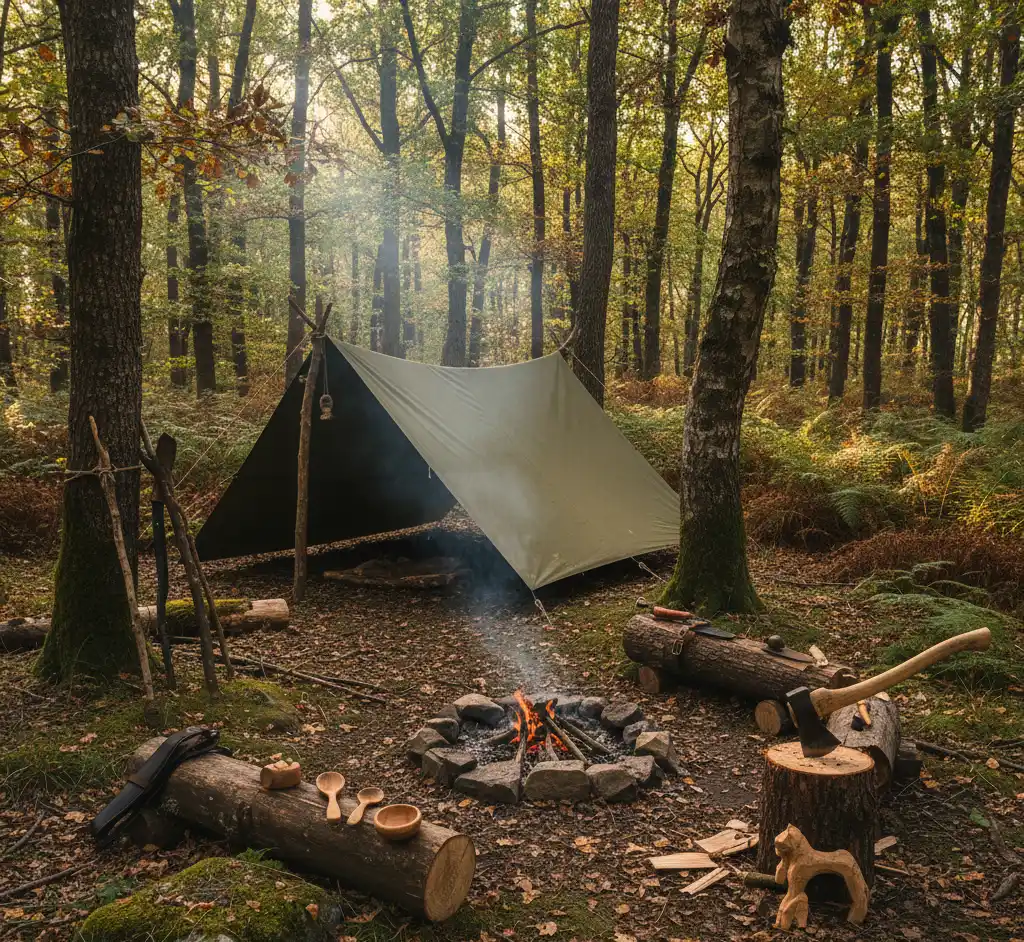
Bushcraft & Survival Skills: The Complete UK Guide
A practical guide to bushcraft and survival skills for UK conditions — from fire-starting and shelter-building to navigation and wild food.
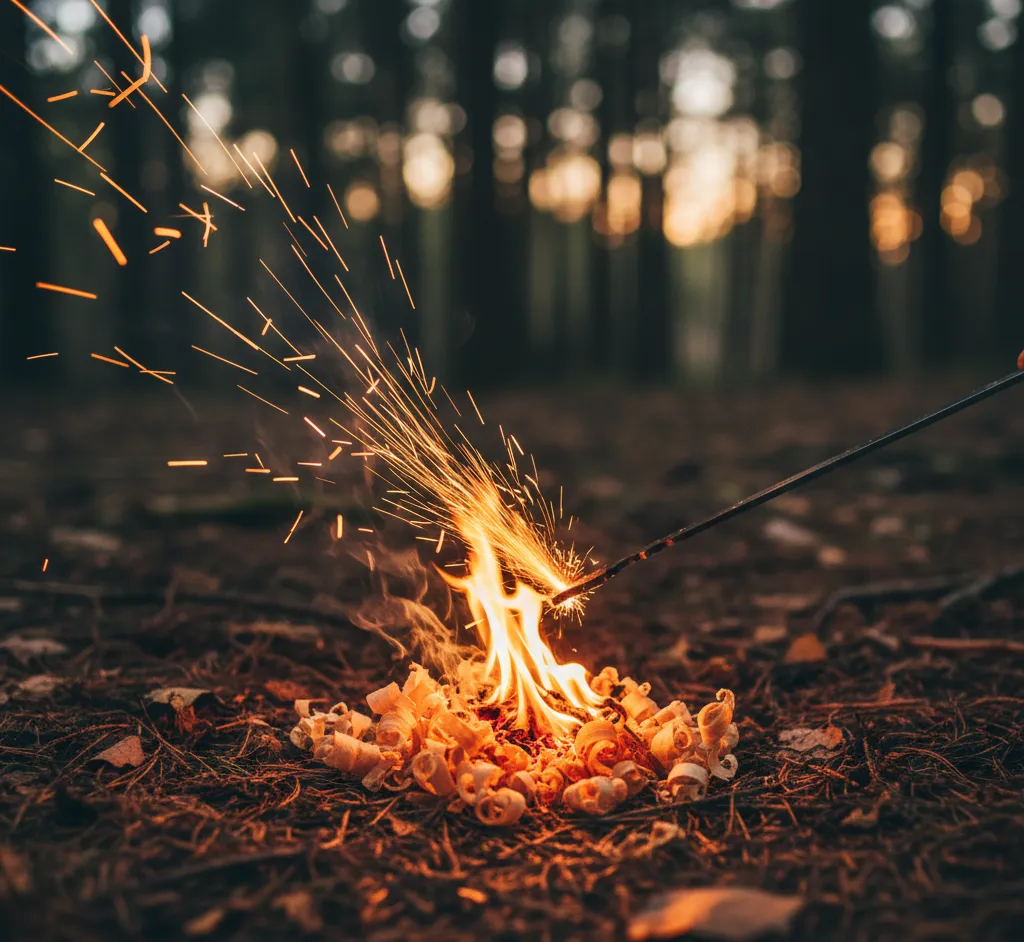
Fire-Starting Techniques That Actually Work in UK Weather
Proven fire-starting methods for wet UK conditions — ferro rods, fire steel, natural tinders, and techniques that work when everything's damp.
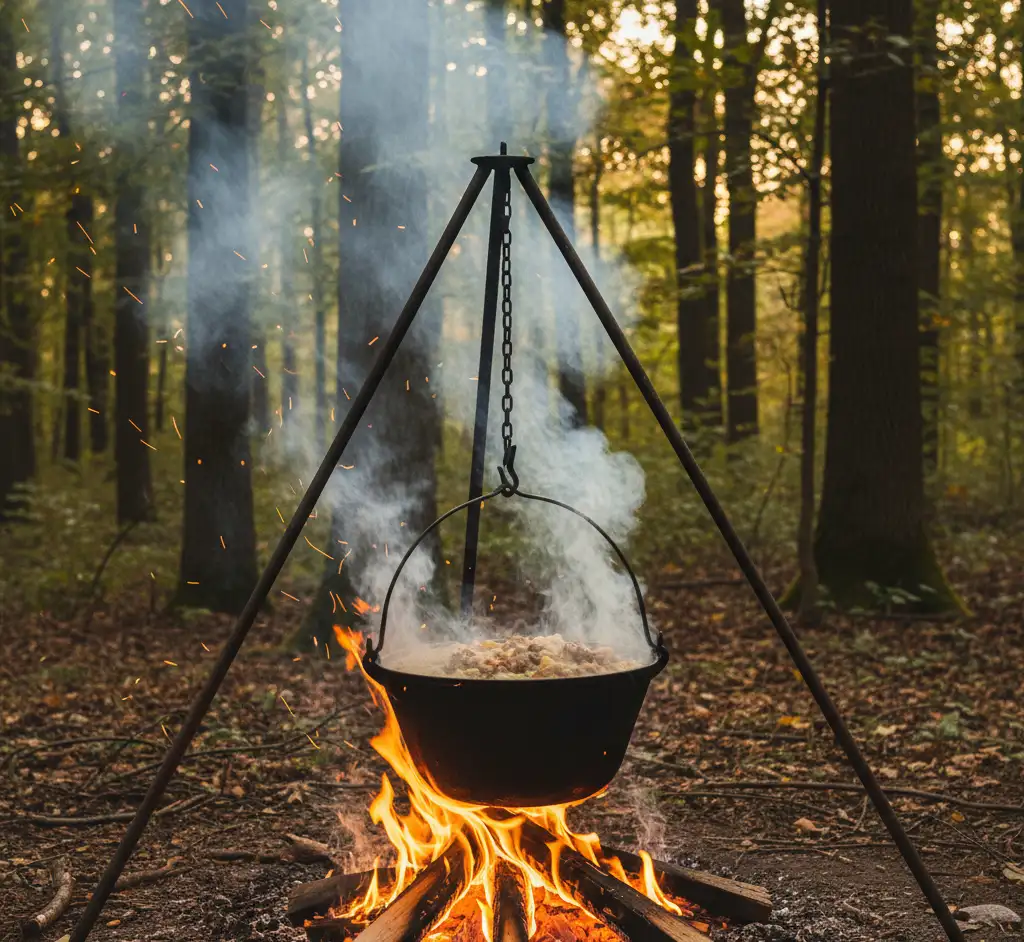
Campfire Cooking: A Practical Guide for UK Outdoors
How to cook over a campfire — pot hanging, foil wrapping, ember cooking, basic recipes, and fire safety for UK outdoor cooking.

UK Wildlife Awareness Guide for Outdoor Enthusiasts
UK wildlife encounters you need to know about — adders, ticks, Lyme disease, cattle, deer, and how to stay safe outdoors.