This page contains affiliate links. If you purchase through them we may earn a small commission at no extra cost to you. Learn more
Leave No Trace: 7 Principles for UK Outdoor Enthusiasts
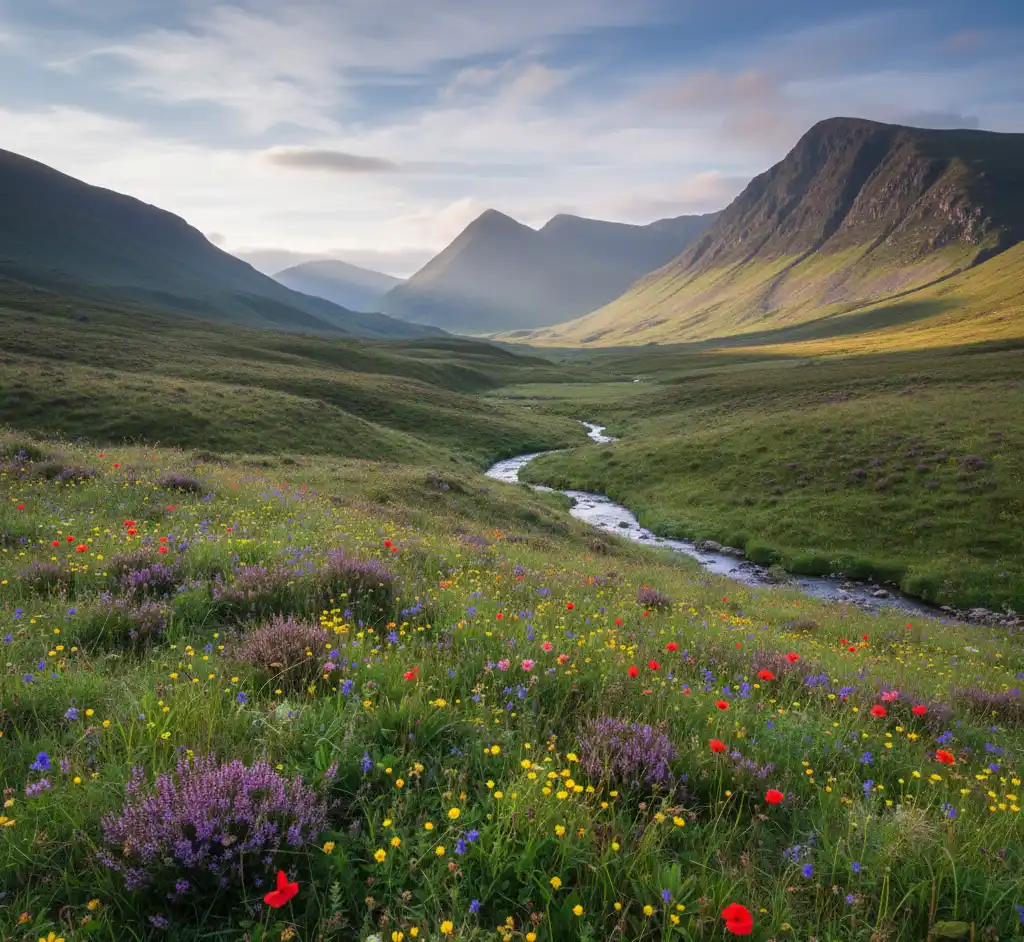
Leave No Trace: 7 Principles for UK Outdoors
Leave No Trace isn't just a nice idea — it's the reason we still have wild places to enjoy. The UK's countryside is under massive pressure from millions of visitors every year. If everyone left a little bit of litter, lit a careless fire, or trampled a new path, our wild places would be wrecked within a generation.
These seven principles aren't rules imposed from above. They're common-sense practices that keep the outdoors beautiful for everyone — including you, next time you visit.
1. Plan Ahead and Prepare
Good planning prevents most Leave No Trace problems before they start.
- Know the regulations for your area — fire restrictions, camping permissions, seasonal wildlife sensitivities
- Check the weather — being prepared means you won't need to make desperate decisions that damage the environment
- Carry the right kit — a stove means you don't need a fire; a trowel means you can bury waste properly
- Know your group's abilities — overambitious plans lead to shortcuts that damage the land
- Repackage food to reduce waste — remove excess packaging at home, not in the field
The best Leave No Trace decision is often made at home. Bringing a stove instead of relying on fire, repackaging food to eliminate waste, and choosing a route that avoids sensitive areas — all planned before you leave the house.
2. Travel on Durable Surfaces
Erosion is one of the biggest environmental problems in UK uplands. Every new shortcut, every widened path, every boggy section that walkers spread around adds up.
- Stay on established paths — especially in popular areas. Path erosion is a serious problem on busy mountains like Snowdon, Ben Nevis, and Helvellyn
- Walk through mud, not around it — walking around boggy sections widens the path. Gaiters and waterproof boots exist for a reason
- In pathless terrain, spread out rather than walking single file — this distributes impact rather than creating a new trail
- Camp on durable surfaces — existing pitches, rock, dry grass. Avoid fragile vegetation, moss, and wet ground that scars easily
- Avoid cutting switchbacks — zig-zag paths are designed to reduce erosion. Cutting straight up causes water channelling and severe erosion
3. Dispose of Waste Properly
Pack it in, pack it out. Everything.
Litter
- Carry all litter out — food wrappers, banana skins (they take years to decompose), orange peel, cigarette butts
- If you see litter left by others, pick it up. It takes five seconds and makes a difference
- Carry a small bag specifically for rubbish
Human Waste
- Use official facilities where available
- In remote areas: dig a cat hole 15–20 cm deep, at least 30 metres from any water source, path, or campsite
- Pack out toilet paper in a sealed bag (or use natural alternatives: smooth stones, leaves)
- In sensitive mountain environments, consider a WAG bag (carry-out system)
Wash Water
- Wash yourself and your dishes at least 30 metres from any water source
- Use biodegradable soap sparingly — or none at all
- Strain food waste from wash water and pack it out
- Scatter strained wash water widely over vegetation
"Biodegradable" doesn't mean "harmless in water." Biodegradable soap breaks down in soil, not in streams and lakes. Always wash at least 30 metres from any water source and scatter the water over land, not into waterways.
4. Leave What You Find
- Don't pick wildflowers — many are protected by law (the Wildlife and Countryside Act 1981) and removing them prevents them from seeding
- Don't disturb historical or archaeological features — the UK countryside is full of ancient sites. Leave them for others to discover
- Don't build permanent structures — if you build a practice shelter, dismantle it and scatter the materials
- Don't carve trees or rocks — it damages living organisms and ruins the experience for others
- Take photos, leave footprints (and even the footprints should be minimal)
Foraging is a grey area. Taking small amounts of fruit, nuts, and mushrooms for personal use is generally acceptable (and legal under the Wildlife and Countryside Act), but don't strip a bush bare or dig up plants.
5. Minimise Campfire Impact
Fires are one of the highest-impact activities in the outdoors. They scar ground, kill vegetation, and can start wildfires that devastate landscapes.
- Use a stove for cooking when possible — it's faster, cleaner, and has zero ground impact
- Only light fires where permitted — many UK sites restrict or ban open fires
- Use existing fire rings if available — don't create new ones
- Keep fires small — you need embers for cooking, not a bonfire
- Burn wood down to ash — partially burned logs and charcoal are ugly and persistent
- Use dead wood from the ground — never cut living trees
- Scatter cold ashes and replace any turf you removed
- In dry conditions, don't light fires at all — wildfires on UK moorland are devastating and increasingly common
See our campfire cooking guide for detailed advice on responsible fire use.
6. Respect Wildlife
- Observe from a distance — don't approach, follow, or feed wild animals
- Don't feed wildlife — it changes their behaviour and makes them dependent on human food
- Keep dogs under control — especially around ground-nesting birds (March–July), livestock, and deer
- Avoid sensitive areas during nesting season — many upland birds nest on the ground and are easily disturbed
- Store food properly — in areas with foxes, crows, or (increasingly) pine martens, leaving food out attracts them and changes their behaviour
- Give cattle and sheep space — especially during lambing (spring) and calving seasons
See our wildlife awareness guide for more on coexisting with UK wildlife.
7. Be Considerate of Other Visitors
- Keep noise down — especially at camp. Sound carries incredibly far in quiet, wild places
- Yield the trail — step aside for those going uphill. Give way to horse riders
- Camp out of sight — from paths, roads, and other campers where possible
- Leave gates as you find them — open or closed, there's usually a reason
- Be friendly — a simple "hello" on the trail costs nothing and creates a positive outdoor culture
- Respect the solitude — if someone's camped in a quiet spot, don't pitch right next to them
Why It Matters in the UK
The UK is a small, densely populated island. Our wild places are under enormous pressure:
- The Lake District received over 19 million visitor days per year pre-pandemic
- Snowdon sees over 600,000 summit attempts annually
- Wild camping in Scotland increased dramatically post-lockdown, bringing litter and fire problems to previously clean areas
- Erosion on popular mountain paths costs millions to repair
Every person who follows Leave No Trace principles makes a measurable difference. And every person who doesn't makes the problem worse.
The Simple Test
Before you leave any outdoor spot, ask yourself:
Could the next person tell I was here?
If the answer is yes, you've got more work to do. If the answer is no — you've nailed it.
Kit That Helps You Leave No Trace
A few lightweight, cheap items make Leave No Trace much easier to practise properly.
Coghlan's Backpacker Trowel
Amazon UKABS plastic
20cm
60g
Pros
- +Digs cat holes quickly in most UK soils
- +Lightweight and compact
- +Depth markers on blade
Cons
- −Plastic — struggles in very rocky ground
A cheap, lightweight way to bury waste properly. The depth markers ensure your cat hole is deep enough.
View dealAffiliate link — we may earn a small commission at no extra cost to you
Sea to Summit Trash Dry Sack (10L)
Amazon UK10L
30D nylon with roll-top
36g
Pros
- +Waterproof — no leaks or smells
- +Roll-top seal keeps odours contained
- +Visible colour so you don't forget it
Cons
- −Overkill if you only carry a small amount of rubbish
A proper waterproof rubbish bag. Keeps waste contained, odour-free, and separate from your clean kit.
View dealAffiliate link — we may earn a small commission at no extra cost to you
Leave No Trace isn't about being perfect. It's about being thoughtful. Take your litter, respect the land, and leave wild places wild. It's the most important outdoor skill there is.
Ready to gear up?
Use our kit builder to get a complete packout list tailored to your trip type, terrain, and budget — with prices and buy links.
Related reading
Bushcraft & Survival Skills: The Complete UK Guide
A practical guide to bushcraft and survival skills for UK conditions — from fire-starting and shelter-building to navigation and wild food.
Campfire Cooking: A Practical Guide for UK Outdoors
How to cook over a campfire — pot hanging, foil wrapping, ember cooking, basic recipes, and fire safety for UK outdoor cooking.
Shelter Building Basics — A Practical Guide for UK Woodland
How to build emergency and practice shelters in UK woodland — lean-tos, A-frames, and debris shelters using natural materials.
UK Wildlife Awareness Guide for Outdoor Enthusiasts
UK wildlife encounters you need to know about — adders, ticks, Lyme disease, cattle, deer, and how to stay safe outdoors.