This page contains affiliate links. If you purchase through them we may earn a small commission at no extra cost to you. Learn more
Best Bushcraft Courses in Scotland — Highlands & More
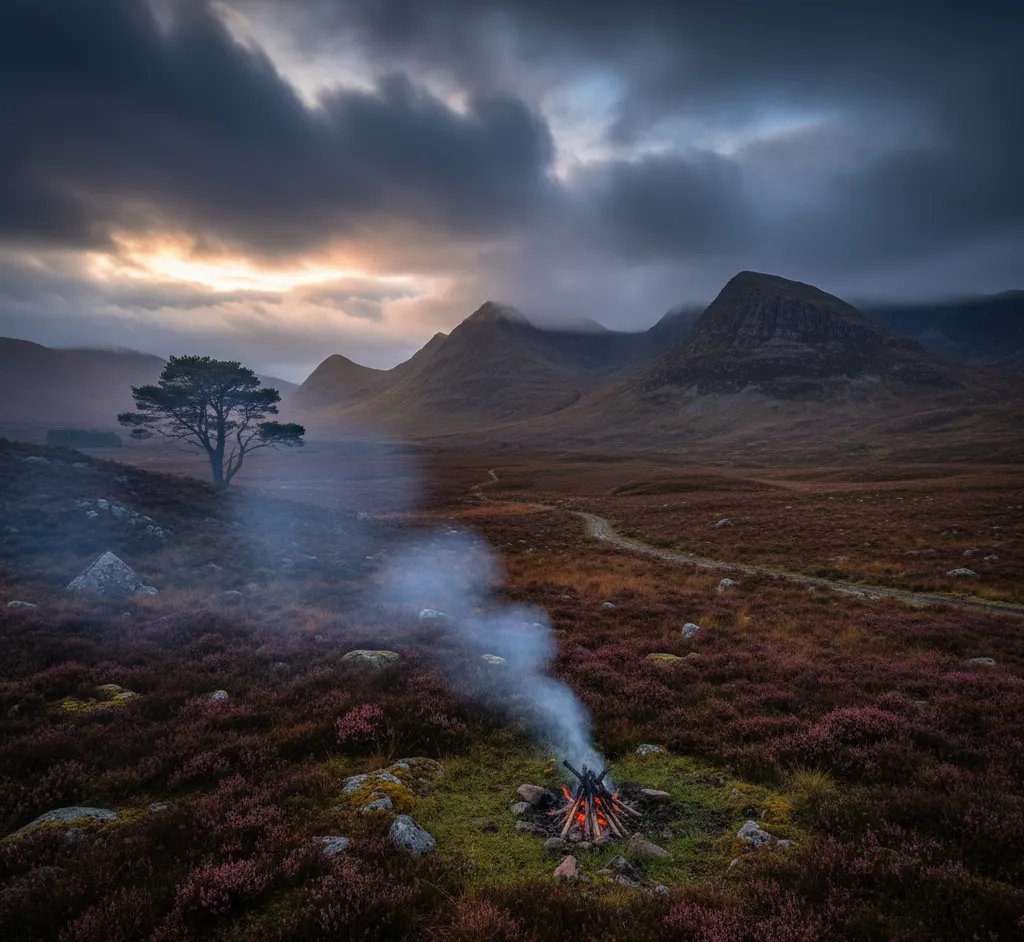
Best Bushcraft Courses in Scotland
Scotland is arguably the best place in the UK to learn bushcraft. The right to roam gives you unmatched access to wild land, the Highlands offer genuine wilderness, and the weather will test everything you've learned. If you want to learn bushcraft in conditions that actually challenge you, Scotland is the place.
What to Expect from a Scottish Bushcraft Course
Most courses cover a core set of skills:
- Fire-starting (ferro rod, natural tinders, fire management)
- Shelter building using natural materials
- Water sourcing and purification
- Navigation with map and compass
- Wild food identification and foraging basics
- Knife and tool use
- Knots and cordage
The key difference with Scotland is the terrain. You're not learning in a managed woodland in Surrey — you're in genuine Highland landscape, dealing with real exposure, unpredictable weather, and remote locations. The learning hits different when the nearest road is a 2-hour walk away.
Top Course Providers
Cairngorm Wilderness Experiences
Based in the Cairngorms National Park, offering courses in one of the most spectacular mountain environments in Britain. Their weekend survival courses take you into genuine remote terrain.
What they offer:
- Weekend wilderness survival courses
- Week-long expeditions
- Family bushcraft days
- Bespoke group courses
Typical prices: £150–£200 for a weekend, £400–£600 for a week
Best for: Intermediate to advanced learners who want a genuine wilderness challenge.
Backwoods Survival School
Operating across the Highlands, this school runs courses in ancient Caledonian pine forest and Highland glens. They're particularly strong on traditional skills — friction fire-lighting, hide preparation, and primitive trapping techniques.
What they offer:
- 2-day bushcraft fundamentals
- 5-day wilderness living courses
- Winter survival courses
- Tracking and awareness courses
Typical prices: £180–£250 for a weekend, £450–£700 for 5 days
Best for: Those interested in traditional and primitive skills.
Wilderness Scotland
More adventure travel than pure bushcraft, but their guided wilderness experiences include significant skills teaching. Good if you want bushcraft woven into a broader outdoor adventure.
What they offer:
- Guided wilderness camps
- Canoe and bushcraft combinations
- Family wilderness weekends
- Multi-day expeditions
Typical prices: £200–£500 depending on duration and type
Best for: Families and beginners who want a supported introduction.
Scottish Bushcraft
Dedicated bushcraft school operating in woodlands across central and southern Scotland. Good accessibility if you're based around Edinburgh, Glasgow, or the Central Belt.
What they offer:
- One-day taster courses
- Weekend immersions
- School and youth group sessions
- Corporate team-building events
Typical prices: £80–£120 for a day course, £180–£250 for a weekend
Best for: Beginners and those wanting a more accessible location.
What You'll Actually Learn
Day Course (Typical)
A typical one-day bushcraft course in Scotland covers:
- Fire-starting with ferro rod and natural tinders
- Building a simple shelter (lean-to or tarp setup)
- Water purification basics
- Knife safety and use
- A few essential knots
- Basic tree and plant identification
You'll light a fire, build something, and brew a cup of tea over your own flames. A good day out, and enough to get you started.
Weekend Course (Typical)
Over two days (usually with an overnight), expect:
- Everything from the day course, in more depth
- Sleeping in your own shelter or under a tarp
- Cooking over fire — proper meals, not just boiling water
- Navigation with map and compass
- Foraging and wild food identification
- More advanced fire techniques
- Night skills — working in darkness
The overnight element is crucial. It's one thing to build a shelter in daylight — it's another to actually sleep in it and discover whether it keeps you dry at 3 AM.
Week-Long Course
The full immersion. By day five you'll be:
- Comfortable living outdoors with minimal kit
- Confident with fire in any conditions
- Able to navigate cross-country
- Familiar with edible and medicinal plants
- Competent with basic tool craft
- Genuinely changed in how you see the landscape
Week-long courses are where the real transformation happens. The extended time lets skills sink in properly.
If you can only do one course, do a weekend with an overnight. The experience of sleeping in something you built, in a location you navigated to, cooking food over a fire you started — that's what turns knowledge into genuine skill.
Scotland's Right to Roam
Scotland's Land Reform (Scotland) Act 2003 gives you the right to access most land for recreational purposes, including wild camping. This makes Scotland uniquely excellent for bushcraft practice after your course.
However, the right to roam comes with responsibilities:
- Camp away from buildings and roads
- Don't camp in the same spot for more than 2–3 nights
- Leave no trace of your visit
- Don't light fires in dry conditions or where they could damage the land
- Respect wildlife and livestock
This access means you can legitimately practise your new skills across huge swathes of Highland landscape — something that's much harder in England and Wales.
What to Bring
Most courses provide specialist equipment, but you'll typically need:
- Clothing: Waterproofs, warm layers, sturdy boots, hat, gloves
- Sleeping: Sleeping bag and mat (some courses provide these — check)
- Personal: Water bottle, mug, bowl, spoon
- Knife: A fixed-blade knife if you have one (most courses provide them)
The golden rule: Dress for the worst weather, hope for the best. Scottish weather can change dramatically in hours.
Scottish midges are brutal from June to September. Bring a midge head net and strong repellent (those containing DEET or Smidge-brand picaridin). They can genuinely ruin an outdoor experience if you're unprepared.
Choosing the Right Course
Complete beginner? Start with a day course or accessible weekend. Don't jump straight into a week in the Highlands if you've never slept outdoors.
Some experience? A weekend course will fill gaps in your knowledge and give you confidence.
Ready for a challenge? A week-long wilderness course in the Highlands is one of the best outdoor education experiences available in the UK.
Tight budget? Day courses at £80–£120 give you a solid foundation. Many schools offer seasonal discounts in autumn and winter.
Kit Worth Buying Before Your Course
Most courses provide specialist tools, but arriving with a good knife and ferro rod means you can keep practising after the course ends.
Mora Companion Heavy Duty
Amazon UK104mm carbon steel
101g
3.2mm
Pros
- +Thick spine works brilliantly with ferro rods
- +Comfortable grip even with cold hands
- +Incredible value
Cons
- −Carbon steel needs drying and oiling
The knife most bushcraft instructors recommend for beginners. Tough, sharp, and cheap enough that you won't baby it.
View dealAffiliate link — we may earn a small commission at no extra cost to you
Light My Fire Swedish FireSteel 2.0 Army
Amazon UK12,000+
3,000°C
50g
Pros
- +Works in Scottish rain
- +Lasts thousands of strikes
- +Emergency whistle included
Cons
- −Takes practice to throw consistent sparks
Your course will teach you to use one — owning your own means you can keep practising.
View dealAffiliate link — we may earn a small commission at no extra cost to you
Whatever level you're at, learning bushcraft in Scotland means learning in conditions that genuinely test you. The weather won't go easy on you, the terrain demands respect, and the skills you develop will stick because you earned them the hard way.
Ready to gear up?
Use our kit builder to get a complete packout list tailored to your trip type, terrain, and budget — with prices and buy links.
Related reading
Bushcraft & Survival Skills: The Complete UK Guide
A practical guide to bushcraft and survival skills for UK conditions — from fire-starting and shelter-building to navigation and wild food.
Bushcraft Courses in Northern England: Best Options
Top bushcraft and survival courses in the Lake District, Yorkshire, and Northumberland — what to expect, prices, and what you'll learn.
Fire-Starting Techniques That Actually Work in UK Weather
Proven fire-starting methods for wet UK conditions — ferro rods, fire steel, natural tinders, and techniques that work when everything's damp.
Best Legal Survival Knives for UK Bushcraft and Camping 2026
Best legal survival and bushcraft knives in the UK. UK knife law explained and the best fixed-blade and folding knives compared.