This page contains affiliate links. If you purchase through them we may earn a small commission at no extra cost to you. Learn more
Emergency Preparedness for UK Homes: Your Complete Guide
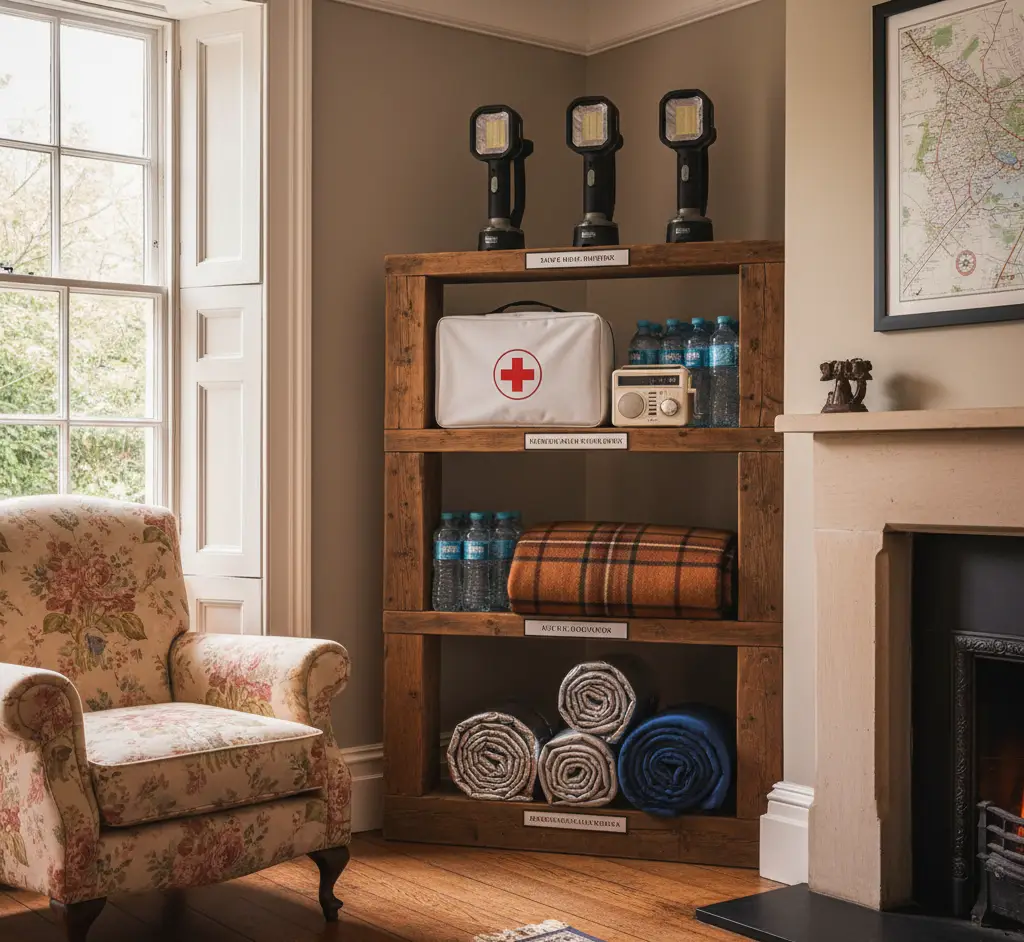
Quick Summary
- Most UK homes aren't prepared for even a 24-hour disruption — a basic kit and plan changes that
- Focus on the big five: floods, power cuts, storms, boiler failures, and water supply issues
- You don't need a bunker — just a weekend of planning and about £100 in supplies
Why Bother With Emergency Prep?
Look, most people don't think about this until it's too late. The lights go out, the boiler packs in during a cold snap, or the street starts flooding — and suddenly you're scrambling around in the dark looking for a torch that doesn't have batteries.
The UK isn't exactly tornado alley, but we get our fair share of emergencies. Storm Éowyn in early 2025 left thousands without power for days. The 2024 flooding across the Midlands displaced entire communities. And every single winter, boilers decide to give up the ghost on the coldest night of the year.
This isn't about becoming a doomsday prepper. It's about being the household that handles disruption calmly while everyone else is panicking on Facebook.
The Emergencies UK Homes Actually Face
Let's be honest about what we're preparing for. These are the realistic scenarios, not zombie apocalypses. The Cabinet Office's National Risk Register 2025 (published 16 January 2025) lays out the official UK threat picture — severe weather, flooding, power and water disruption, and pandemic risk all sit near the top, and the National Security Risk Assessment is now run as a continuous "dynamic process" rather than an annual snapshot.
Flooding
Around 5.2 million properties in England alone are at risk of flooding. Whether it's river flooding, surface water, or coastal surges, water damage is devastating and increasingly common. Our flood preparation guide covers this in detail.
Power Cuts
The average UK home experiences a power cut at least once a year. Most last a few hours, but severe weather can knock out supplies for days. When the power goes, you lose heating, lighting, cooking, fridge/freezer, phone charging, and Wi-Fi. Check our power cut preparation guide for the full rundown.
Severe Storms
Named storms are becoming more frequent and more intense. High winds damage roofs, bring down trees, and cause power cuts. Our storm preparation guide walks you through securing your property.
Extreme Cold and Snow
Frozen pipes, boiler breakdowns, and being snowed in are genuine risks in the UK. Read our winter readiness guide and our boiler failure emergency guide so you're not caught out.
Gas Leaks
Rare but potentially fatal. Everyone in your household should know what to do. Our gas leak guide covers the steps that could save your life.
Your Basic Home Emergency Kit
You don't need to spend a fortune. Here's what every UK home should have ready:
Lighting
- A decent torch per adult (head torches are brilliant — hands-free)
- Spare batteries (check them every six months)
- Battery-powered or solar lantern
- Candles and matches as backup (use safely — never leave unattended)
More detail in our emergency lighting guide.
Energizer Vision HD+ Head Torch
Amazon UK350
3x AAA
100g
IPX4
Pros
- +Bright enough for any power cut
- +Cheap AAA batteries
- +Red light mode preserves night vision
Cons
- −Not rechargeable
- −Slightly bulky
The head torch we recommend for every home emergency kit. Reliable, bright, and cheap to run.
View dealAffiliate link — we may earn a small commission at no extra cost to you
Power
- A power bank per person (at least 10,000mAh)
- Car phone charger if you have a vehicle
- Battery-powered or wind-up radio (DAB/FM)
See our phone charging during power cuts guide for more.
Anker PowerCore 20,000mAh Power Bank
Amazon UK20,000mAh
18W USB-C
340g
4-5x phone
Pros
- +Charges most phones 4-5 times
- +USB-C fast charging
- +Compact for the capacity
Cons
- −Takes 6+ hours to fully recharge
- −No wireless charging
The best value power bank for emergency prep. Enough juice to keep your phone going for days.
View dealAffiliate link — we may earn a small commission at no extra cost to you
Water
- At least 2 litres of stored water per person per day
- Water purification tablets as backup
- Know your water company's emergency number
Full details in our emergency water supply guide.
Food
- 72 hours of shelf-stable food that doesn't need cooking
- Tinned goods with a manual tin opener (not electric)
- Cereal bars, dried fruit, crackers, peanut butter
Our emergency food storage guide has the full shopping list.
First Aid
- A properly stocked first aid kit (not the one from 2014 with three plasters left)
- Any prescription medications — keep a week's supply ahead
- Basic pain relief, antihistamines, rehydration sachets
Documents
- Copies of insurance policies
- Emergency contact numbers written down (not just on your phone)
- Household utility account numbers
The grab bag approach
Eton Sidekick Hand Crank Emergency Radio
Amazon UKAM/FM/DAB
Hand crank + USB
Built-in LED
290g
Pros
- +Never needs batteries
- +Built-in torch and phone charger
- +Picks up emergency broadcasts
Cons
- −Sound quality is basic
- −Hand crank tiring for long use
When the power's out and Wi-Fi is dead, local radio is your lifeline. This one never runs out of battery.
View dealAffiliate link — we may earn a small commission at no extra cost to you
Making a Household Emergency Plan
Having kit is great, but having a plan is better. Sit down with your household and cover:
Communication
- How will you contact each other if mobile networks go down?
- Pick a meeting point if you're separated
- Share your plan with a neighbour or nearby family member
- Write down key phone numbers — don't rely solely on your phone's contacts
Key Numbers to Know
- 999 — Emergency services
- 105 — Power cut reporting (UK-wide)
- 0800 111 999 — National Gas Emergency Service
- Environment Agency Floodline — 0345 988 1188
- NHS 111 — Non-emergency medical advice
- Your water company's emergency line
- Your insurance company's claims line
Vulnerable Household Members
Think about anyone who might need extra help:
- Elderly family members or neighbours (see our elderly emergency preparedness guide)
- Young children
- People with mobility issues
- Pets (see our pet emergency preparedness guide)
- Anyone dependent on medical equipment
Know Your Switches
Every adult in the household should know how to:
- Turn off the gas at the meter
- Turn off the water at the stopcock
- Switch off the electricity at the consumer unit (fuse box)
- Locate and operate the boiler pressure valve
Common Mistakes People Make
Having worked through emergency prep with dozens of households, the same mistakes come up again and again:
Buying gear and never checking it. That torch you bought three years ago? The batteries have probably leaked. Set a twice-yearly reminder to test everything — when the clocks change is the easiest prompt.
Only preparing for one scenario. People in flood-risk areas focus on flooding but forget about power cuts. A good emergency kit covers multiple scenarios at once.
Not telling the household. Your beautifully packed grab bag is useless if nobody else knows where it is. Walk everyone through the plan, especially teenagers old enough to be home alone.
Forgetting about cash. When the power's out, card machines don't work. Keep £50 in small notes somewhere safe at home.
Ignoring insurance. Check your home insurance actually covers the emergencies most likely to affect you. Many standard policies have gaps. Our insurance guide explains what to look for.
Prep by Property Type
Not everyone has a garage full of space for supplies. Your approach depends on where you live:
- Houses with gardens — More space for storage, but more exterior to secure in storms
- Flats and apartments — Space-limited but you can still be prepared. See our flat and apartment emergency prep guide
- Rural properties — Risk of isolation but often more self-sufficient. Our rural vs urban emergencies guide breaks down the differences
Insurance: Worth It?
Home emergency cover is one of those things that feels like a waste of money until you need it. Standard home insurance often doesn't cover boiler breakdowns, burst pipes on your side of the stopcock, or pest infestations. Dedicated home emergency insurance can fill those gaps.
Read our home emergency insurance guide for a breakdown of what's actually worth paying for.
The 30-Minute Weekend Audit
Don't overthink this. Set a timer for 30 minutes and do the following:
- Check your torches — Do they work? Do you have batteries?
- Check your first aid kit — Is anything expired or missing?
- Check your stopcock — Can you turn it? Does everyone know where it is?
- Check your smoke alarms — Test them. Replace batteries if needed
- Check your insurance — Do you know what's covered?
- Write down key numbers — Stick them on the fridge
- Check your food supplies — Got 72 hours of shelf-stable food?
- Charge your power banks — Make it a monthly habit
Don't assume it won't happen to you
Building Up Over Time
You don't need to buy everything at once. Here's a sensible order:
Week 1: Torch, batteries, power bank, first aid kit — about £40 Week 2: 72-hour food supply, water storage — about £25 Week 3: Wind-up radio, candles, matches, document copies — about £20 Week 4: Household plan written up, numbers on the fridge, grab bag packed — free
For about £85 and four weekends, you're better prepared than 90% of UK households. That's not a guess — government surveys consistently show that most homes have no emergency plan whatsoever.
Where to Go From Here
This guide is your starting point. Dive into the specific guides that matter most for your situation:
- Flood preparation — if you're in a flood-risk area
- Power cut preparation — everyone needs this
- Storm preparation — especially if you're exposed or coastal
- Winter readiness — essential before October
- Emergency food storage — the cheapest prep you can do
- Emergency lighting — because fumbling in the dark is rubbish
Get the basics sorted. You'll sleep better knowing you've got it covered.
Ready to gear up?
Use our kit builder to get a complete packout list tailored to your trip type, terrain, and budget — with prices and buy links.
Related reading
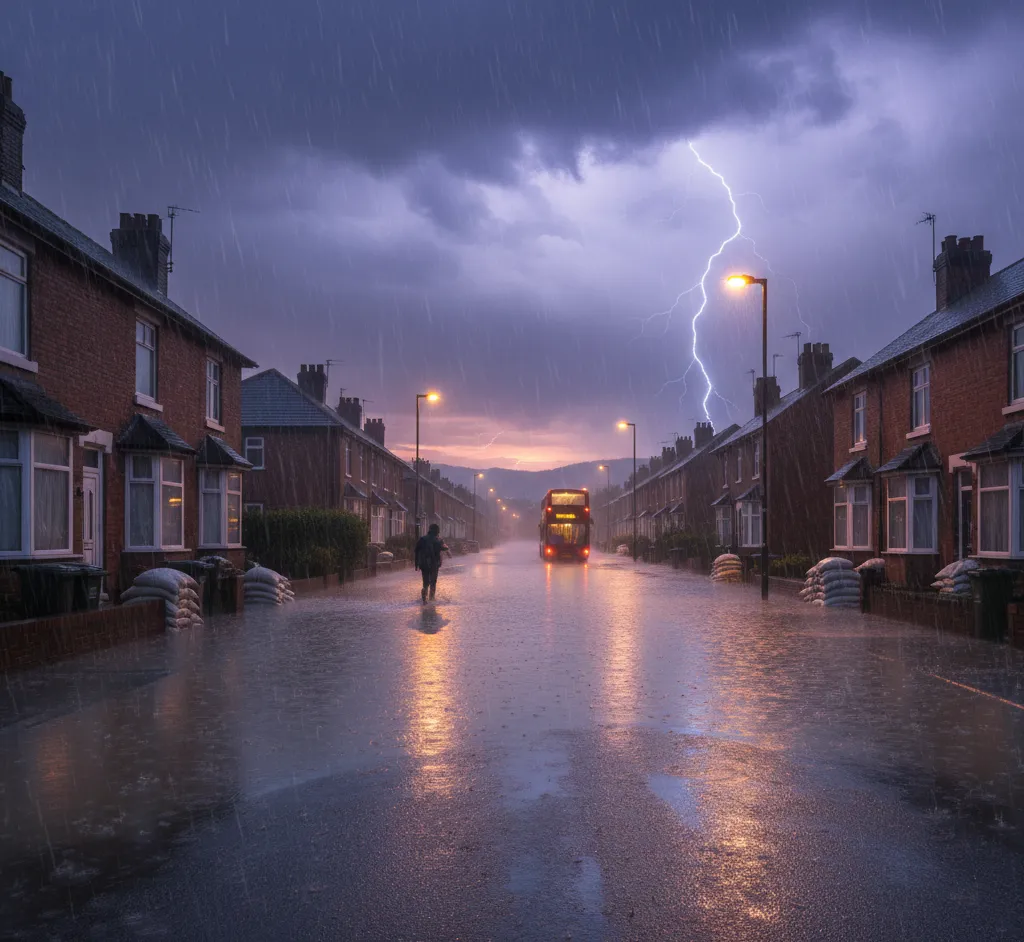
UK Flood Preparation: How to Protect Your Home in 2025
Practical flood preparation advice for UK homes including sandbags, flood barriers, insurance, and what to do before, during, and after a flood.

Power Cut Preparation for UK Homes: Full Checklist
How to prepare for power cuts in the UK — torches, batteries, food preservation, heating alternatives, and keeping your phone charged.
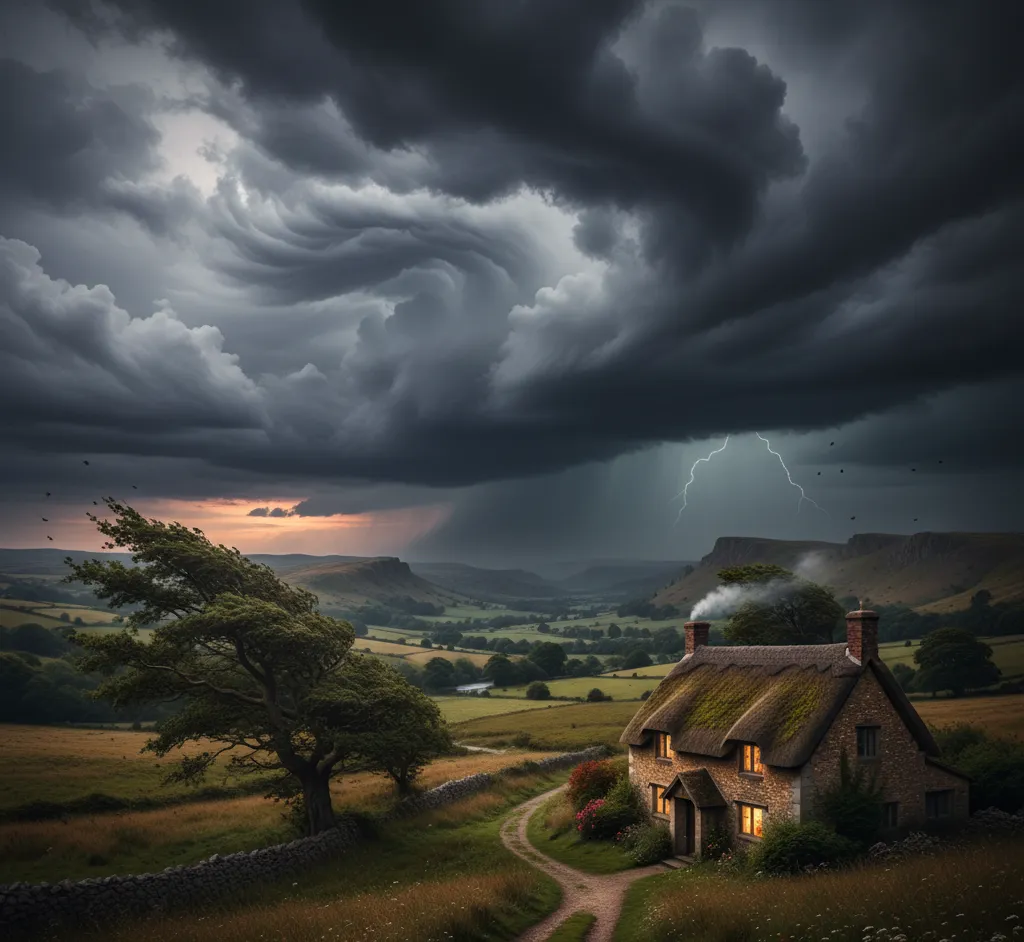
Storm Preparation for UK Homes: Before the Weather Hits
How to prepare your UK home for severe storms — securing your property, understanding Met Office warnings, and staying safe during high winds.
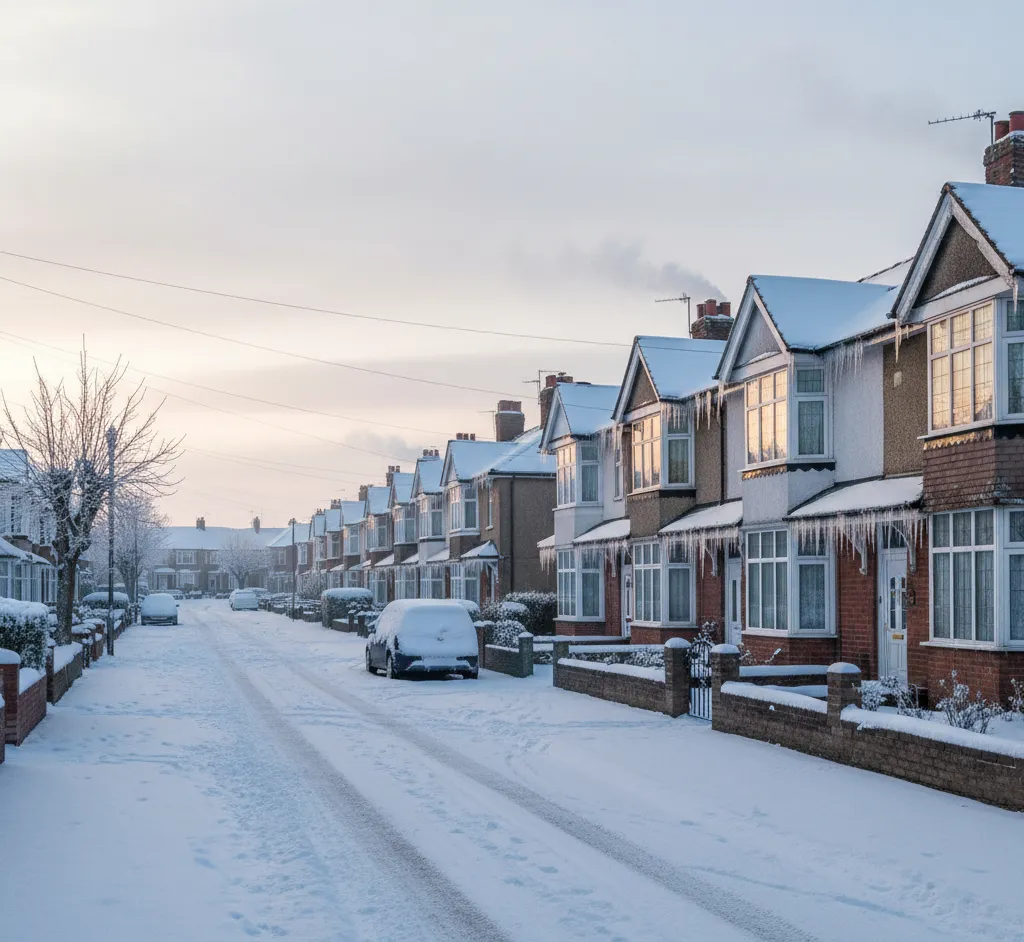
Winter Readiness for UK Homes: Seasonal Prep Guide
Prepare your UK home for winter — pipe lagging, boiler servicing, draught-proofing, de-icer supplies, and staying warm when it's freezing.