This page contains affiliate links. If you purchase through them we may earn a small commission at no extra cost to you. Learn more
Winter Readiness for UK Homes: Seasonal Prep Guide
Quick Summary
- Get your boiler serviced in September/October — engineers are booked solid by November
- Lag exposed pipes, especially in the loft and garage, to prevent freezing and bursting
- Stock up on de-icer, salt, and warm supplies before the first cold snap
Why Winter Preparation Matters
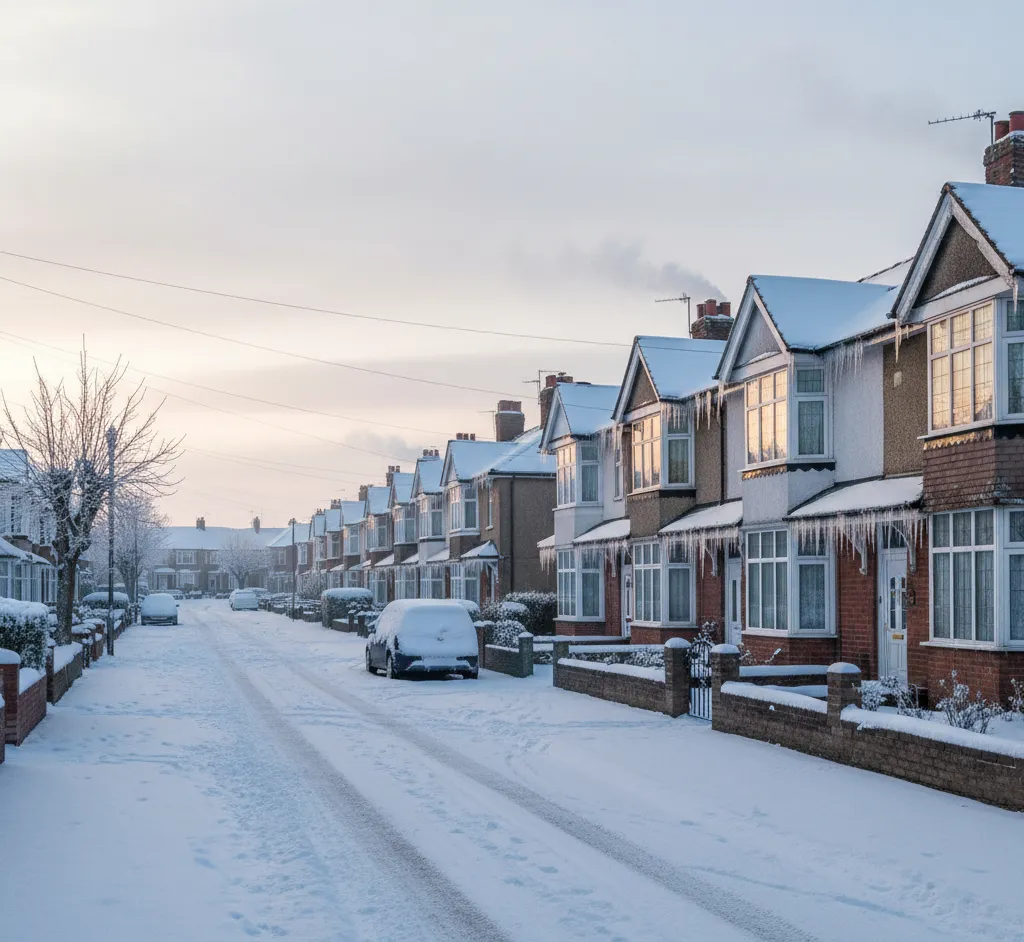
Every winter, the same story plays out across the UK. Temperatures drop, pipes burst, boilers break down, and people scramble for plumbers who are booked three weeks out. Roads ice over, people slip on paths, and energy bills spike because heat is escaping through every gap in the house.
Most of this is preventable with a bit of preparation in autumn. Here's what to do.
Boiler and Heating
Get Your Boiler Serviced
This is the single most important thing on this list. Book your annual boiler service for September or October. By November, every heating engineer in the country is dealing with breakdowns, and you'll wait weeks.
A service typically costs £60–£100 and covers:
- Safety checks (especially important for gas boilers — carbon monoxide risk)
- Efficiency checks
- Cleaning key components
- Identifying parts that might fail
If your boiler is over 10 years old, start budgeting for a replacement. They tend to die on the coldest night of the year, because that's when they're working hardest.
See our boiler failure emergency guide for what to do when it happens.
Bleed Your Radiators
If radiators have cold spots (usually at the top), they need bleeding. It takes 10 minutes with a radiator key:
- Turn your heating on and let radiators warm up
- Find radiators with cold patches at the top
- Turn the heating off and let the system cool slightly
- Place a cloth under the bleed valve and open it with the key
- Air will hiss out — close the valve when water starts to drip
- Check your boiler pressure afterwards and top up if needed
Check Your Thermostat and Timer
- Make sure your thermostat is working and accurately reading room temperature
- Set your timer to come on before you wake up
- If you're away, keep heating on low (at least 12°C) to prevent pipes freezing
The £20 thermostatic radiator valve upgrade
Pipes and Plumbing
Lag Your Pipes
Frozen pipes are one of the most common and expensive winter emergencies. When water freezes, it expands, and pipes burst. When they thaw, you get flooding.
Priority areas:
- Loft and roof space (unheated — most vulnerable)
- Garage and outbuildings
- External walls
- Under the ground floor if you have a suspended floor
Climaflex Pipe Insulation Foam (22mm x 1m, 10 pack)
Amazon UK22mm bore
1m per piece
10
9mm
Pros
- +Fits standard UK copper pipes
- +Pre-slit for easy fitting
- +Cheap enough to do the whole house
Cons
- −Need to measure pipe diameter first
- −Doesn't stick without tape at joins
At £12 for ten metres, there's zero excuse for unlagged pipes. Fit these on every exposed pipe in the loft and garage — it could save you thousands in burst pipe repairs.
View dealAffiliate link — we may earn a small commission at no extra cost to you
Know Your Stopcock
If a pipe bursts, you need to turn off the water immediately. Your stopcock is usually:
- Under the kitchen sink
- In a downstairs cupboard
- Near the front door at ground level
Make sure every adult in the house knows where it is and can turn it. If it's stiff, give it a gentle turn now so it's not seized when you need it.
Outside Taps
- Turn off the isolator valve for outside taps
- Open the outside tap to drain residual water
- Lag any exposed pipework to outside taps
Draughts and Insulation
Quick Draught-Proofing Wins
Heat loss through draughts wastes money and makes your home uncomfortable. These fixes take an afternoon:
- Letterbox draught excluder — A simple brush or flap fitting
- Door draught excluders — Brush strips or foam for the bottom of external doors
- Window seals — Self-adhesive foam strips for any gaps
- Chimney balloon — If you have an unused fireplace, block the chimney draught
- Keyhole covers — Small but they make a difference on exposed doors
Loft Insulation
If your loft insulation is less than 270mm deep, topping it up is one of the best investments you can make. It's often available at a discount or free through government schemes — check the Simple Energy Advice service.
Curtains
Heavy curtains make a noticeable difference, especially on single-glazed windows. Close them as soon as it gets dark to keep heat in.
Outside Your Home
Paths and Driveways
- Stock up on rock salt or grit before winter — it sells out fast
- Keep a bag by the front and back door
- Clear paths early in the morning — if you clear snow, do it early before it gets compacted
- You can also use sand or ash for grip if you run out of salt
White De-Icing Rock Salt (10kg bag)
Amazon UK10kg
White marine salt
Approx 50sqm
Resealable bag
Pros
- +Treats a large area
- +Works down to -10°C
- +White salt doesn't stain paths
Cons
- −Heavy bag to carry
- −Can damage grass edges if over-applied
Buy this in October before it sells out everywhere. One bag covers your path and drive all winter.
View dealAffiliate link — we may earn a small commission at no extra cost to you
Don't use hot water on ice
Gutters and Drainage
- Clear gutters and downpipes of autumn leaves before winter
- Check drains are flowing freely
- Ice dams in gutters can force water under roof tiles — keep them clear
Garden
- Bring tender plants inside or wrap them
- Turn off and drain outdoor water features
- Store garden furniture or cover it
- Check fences and gates are secure before winter storms arrive
Car Winter Prep
Your car needs winter preparation too:
- Antifreeze — Check coolant levels and antifreeze concentration
- Screen wash — Use winter-rated screen wash (not water, which freezes)
- Tyres — Check tread depth (minimum 1.6mm, ideally 3mm+ for winter). Consider winter tyres if you're rural
- Battery — Cold weather kills weak batteries. If yours is over 5 years old, get it tested
- Emergency kit — Blanket, torch, de-icer, scraper, jump leads, high-vis vest, snacks, water
AA Winter Car Emergency Kit
Amazon UKTorch, blanket, hi-vis, first aid
Yes
Yes
Zipped carry bag
Pros
- +Everything you need in one bag
- +Fits in the boot or under a seat
- +Includes AA-quality first aid kit
Cons
- −Jump leads not included
- −Torch batteries need checking
Keep this in the boot from October to March. Covers all the basics for a winter breakdown or getting stuck.
View dealAffiliate link — we may earn a small commission at no extra cost to you
Energy Bills
Winter energy bills can be brutal. Some practical ways to reduce them:
- Draught-proof everything (see above)
- Turn your thermostat down by 1°C — saves about £80/year and you won't notice
- Use your heating timer rather than leaving it on constantly
- Close doors to rooms you're not using
- If you're on a prepayment meter, keep it topped up — some suppliers offer emergency credit in cold weather
- Check if you're eligible for the Warm Home Discount (£150 off your electricity bill)
- The Winter Fuel Payment is available to those born before a qualifying date — check gov.uk
Emergency Cold Weather Kit
Keep these accessible during winter:
- Extra blankets and hot water bottles
- Torch and batteries (in case of power cuts from winter storms)
- Fully stocked first aid kit
- Prescription medications — keep a buffer in case you can't get to the pharmacy
- Non-perishable food and bottled water
- Rock salt and a sturdy shovel
- Battery or wind-up radio
The October Checklist
Run through this list every October:
- Boiler serviced
- Radiators bled
- Pipes lagged (loft, garage, external)
- Stopcock checked and working
- Outside taps turned off and drained
- Gutters cleared
- Draught-proofing checked
- De-icer and salt stocked
- Car winterised
- Emergency kit refreshed
Spend a weekend on this in October and your winter will be significantly less stressful. It's unglamorous, but it works.
Ready to gear up?
Use our kit builder to get a complete packout list tailored to your trip type, terrain, and budget — with prices and buy links.
Related reading
Emergency Preparedness for UK Homes: Your Complete Guide
A practical guide to emergency preparedness for UK homes covering floods, storms, power cuts, and everything in between.
Boiler Failure Emergency: What to Do When Your Heating Dies
What to do when your boiler breaks down in the middle of winter — temporary heating options, finding emergency plumbers, and your rights as a tenant.

Power Cut Preparation for UK Homes: Full Checklist
How to prepare for power cuts in the UK — torches, batteries, food preservation, heating alternatives, and keeping your phone charged.

Storm Preparation for UK Homes: Before the Weather Hits
How to prepare your UK home for severe storms — securing your property, understanding Met Office warnings, and staying safe during high winds.