This page contains affiliate links. If you purchase through them we may earn a small commission at no extra cost to you. Learn more
Pet Emergency Preparedness: Keeping Animals Safe UK
Quick Summary
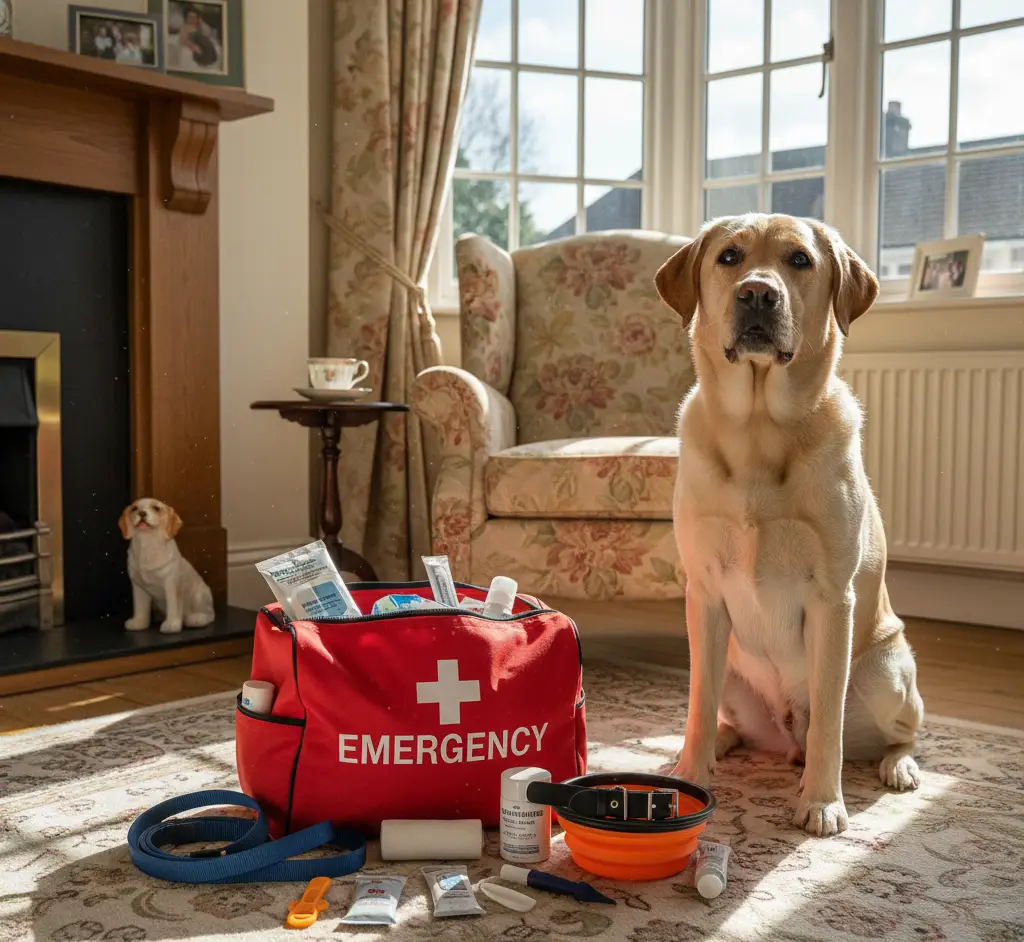
- Build a pet emergency kit with 3 days of food, water, medications, and comfort items
- Make sure your pet is microchipped and the details are up to date — it's your best chance of reuniting if separated
- Most emergency shelters don't accept pets — have a backup plan with friends, family, or pet-friendly accommodation
Your Pets Need an Emergency Plan Too
When people prepare for emergencies, pets are often an afterthought. But if you need to evacuate, lose power for days, or deal with flooding, your pets are coming along for the ride — and they need their own supplies and plan.
In the UK, around 62% of households have a pet. That's a lot of animals that need looking after when things go wrong.
The Pet Emergency Kit
Pack this and keep it with your household emergency supplies:
Food and Water
- 3 days of pet food (dry food stores better than wet)
- Collapsible water bowl
- Bottled water for your pet (at least 1 litre per day for dogs, less for cats)
- Manual tin opener if you use tinned food
- Any dietary supplements your pet needs
Health and ID
- Copies of vaccination records
- Current prescription medications (at least a week's supply)
- Your vet's contact details
- Pet first aid kit (bandages, antiseptic wipes, tick remover)
- Microchip number and registration details
- Recent photo of your pet (in case you get separated — for identification)
Transport and Containment
- Lead and collar with ID tag (up-to-date contact number)
- Cat carrier or dog crate
- Spare lead
- Muzzle (if your dog may be stressed — even friendly dogs can bite when frightened)
- Poo bags
Comfort
- A familiar blanket or toy
- Treats
- A piece of clothing that smells of you (genuinely calming for anxious pets)
Ancol Folding Pet Bowl (1L)
Amazon UK1 litre
Silicone
Flat for storage
Carabiner included
Pros
- +Folds completely flat
- +Clips to your bag or lead
- +Dishwasher safe
Cons
- −Lighter dogs may push it around
- −Only 1 litre capacity
Takes up zero space in your pet emergency kit. Clip it to your grab bag and your pet always has a water bowl.
View dealAffiliate link — we may earn a small commission at no extra cost to you
Microchipping is a legal requirement
Evacuation With Pets
If you need to leave your home in an emergency:
Before You Go
- Never leave pets behind if you can possibly take them
- Put dogs on leads and cats in carriers before you open the door — stressed animals bolt
- Grab your pet emergency kit
- Take food, water, and medications for at least 3 days
- Bring vaccination records (boarding facilities and shelters will need them)
Where to Go
This is the tricky part. Most emergency rest centres and shelters in the UK do not accept pets (except assistance dogs). Plan ahead:
- Friends or family — Your best option. Identify someone who can take you and your pets
- Pet-friendly hotels — Know which ones are in your area. Many Travelodge, Premier Inn, and independent hotels accept dogs
- Boarding kennels or catteries — Have a backup kennel in mind and know their emergency admission policy
- Your vet — Some vets offer emergency boarding for existing clients
If You Absolutely Can't Take Them
If you're forced to leave without your pets (only in extreme, life-threatening situations):
- Leave them in a secure, interior room away from windows
- Leave plenty of water in heavy, non-tip bowls
- Leave dry food out (it won't spoil as quickly as wet food)
- Don't tie or chain animals — they need to be able to move to safety
- Put a sign on your door or window saying how many and what type of pets are inside
- Contact the RSPCA (0300 1234 999) as soon as possible to arrange rescue
Never leave pets in a flood-risk area
Pets During Specific Emergencies
Power Cuts
- Most pets cope fine in the dark — they're better at it than we are
- Fish tanks and reptile vivariums are the exception — they need heat and filtration. Have a battery-powered air pump and consider insulating the tank
- Electric pet doors won't work — make sure pets can get in and out manually
- Automatic feeders may not work — switch to manual feeding
Storms
- Many pets are terrified of thunder and high winds
- Create a safe space — a quiet room, ideally internal, with their bed and familiar items
- Close curtains and play background noise (radio or TV if you have power)
- Don't punish fearful behaviour — it makes it worse
- Consider calming aids (Adaptil for dogs, Feliway for cats)
- Make sure cats are indoors before a storm hits
- Secure any outdoor animal housing (rabbit hutches, chicken coops)
Adaptil Calm Home Diffuser (30-day starter kit)
Amazon UKUp to 70m²
30 days per refill
Plug-in diffuser
Dog appeasing pheromone
Pros
- +Clinically proven to reduce anxiety in dogs
- +Covers a large room
- +Works continuously — no timing needed
Cons
- −Needs a wall socket — won't work in power cuts
- −Dogs only — use Feliway for cats
Plug this in before storm season. It won't sedate your dog but it genuinely reduces storm anxiety for most dogs.
View dealAffiliate link — we may earn a small commission at no extra cost to you
Flooding
- Move small animal cages and fish tanks to upper floors at the first sign of flooding
- Dogs and cats should be kept upstairs if water enters the ground floor
- Floodwater is contaminated — don't let pets drink it or walk through it more than necessary
- After flooding, check your garden for hazards before letting pets out (debris, contaminated ground, open drains)
Extreme Cold
- Bring outdoor pets inside or provide extra insulation for outdoor housing
- Antifreeze is lethal to pets — even a small amount. Clean up any spills immediately
- Rock salt can irritate paws — wipe your dog's feet after winter walks
- Short-haired and elderly dogs may need a coat in extreme cold
Ancol Muddy Paws Stormguard Dog Coat
Amazon UKXS to XXL
Waterproof outer, fleece lining
Adjustable chest and belly straps
Yes
Pros
- +Waterproof and warm — fleece lined
- +Reflective strips for dark walks
- +Adjustable fit for most breeds
Cons
- −Sizing can be tricky — measure carefully
- −Not suitable for very deep-chested breeds
Essential for short-haired, elderly, or small dogs in winter emergencies. Keeps them warm and visible.
View dealAffiliate link — we may earn a small commission at no extra cost to you
Livestock and Horses
If you have larger animals:
- Have an evacuation route planned for horses and livestock
- Identify alternative grazing or stabling
- Keep copies of passports and vaccination records accessible
- Consider whether your animals can be moved by trailer at short notice
- Contact your local authority about livestock emergency plans in flood-risk areas
After an Emergency
- Check your home and garden for hazards before letting pets roam freely
- Watch for signs of stress — changes in eating, sleeping, or behaviour
- Keep routines as normal as possible — feeding times, walks, play
- If your pet was exposed to floodwater or contamination, see your vet
- Update your microchip details if you've moved, even temporarily
Key Contacts
| Service | Number |
|---|---|
| RSPCA (England & Wales) | 0300 1234 999 |
| SSPCA (Scotland) | 03000 999 999 |
| Your vet | (save in your phone and write down) |
| Local council (stray animals) | Check council website |
Pet Emergency Checklist
- Pet emergency kit packed and accessible
- Microchip registered and details up to date
- ID tag on collar with current phone number
- Evacuation plan includes pets
- Friend/family member or boarding facility identified as backup
- Vaccination records accessible
- 3-day supply of food and medications stocked
- Recent photo of pet stored on phone and printed
Your pets rely on you completely. A bit of planning makes sure you can look after them properly when things go sideways.
Ready to gear up?
Use our kit builder to get a complete packout list tailored to your trip type, terrain, and budget — with prices and buy links.
Related reading
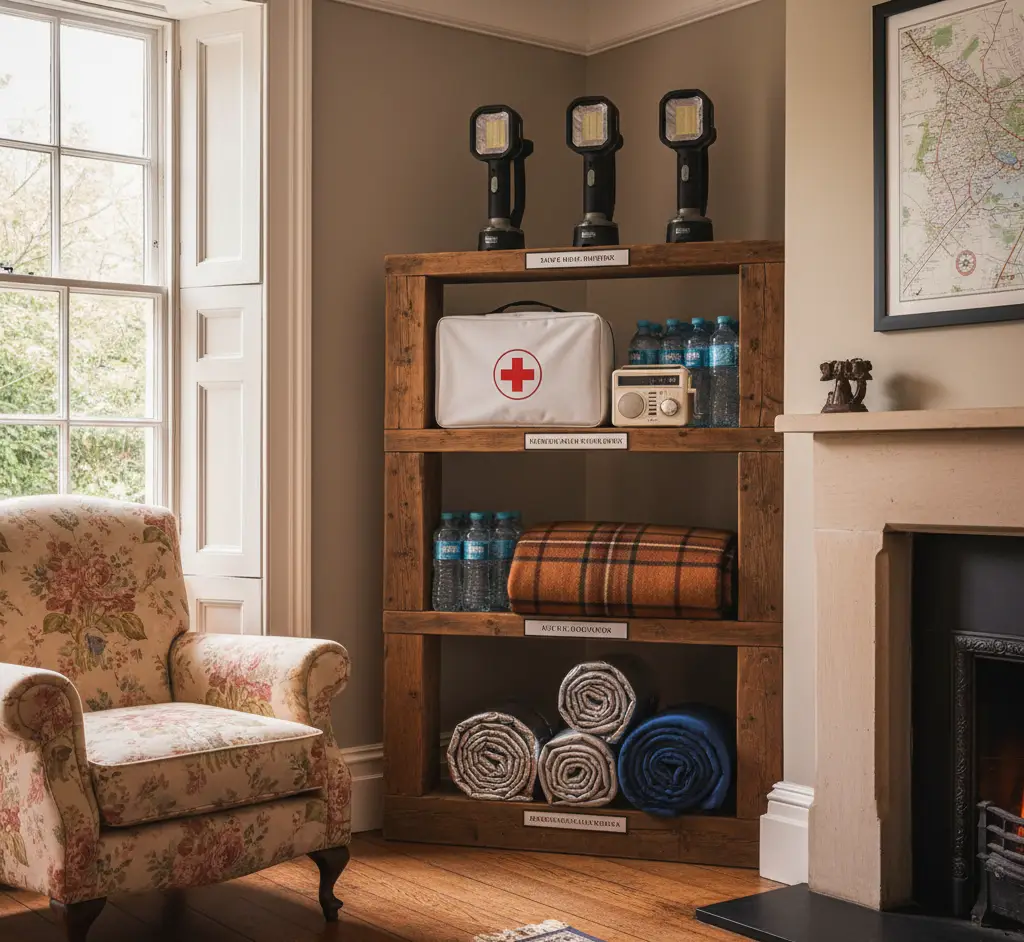
Emergency Preparedness for UK Homes: Your Complete Guide
A practical guide to emergency preparedness for UK homes covering floods, storms, power cuts, and everything in between.
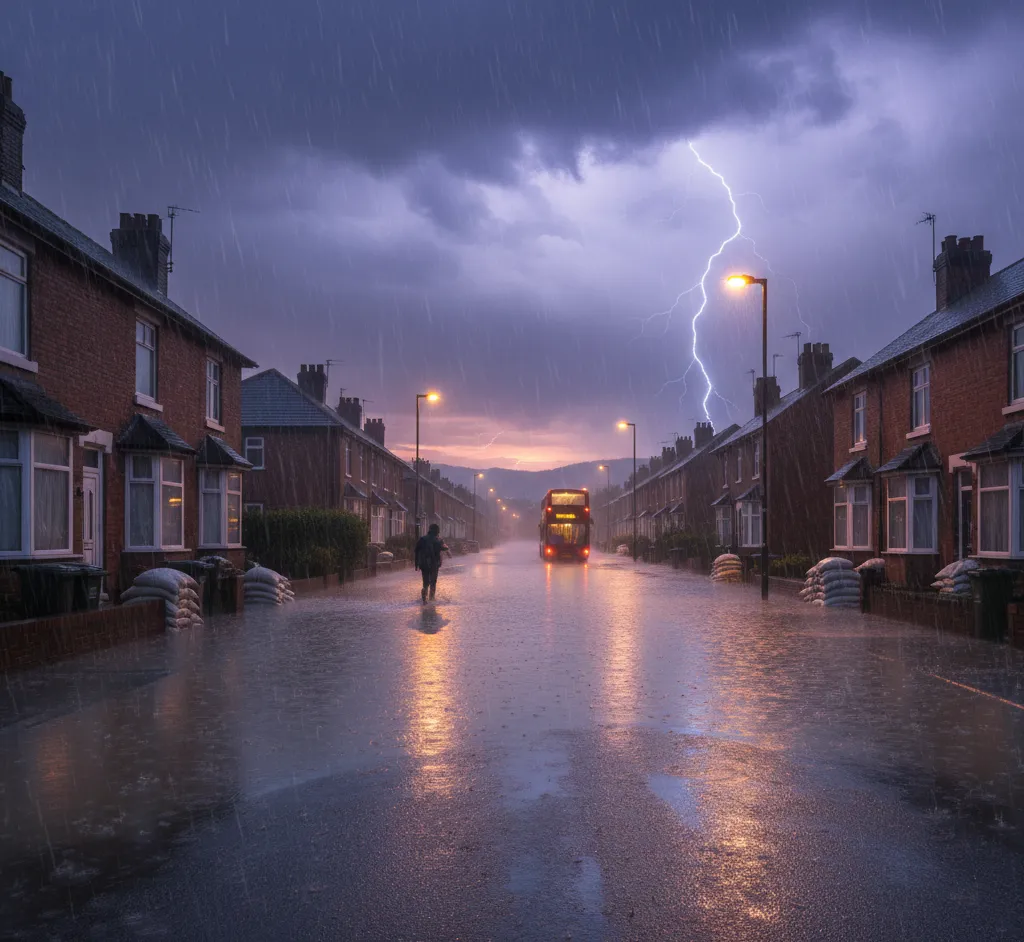
UK Flood Preparation: How to Protect Your Home in 2025
Practical flood preparation advice for UK homes including sandbags, flood barriers, insurance, and what to do before, during, and after a flood.

Storm Preparation for UK Homes: Before the Weather Hits
How to prepare your UK home for severe storms — securing your property, understanding Met Office warnings, and staying safe during high winds.
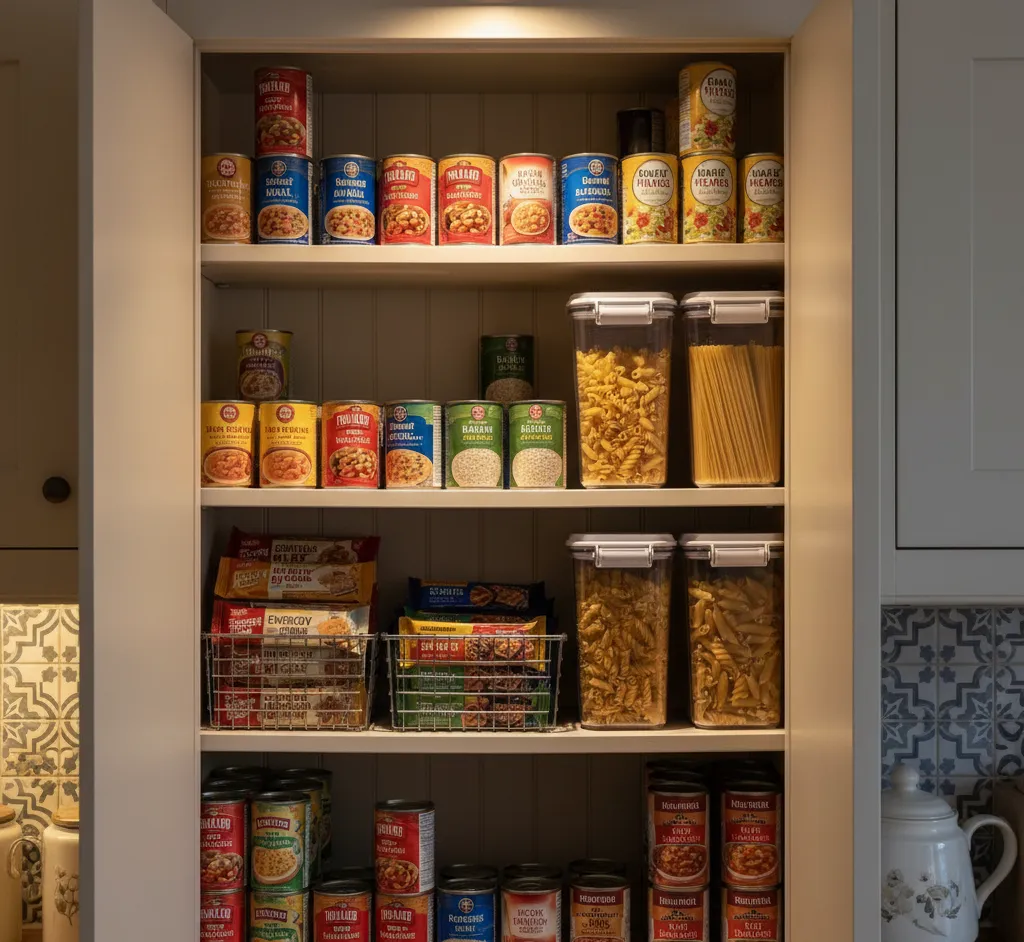
Emergency Food Storage for UK Homes — What to Stock and Keep
How to build a practical 72-hour emergency food supply for UK homes — shelf-stable options, rotation systems, and budget-friendly choices.