This page contains affiliate links. If you purchase through them we may earn a small commission at no extra cost to you. Learn more
Emergency Water Supply for UK Homes: How to Prepare
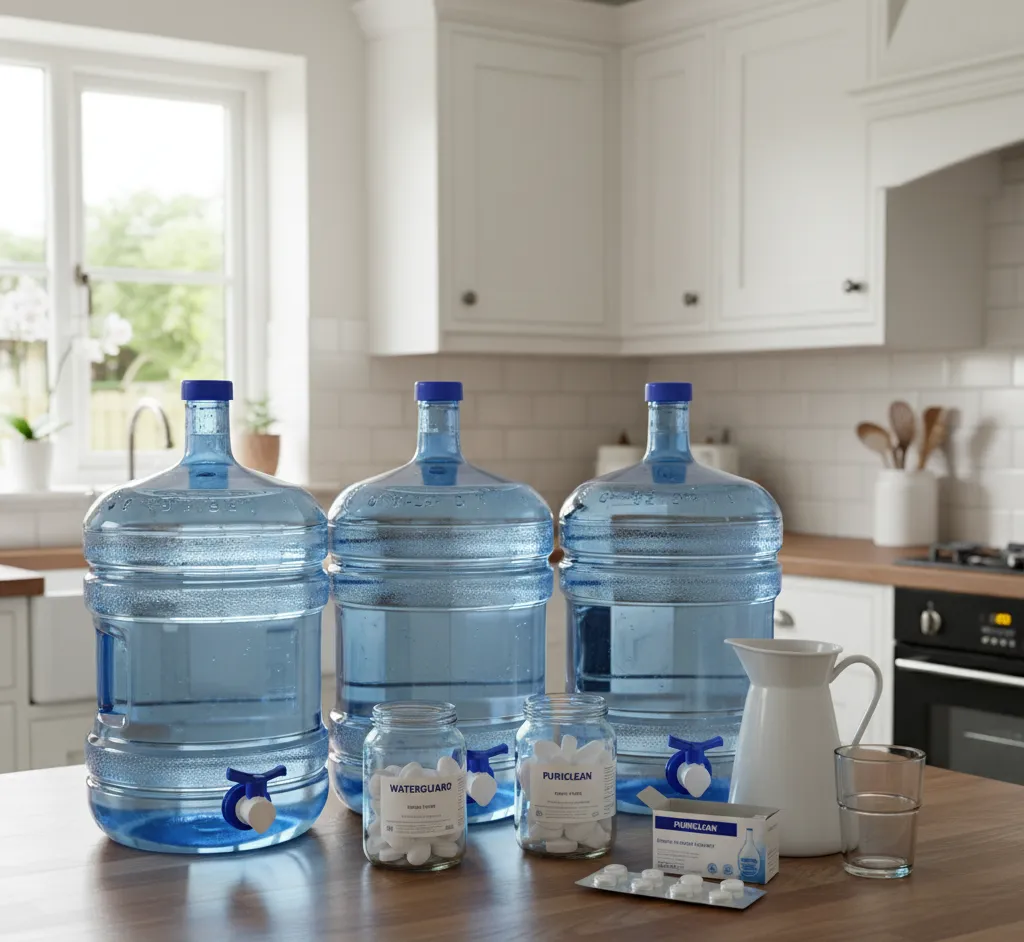
Quick Summary
- Store at least 2 litres of drinking water per person per day — aim for a 3-day supply minimum
- Keep water purification tablets as backup and know how to make water safe in an emergency
- Your water company has a legal duty to provide alternative supply during disruptions — know their emergency number
Why Store Water?
We take tap water for granted in the UK. Turn the tap, water comes out. Except when it doesn't.
Water supply disruptions happen more often than you'd think:
- Burst water mains
- Flooding contaminating the supply
- Severe cold freezing pipes and infrastructure
- Treatment works failures
- Planned maintenance
In 2022, a burst main in London left parts of the city without water for over 24 hours. During Storm Arwen in 2021, some communities went days without clean water. It happens, and when it does, you need a plan.
How Much Water Do You Need?
The standard recommendation is 2 litres of drinking water per person per day as a minimum. That covers drinking and basic food preparation.
If you want to include water for washing, hygiene, and cooking, you're looking at 4–5 litres per person per day.
For a household of four, that means:
| Duration | Drinking Only | Including Basic Hygiene |
|---|---|---|
| 24 hours | 8 litres | 20 litres |
| 3 days | 24 litres | 60 litres |
| 7 days | 56 litres | 140 litres |
A 3-day supply for drinking is the sensible baseline for most UK homes. That's very manageable in terms of space and cost.
How to Store Water
Shop-Bought Bottled Water
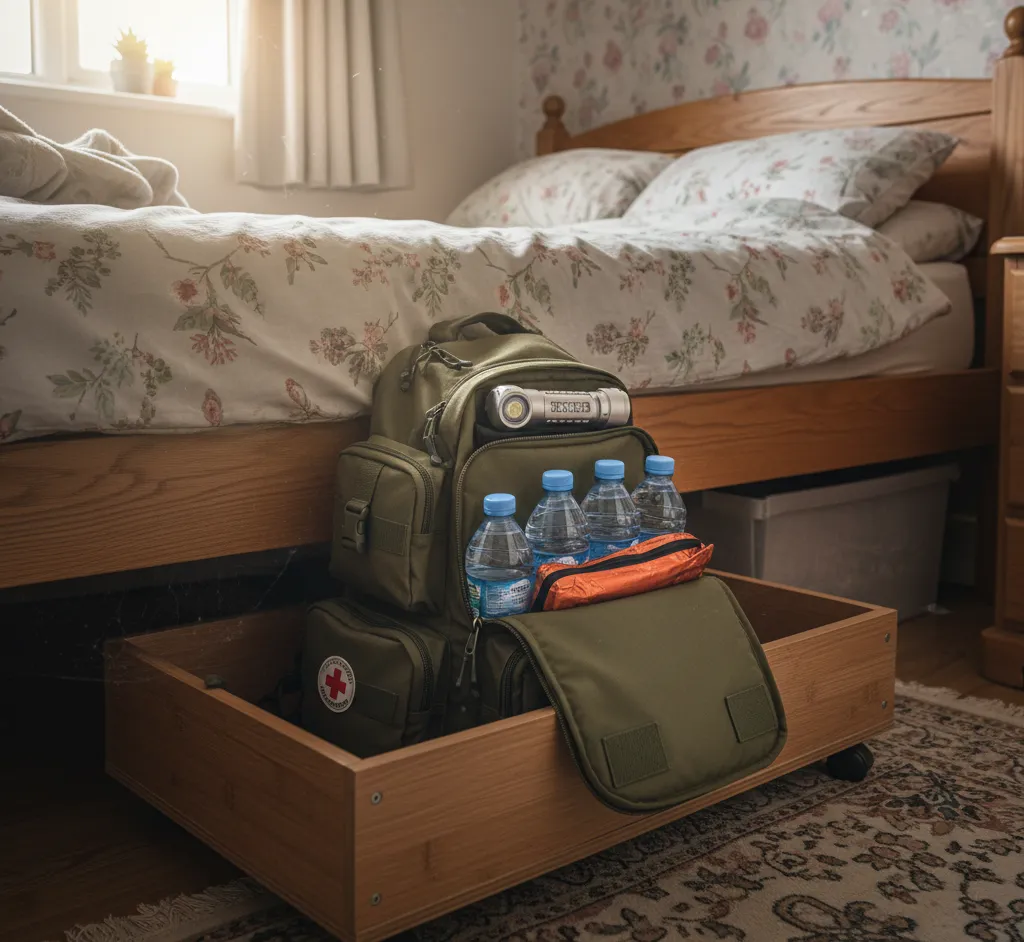
The simplest approach. Buy large bottles (5-litre or 2-litre) from the supermarket and store them.
- Store in a cool, dark place away from direct sunlight
- Keep away from chemicals, cleaning products, and strong-smelling items (plastic absorbs odours)
- Check expiry dates — bottled water does technically expire, though sealed bottles last years
- Rotate every 6–12 months (use them up and replace)
Food-Grade Water Containers
For larger storage:
- Buy food-grade water containers (available in 10, 20, or 25-litre sizes)
- Fill from the tap — UK tap water is treated and safe for storage
- Replace the water every 6 months
- Label containers with the fill date
- Clean containers with a small amount of unscented bleach before first use (rinse thoroughly)
Lifetime 25L Water Container with Tap
Amazon UK25 litres
Food-grade HDPE
Built-in spigot
Yes
Pros
- +Built-in tap for easy pouring
- +Food-grade and BPA-free
- +Stackable for compact storage
Cons
- −Heavy when full (25kg)
- −Tap can drip if overtightened
Fill one of these from the tap and keep it in the garage or under the stairs. That's nearly a week's drinking water for one person, sorted.
View dealAffiliate link — we may earn a small commission at no extra cost to you
The easy rotation system
Water in Your Home Already
Don't forget the water already in your home if supply is cut off:
- Hot water cylinder — If you have a tank (not a combi boiler), there could be 100+ litres of clean water in there
- Cold water tank in the loft — Older homes may have one. This water is potable if the tank is clean and covered
- Toilet cisterns — The water in the cistern (not the bowl) is clean tap water. In a genuine emergency, this is drinkable
- Ice cubes — Your freezer ice is clean water
Don't drink floodwater
Water Purification
If you run out of stored water and the taps aren't working, knowing how to purify water could be essential.
Water Purification Tablets
- Cheap, lightweight, long shelf life (5+ years)
- Follow the instructions on the packet — typically one tablet per litre, wait 30 minutes
- Won't remove chemical contamination but kills bacteria and viruses
- Available from outdoor shops and online — keep a pack in your emergency kit
Oasis Water Purification Tablets (67mg, 50 pack)
Amazon UK50
1 tablet per litre
30 minutes
5+ years
Pros
- +Treats 50 litres of water
- +Tiny — fits in a pocket
- +5+ year shelf life
Cons
- −Slight chlorine taste
- −Doesn't remove chemical contamination
Weighs nothing, costs almost nothing, lasts years. Keep a pack in your emergency kit and forget about it until you need it.
View dealAffiliate link — we may earn a small commission at no extra cost to you
Boiling
- Bring water to a rolling boil for at least 1 minute
- Let it cool before drinking
- Kills bacteria, viruses, and parasites
- Won't remove chemical contamination or heavy metals
- Requires a heat source — gas hob, camping stove, or fire
Improvised Filtration
In a true emergency, you can make a basic filter:
- Cut the bottom off a plastic bottle
- Layer: cotton cloth, sand, small gravel, larger gravel (bottom to top)
- Pour water through slowly
- This removes sediment and some impurities but does NOT make water safe to drink alone
- Always boil or treat filtered water afterwards
LifeStraw Personal Water Filter
Amazon UKUp to 4,000 litres
99.999% bacteria
57g
Indefinite (dry)
Pros
- +Filters bacteria and parasites instantly
- +No batteries, chemicals, or moving parts
- +Lasts for thousands of litres
Cons
- −Doesn't filter viruses or chemicals
- −Awkward to use — need to suck through it
A brilliant backup for genuine emergencies. Drink directly from any freshwater source. Keep one in your emergency kit.
View dealAffiliate link — we may earn a small commission at no extra cost to you
What Water Sources Are Safest?
If you need to find water outside your home:
- Rainwater — Relatively clean. Collect it in clean containers. Still best to purify
- Running streams — Better than standing water. Always purify
- Standing water (ponds, puddles) — Last resort. Filter and purify
- Seawater — Cannot be made drinkable without distillation equipment
When Your Water Company Cuts Supply
Your water company has a legal obligation to provide alternative water if they cut or lose your supply:
- They should notify you of planned disruptions in advance
- For unplanned outages, they should set up water stations or send bowsers (mobile water tanks) to affected areas
- They must provide updates on estimated restoration time
- You may be entitled to compensation for extended outages
Your Water Company's Emergency Number
Find your water company and save their emergency number:
| Region | Water Company |
|---|---|
| London | Thames Water |
| South East | Southern Water / South East Water |
| South West | South West Water |
| Midlands | Severn Trent |
| North West | United Utilities |
| North East | Northumbrian Water |
| Yorkshire | Yorkshire Water |
| Wales | Dŵr Cymru (Welsh Water) |
| Scotland | Scottish Water |
Check your water bill or search online for your specific company's emergency line. Save it in your phone and write it down.
Special Considerations
Babies and Young Children
- Use only bottled water or freshly boiled and cooled tap water for making up formula
- In an emergency, ready-made formula doesn't need water
- Keep extra supplies of any specialist formula
Medication
- Some medications need to be taken with water
- If you're on dialysis, speak to your health team about emergency water plans — you'll need specific arrangements
Pets
- Dogs need about 50ml of water per kg of body weight per day
- Cats need about 40–60ml per kg
- Factor pet water needs into your storage calculations
Hygiene Without Running Water
- Baby wipes for personal cleaning
- Hand sanitiser (at least 60% alcohol)
- Dry shampoo
- A small basin of water goes further than running a tap — wash with a cloth
Your Water Emergency Checklist
- 3-day water supply stored (2 litres per person per day minimum)
- Water purification tablets in your emergency kit
- Water company emergency number saved and written down
- Everyone knows where the stopcock is
- Pet water needs accounted for
- Rotation schedule set (every 6 months)
Water is the most basic essential. A few bottles in a cupboard and a pack of purification tablets is all it takes to make sure you're covered.
Ready to gear up?
Use our kit builder to get a complete packout list tailored to your trip type, terrain, and budget — with prices and buy links.
Related reading
Emergency Preparedness for UK Homes: Your Complete Guide
A practical guide to emergency preparedness for UK homes covering floods, storms, power cuts, and everything in between.
Emergency Food Storage for UK Homes — What to Stock and Keep
How to build a practical 72-hour emergency food supply for UK homes — shelf-stable options, rotation systems, and budget-friendly choices.
UK Flood Preparation: How to Protect Your Home in 2025
Practical flood preparation advice for UK homes including sandbags, flood barriers, insurance, and what to do before, during, and after a flood.
Emergency Preparedness for Flats and Apartments UK
Emergency preparedness when you live in a flat or apartment — limited space solutions, communal building considerations, and what renters need to know.