This page contains affiliate links. If you purchase through them we may earn a small commission at no extra cost to you. Learn more
Lightweight Camping Guide — Going Ultralight in the UK
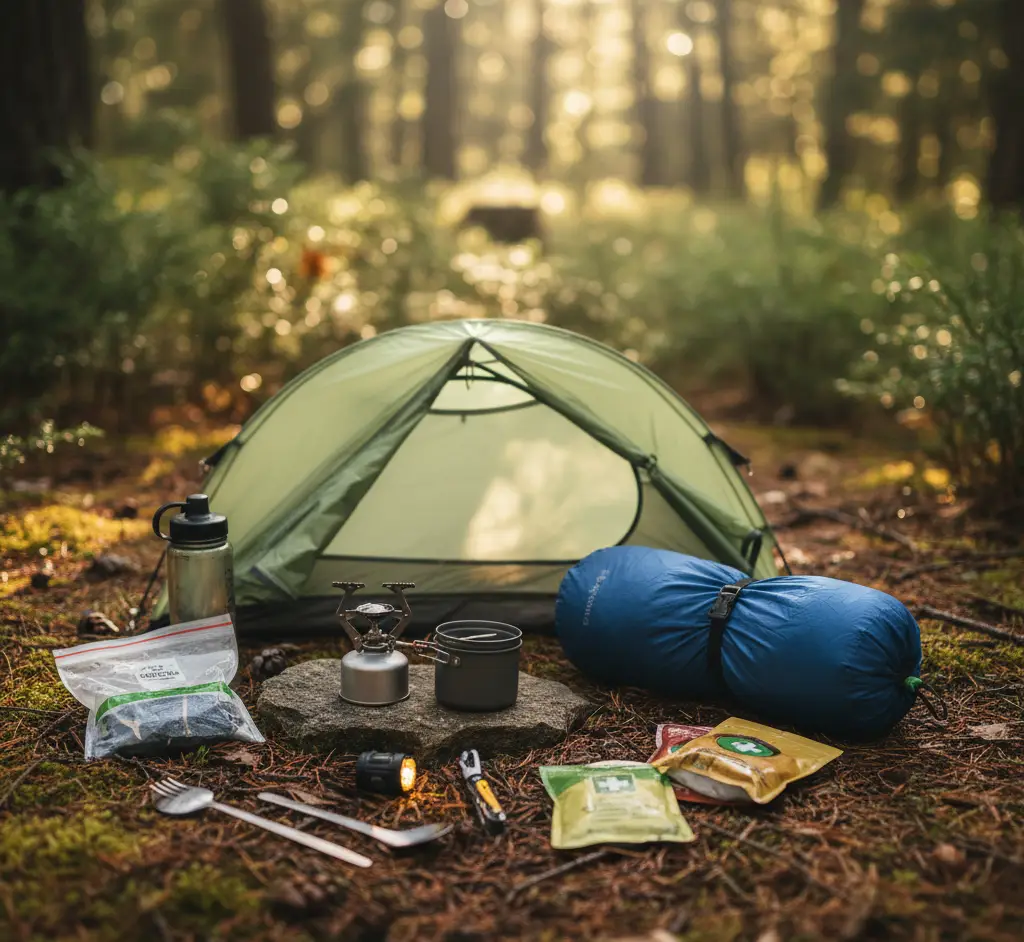
Lightweight Camping Guide — Going Ultralight
Every gram you carry on your back affects how far you walk, how much you enjoy the walk, and how tired you are when you arrive at camp. Going lighter doesn't mean going less comfortable — it means being smarter about what you carry.
What Is Ultralight?
The ultralight community generally defines pack weight categories as:
- Traditional: Base weight over 10kg
- Lightweight: Base weight 5-10kg
- Ultralight: Base weight under 5kg
- Super ultralight: Base weight under 3kg
Base weight is everything in your pack except consumables (food, water, fuel). Most people's first wild camping kit falls in the 10-15kg base weight range. Getting below 8kg is achievable for most people without extreme sacrifice.
The Big Three
Your tent, sleeping bag, and sleeping mat together typically account for 50-70% of your base weight. This is where the biggest savings are.
Shelter
| Option | Typical Weight | Notes |
|---|---|---|
| Family tent | 3-5kg | Way too heavy for wild camping |
| Standard backpacking tent | 1.5-2.5kg | The default choice |
| Ultralight tent | 0.8-1.5kg | Lighter materials, smaller packed size |
| Tarp + bivvy | 0.5-1kg | Lightest option, most skill required |
| Tarp only | 0.3-0.5kg | For the committed minimalist |
For UK conditions, a lightweight one-person tent in the 1-1.5kg range is the sweet spot. It handles wind and rain while keeping weight manageable.
Tarps are lighter but require more skill to pitch effectively, and in heavy rain or strong wind they're less forgiving. They work brilliantly in summer and for experienced campers.
Sleeping Bag
Down is lighter than synthetic for equivalent warmth but costs more and loses insulation when wet. For UK use:
- A quality 600-800 fill power down bag rated to -5°C weighs around 700-900g
- An equivalent synthetic bag weighs 1.2-1.5kg
- A quilt (no back, no hood) saves 200-300g over a traditional bag
If you choose down, use a dry bag to keep it dry. In the UK's wet climate, this is essential.
Sleeping Mat
- Foam mat: Light (200-400g), cheap, indestructible. Not very comfortable. R-value 2-3.
- Inflatable mat: More comfortable, higher R-values, but heavier (300-600g) and can puncture.
- Short mat: Cutting a mat to torso-length saves weight. Put your rucksack under your legs.
Before buying expensive ultralight gear, weigh everything you currently own. You'll find heavy items you can swap, ditch, or replace with what you've already got. A kitchen scale is the ultralight camper's best friend.
Easy Weight Savings
These changes cost nothing or very little:
Leave It Behind
The biggest weight saving is not carrying things. Be ruthless:
- "Just in case" items — if you haven't used it in three trips, leave it
- Too many clothes — one set to walk in, one set to sleep in. That's it.
- Full-size toiletries — decant into small containers or just bring a toothbrush
- Multiple tools — a small knife or multitool is plenty
- Excess packaging — repackage food into zip-lock bags at home
- Books — use your phone (or a kindle, at 180g)
- Camp shoes — your feet will survive one night
Lighter Alternatives
- Titanium pot instead of steel — saves 100-200g
- Gas canister stove instead of multi-fuel — simpler and lighter
- Trail running shoes instead of boots — saves 500g+ per foot (not for everyone or all conditions)
- Stuff sack as a pillow — fill with spare clothes instead of carrying a separate pillow
- Phone as camera, GPS, book, and entertainment — one device, many uses
Multi-Use Items
Every item that serves two purposes saves weight:
- Rain jacket = wind layer
- Sleeping bag stuff sack + clothes = pillow
- Walking poles = tarp poles
- Pot lid = chopping board
- Bandana = towel, pot holder, sun protection
Cooking Weight
Cooking gear can add up fast:
Heavy approach: Multi-fuel stove, separate pans, plates, cutlery, chopping board = 1.5kg+
Lightweight approach: Canister stove, single titanium pot, spork = 300-400g
Ultralight approach: No-cook food (wraps, cheese, salami, nuts, bars) = 0g
Going stove-less is controversial but saves significant weight and bulk. In summer, cold food is perfectly viable for an overnight trip. In cooler months, the morale boost of a hot meal is worth carrying a stove.
Water
Water is heavy — 1 litre = 1kg. Strategies:
- Know your water sources — carry less if you can refill reliably
- Purification tablets weigh almost nothing (lighter than a filter)
- Squeeze filters (like the Sawyer Squeeze) are light and fast
- Don't carry more than you need — 1-2 litres is usually enough if you know where to refill
The Weight Trap
A word of caution: ultralight obsession can become counterproductive.
- Don't sacrifice safety for weight — carry waterproofs, navigation, first aid
- Don't sacrifice sleep quality — a good night's sleep is worth 200g of sleeping mat
- Don't spend thousands replacing perfectly good gear with lighter versions
- Don't become the person who weighs their toothbrush handle
The goal isn't the lightest possible pack — it's the lightest pack that lets you camp comfortably and safely.
Never cut safety gear to save weight. Waterproof jacket, map and compass, first aid basics, head torch, and emergency shelter are non-negotiable regardless of your weight target.
A Realistic Lightweight Kit List
Here's a practical lightweight wild camping kit that balances weight and comfort:
- Tent (1-person ultralight): 1.2kg
- Sleeping bag (3-season down): 0.8kg
- Sleeping mat (inflatable, short): 0.4kg
- Rucksack (40-50L lightweight): 0.8kg
- Stove + gas + pot + spork: 0.4kg
- Waterproofs (jacket + trousers): 0.5kg
- Warm layer (puffy jacket): 0.4kg
- Base layers, spare socks: 0.3kg
- Head torch, first aid, map, compass: 0.3kg
- Water (1L) + purification: 1.1kg
- Food (1 dinner, 1 breakfast, snacks): 0.8kg
Total: ~7kg
That's a pack you can walk all day with and barely notice. Compare it with a 14kg traditional pack and the difference in your legs, back, and enjoyment is dramatic.
Getting Started
- Weigh your current kit — you can't reduce what you don't measure
- Identify the heaviest items — focus savings where they'll make the biggest difference
- Leave stuff behind first — free weight savings before spending money
- Upgrade the big three — this is where money makes the biggest difference
- Try it — do a short trip with reduced kit and see what you actually miss
Recommended Ultralight Gear
These three items represent the biggest weight savings in the big three categories without breaking the bank.
Lanshan 2 Ultralight Tent
Amazon UK1.2kg (with trekking poles)
2
3
20D silnylon
Pros
- +Incredibly light for a two-person tent
- +Uses trekking poles instead of dedicated poles
- +Silnylon handles rain well
Cons
- −Requires trekking poles
- −Fiddlier to pitch than freestanding tents
Under 1.5kg for a two-person tent at this price is remarkable. The go-to choice for weight-conscious campers on a budget.
View dealAffiliate link — we may earn a small commission at no extra cost to you
TOAKS Titanium 750ml Pot
Amazon UK750ml
103g
Titanium
Included
Pros
- +Titanium weighs half as much as stainless steel
- +750ml is perfect for solo boil-and-eat meals
- +Doubles as a mug
Cons
- −Titanium doesn't distribute heat as evenly as aluminium
A titanium pot saves 100-200g over steel equivalents. That's free weight saving on every trip for years to come.
View dealAffiliate link — we may earn a small commission at no extra cost to you
Sawyer Squeeze Water Filter
Amazon UK85g
1.7 litres per minute
0.1 micron hollow fibre
Up to 400,000 litres
Pros
- +Lets you carry less water — massive weight saving
- +Fast flow rate
- +Lighter than carrying extra litres of water
Cons
- −Can clog in peaty water
Every litre of water you don't carry saves 1kg. A filter that weighs 85g and lets you refill from streams is the best weight trade you'll make.
View dealAffiliate link — we may earn a small commission at no extra cost to you
Lightweight camping isn't about suffering — it's about freedom. A lighter pack means further walks, higher camps, and more enjoyment. Start trimming and you won't look back.
Ready to gear up?
Use our kit builder to get a complete packout list tailored to your trip type, terrain, and budget — with prices and buy links.
Related reading
Beginner's Guide to Wild Camping in the UK — Getting Started
A complete step-by-step guide to wild camping for first-timers — what you need, how to find a spot, and how to have a brilliant first night outdoors.
Hammock Camping Guide for the UK — Setup, Gear and Advice
Everything you need to know about hammock camping in the UK — setup, insulation, tree straps, and when hammocks beat tents.
Wild Camping & Campsites in the UK — The Complete Guide
Everything you need to know about wild camping in the UK — where it's legal, where it's tolerated, and how to do it responsibly.
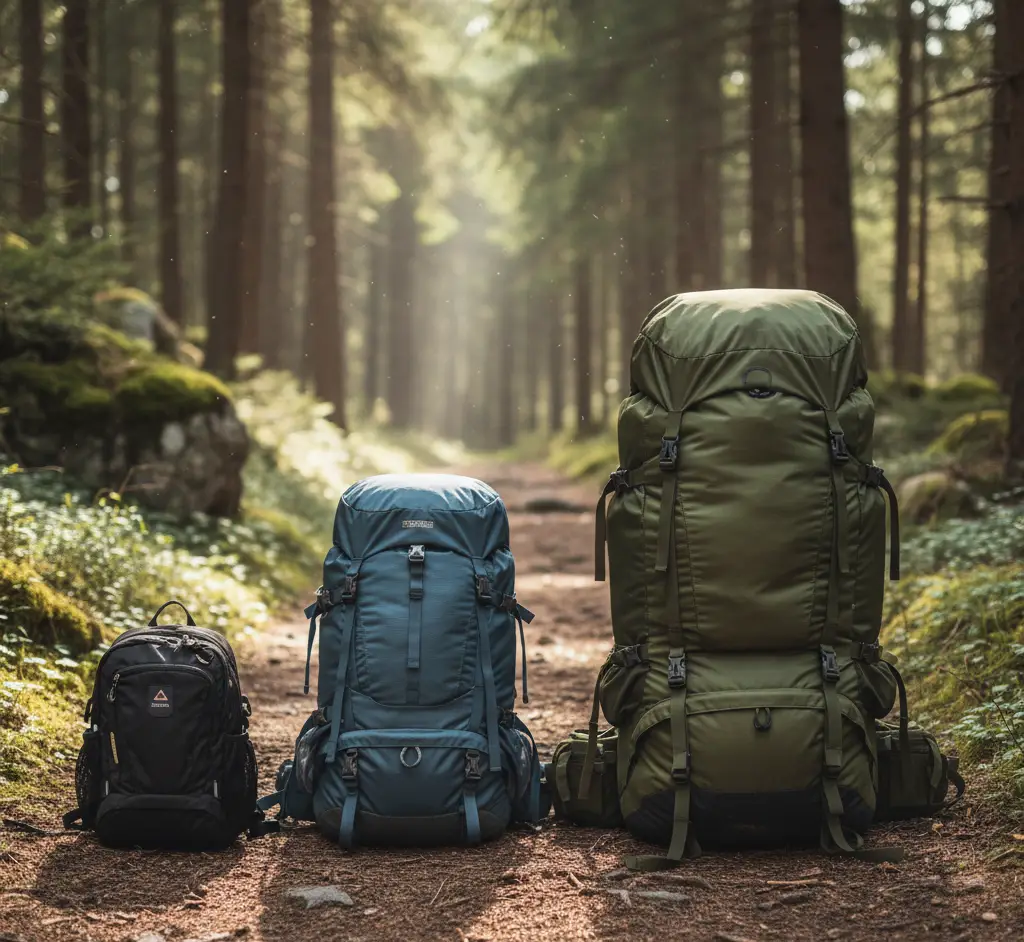
Best Rucksacks for Hiking and Wild Camping UK 2026
Best rucksacks and backpacks for hiking and camping in the UK 2026. Day packs to multi-day expedition rucksacks compared.