This page contains affiliate links. If you purchase through them we may earn a small commission at no extra cost to you. Learn more
Beginner's Guide to Wild Camping in the UK — Getting Started
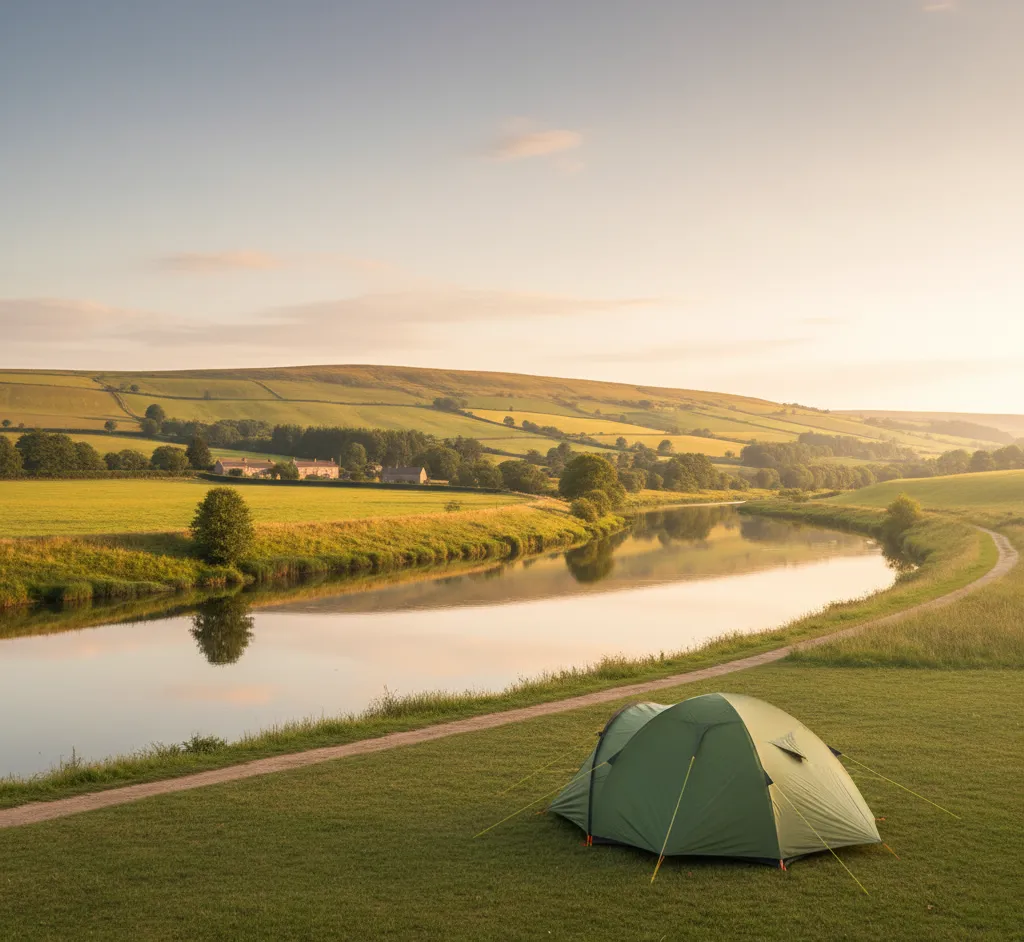
Beginner's Guide to Wild Camping
Your first wild camp is one of those experiences you'll remember forever — lying in your tent listening to absolutely nothing, stepping outside at midnight to a sky full of stars, waking up to a view that no hotel window can match.
But the first time can also be daunting. Where do you actually go? What if someone tells you to move? What if everything goes wrong?
This guide walks you through everything, step by step. By the end, you'll have the knowledge and confidence to get out there.
Step 1: Choose Your Location
For your first time, pick somewhere that reduces the stress:
Legal options:
- Scotland — wild camping is legal under the right to roam. Pick a glen or lochside with an easy walk from the road.
- Dartmoor — designated areas allow wild camping (check current bylaws).
Tolerated options:
- Lake District high fells — a well-established tradition of tolerance.
- Brecon Beacons high ground — generally tolerated on the mountain tops.
Don't make your first wild camp a remote mountain epic. Choose somewhere with a 30-60 minute walk-in from a road or car park. You want the experience of sleeping outdoors, not a survival challenge.
Step 2: Check the Weather
This is the single most important thing you can do. A good weather forecast transforms a wild camp from stressful to magical.
For your first camp:
- Choose a night with no rain forecast
- Avoid strong wind warnings
- Pick a night with reasonable temperatures (spring to autumn)
- Clear skies are a bonus — stargazing on your first camp is special
Check the Met Office mountain forecast for your area, not just the general forecast. Mountain weather differs significantly from the valleys.
Step 3: Gather Your Kit
You don't need top-end gear. You need functional gear. Here's the essential list:
The Big Three
- Tent — a two-person backpacking tent is ideal. Budget options start around £80-120. Make sure you know how to pitch it before you go.
- Sleeping bag — three-season rated (comfort to around -5°C) covers spring through autumn. From £40 upwards for synthetic.
- Sleeping mat — self-inflating or foam. Provides insulation from the ground and comfort. From £20.
Cooking
- A simple screw-on gas stove (from £15)
- A gas canister
- A lightweight pot (or an old pan)
- A spork or fork
- A lighter
Clothing
- Warm layers for evening (fleece, puffy jacket)
- Waterproof jacket and trousers
- Warm hat and gloves
- Spare dry socks
Other Essentials
- Head torch (with spare batteries)
- Water bottle (at least 1 litre)
- Water purification tablets
- Map of the area
- Small first aid kit
- Trowel (for toilet stops)
- Bin bag (for rubbish)
- Phone (charged, but don't rely on signal)
Don't buy everything new. Borrow from friends, check outdoor gear Facebook groups, or look at second-hand sites. Plenty of decent kit is available used. You can upgrade once you know what you actually need.
What You Don't Need
- A massive rucksack (50-60 litres is plenty)
- An axe or knife (you're not bushcrafting)
- Camping chairs, tables, or other luxury items
- A portable speaker (please, no)
Step 4: Pack Your Rucksack
A 50-65 litre rucksack should fit everything. Pack heavy items close to your back and in the middle of the bag. Put things you'll need first (waterproofs, snacks, water) near the top or in side pockets.
Keep your sleeping bag at the bottom in a dry bag. Everything should be waterproofed — either the whole rucksack with a rain cover, or individual items in dry bags.
Food suggestions for your first camp:
- Dinner: pre-made couscous or pasta mix (just add boiling water)
- Breakfast: porridge sachets
- Snacks: chocolate, nuts, flapjack
- Hot drinks: tea bags, instant coffee, hot chocolate
Step 5: Walk In and Find Your Spot
Leave in the afternoon or early evening. A short walk — 30 to 60 minutes — is plenty for a first camp. You want to arrive with enough daylight to set up comfortably.
Choosing your pitch:
Look for:
- Flat ground — even a slight slope becomes annoying over a full night
- Shelter from wind — the lee side of a hill, behind a wall, or in a natural dip
- Well-drained ground — avoid the bottom of valleys where cold air pools and water collects
- Away from water — don't camp right next to streams or lakes (both for ethics and because mist rises from water)
- Away from paths and buildings — be discreet
Avoid:
- Enclosed farmland
- Near livestock
- Right next to water sources
- Under dead trees or loose rocks
- Anywhere that feels wrong — trust your instincts
Step 6: Set Up Camp
- Clear the ground of sharp stones and sticks (but don't uproot anything or dig)
- Pitch your tent — practice at home first so you're not fumbling in fading light
- Stake it properly — even if it looks calm, wind can pick up overnight
- Set up your sleeping area — mat inflated, sleeping bag fluffed up and laid out
- Cook — keep it simple. Boil water, add to food, eat
- Sort your kit — everything inside the tent or in the porch. Nothing left outside overnight
Step 7: The Evening
This is the good bit. Once you're set up and fed, there's nothing to do but enjoy being there. Watch the sunset. Listen to the silence. Look at the stars.
Some first-camp nerves are normal. Strange noises are almost always sheep, wind, or small animals. You're safe.
If you need the toilet, walk well away from camp (at least 50 metres) and from water (at least 30 metres). Dig a cathole 15-20cm deep, do your business, and fill it back in.
Step 8: Sleep
A few tips for your first night:
- Change into dry base layers for sleeping
- Wear a hat — you lose a lot of heat from your head
- Put tomorrow's clothes inside your sleeping bag so they're warm in the morning
- Keep water and your head torch within reach
- If you're cold, eat a snack — your body generates heat by digesting food
- Accept that you might not sleep brilliantly. First nights rarely involve deep sleep. That's normal.
Step 9: Morning
Wake up to whatever view you've earned. This is the payoff.
- Pack up efficiently — stuff your sleeping bag, deflate your mat, sort your kit
- Cook breakfast or have it on the move
- Check your area — walk around the entire pitch and make sure nothing is left behind. No litter, no traces.
- Leave the spot exactly as you found it
The most common beginner mistake is leaving small items behind — tent pegs, food wrappers, tissue. Do a thorough sweep of your camping area before leaving. If you can't see any trace you were there, you've done it right.
Step 10: Reflect and Plan the Next One
Your first wild camp will teach you more than any guide can. You'll learn what gear works, what you missed, what you'd do differently.
Common first-camp lessons:
- "I needed a warmer sleeping bag"
- "My rucksack was too heavy"
- "I brought too much food / not enough food"
- "I should have checked the ground more carefully"
- "That was absolutely brilliant and I want to do it again"
That last one is the important one. Wild camping gets better with experience. Your second camp will be more comfortable, your third more adventurous, and before long you'll be planning multi-day routes through the mountains.
Quick Reference: The Rules
- Camp on open land, away from buildings and enclosed fields
- Pitch late (after 7pm), leave early (before 9am)
- Leave no trace — pack out everything, including food waste
- No fires unless conditions and location specifically allow it
- Be discreet — muted tent colours, away from paths
- Bury toilet waste properly in a cathole
- Respect other people, wildlife, and livestock
- If asked to move, be polite and go
Recommended Starter Kit
You don't need to spend a fortune. These three items cover the essentials and represent solid value for a first wild camp.
Vango Nevis 200 Tent
Amazon UK2.5kg
2
3
42 x 14cm
Pros
- +Genuinely affordable
- +Easy to pitch
- +Handles UK weather well for the price
Cons
- −Heavier than premium options
- −Porch space is limited
The best budget tent for your first wild camp — reliable, simple, and won't break the bank.
View dealAffiliate link — we may earn a small commission at no extra cost to you
Trespass Doze 3-Season Sleeping Bag
Amazon UK-3°C
Hollow fibre
1.5kg
Mummy
Pros
- +Warm enough for spring through autumn
- +Mummy shape retains heat well
- +Compression sack included
Cons
- −Bulkier than down alternatives
- −Not ideal for winter
A solid three-season bag that'll keep you comfortable on your first few camps without a big outlay.
View dealAffiliate link — we may earn a small commission at no extra cost to you
Petzl Tikkina Head Torch
Amazon UK300
81g
3x AAA
65m
Pros
- +Reliable and well-built
- +Simple one-button operation
- +Wide beam for camp tasks
Cons
- −Not rechargeable (uses AAA batteries)
The go-to budget head torch — simple, bright, and trusted by outdoor folk across the UK.
View dealAffiliate link — we may earn a small commission at no extra cost to you
Welcome to wild camping. You're going to love it.
Ready to gear up?
Use our kit builder to get a complete packout list tailored to your trip type, terrain, and budget — with prices and buy links.
Related reading
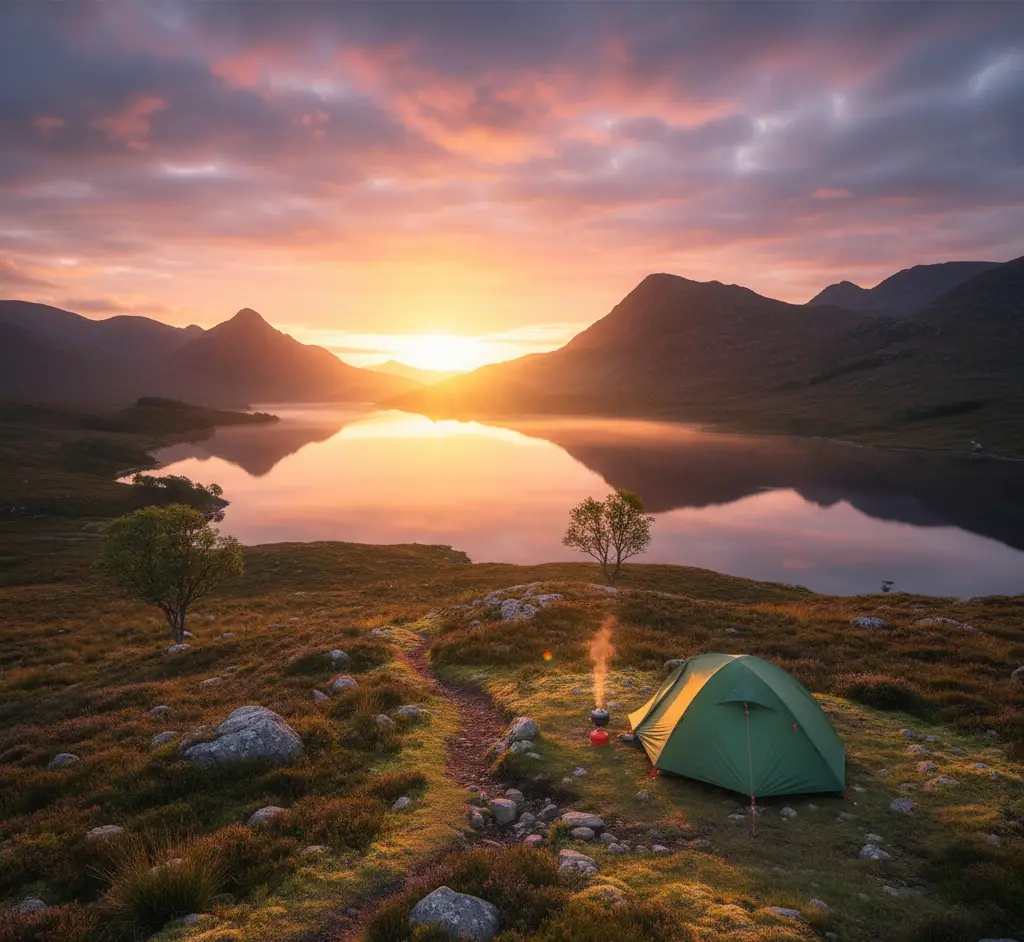
Wild Camping & Campsites in the UK — The Complete Guide
Everything you need to know about wild camping in the UK — where it's legal, where it's tolerated, and how to do it responsibly.
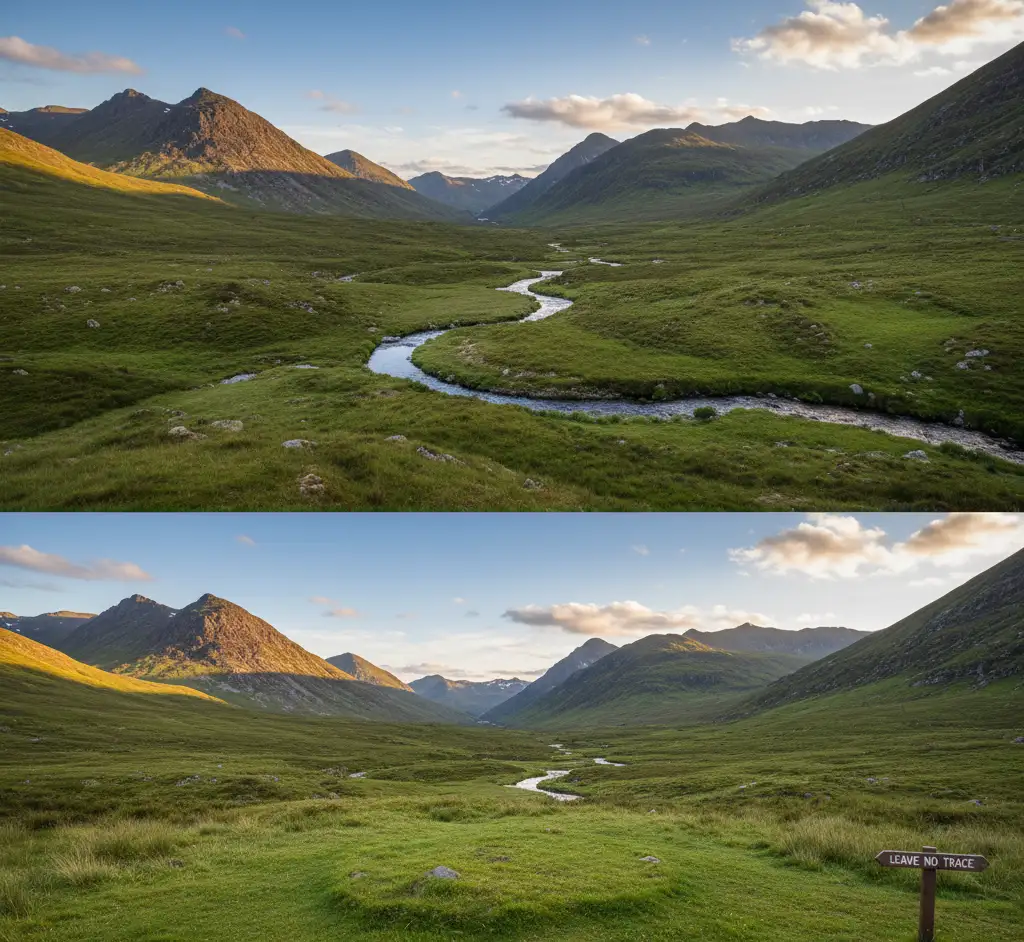
Leave No Trace Camping Guide — Responsible UK Wild Camping
The complete guide to leave no trace camping in the UK. How to camp responsibly and ensure wild places stay wild for everyone who follows.
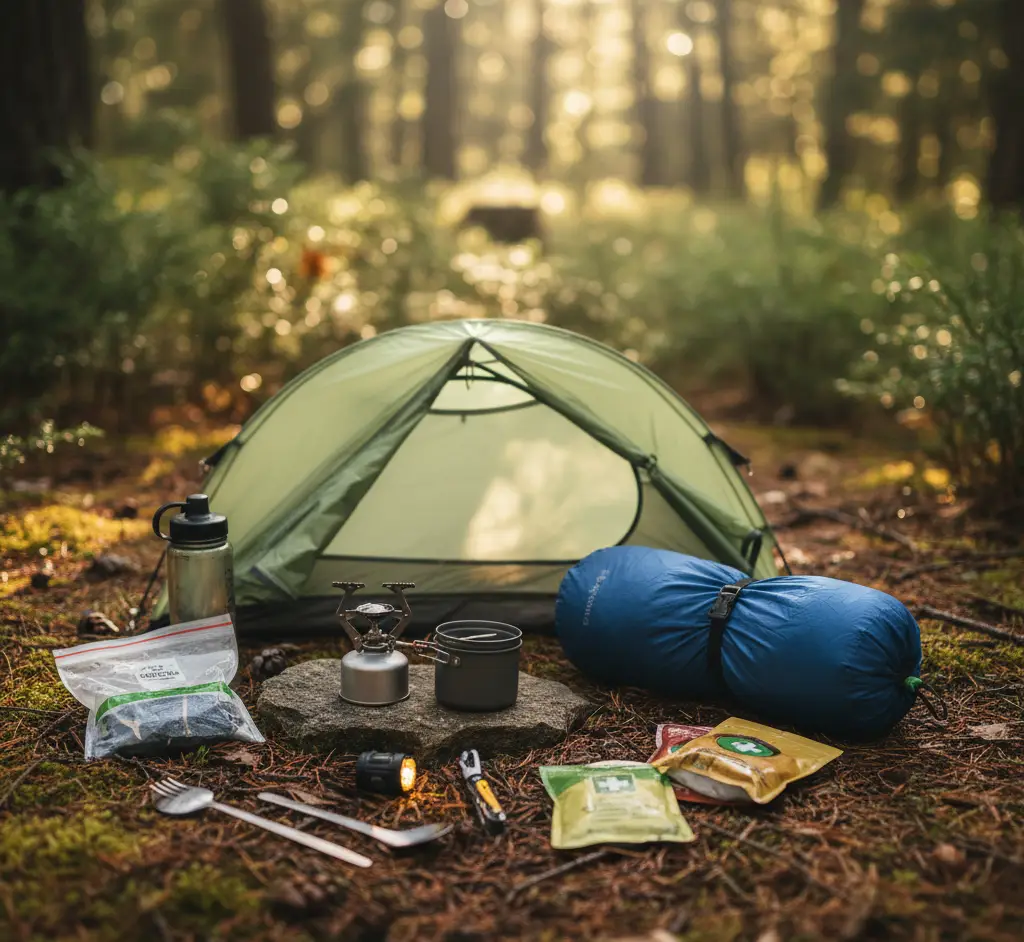
Lightweight Camping Guide — Going Ultralight in the UK
How to reduce your camping pack weight without sacrificing comfort or safety — practical ultralight tips for UK wild camping.
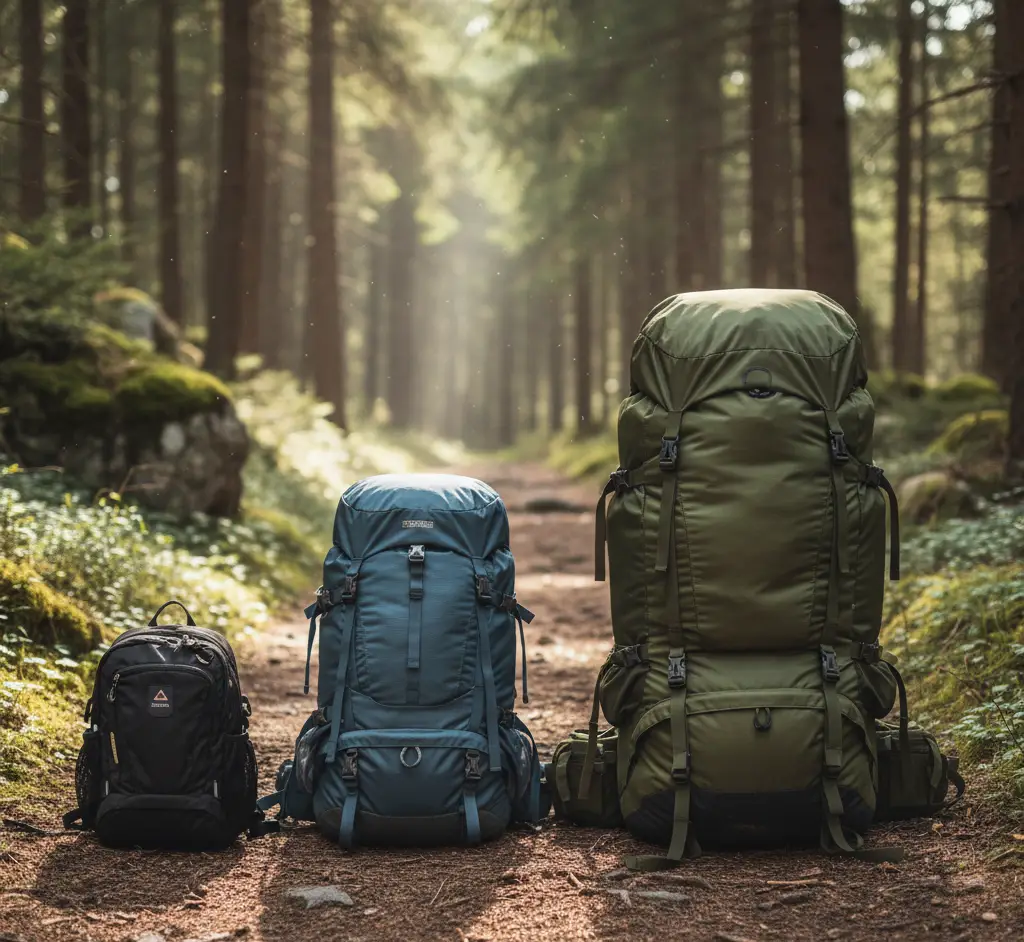
Best Rucksacks for Hiking and Wild Camping UK 2026
Best rucksacks and backpacks for hiking and camping in the UK 2026. Day packs to multi-day expedition rucksacks compared.