This page contains affiliate links. If you purchase through them we may earn a small commission at no extra cost to you. Learn more
Wild Camping & Campsites in the UK — The Complete Guide
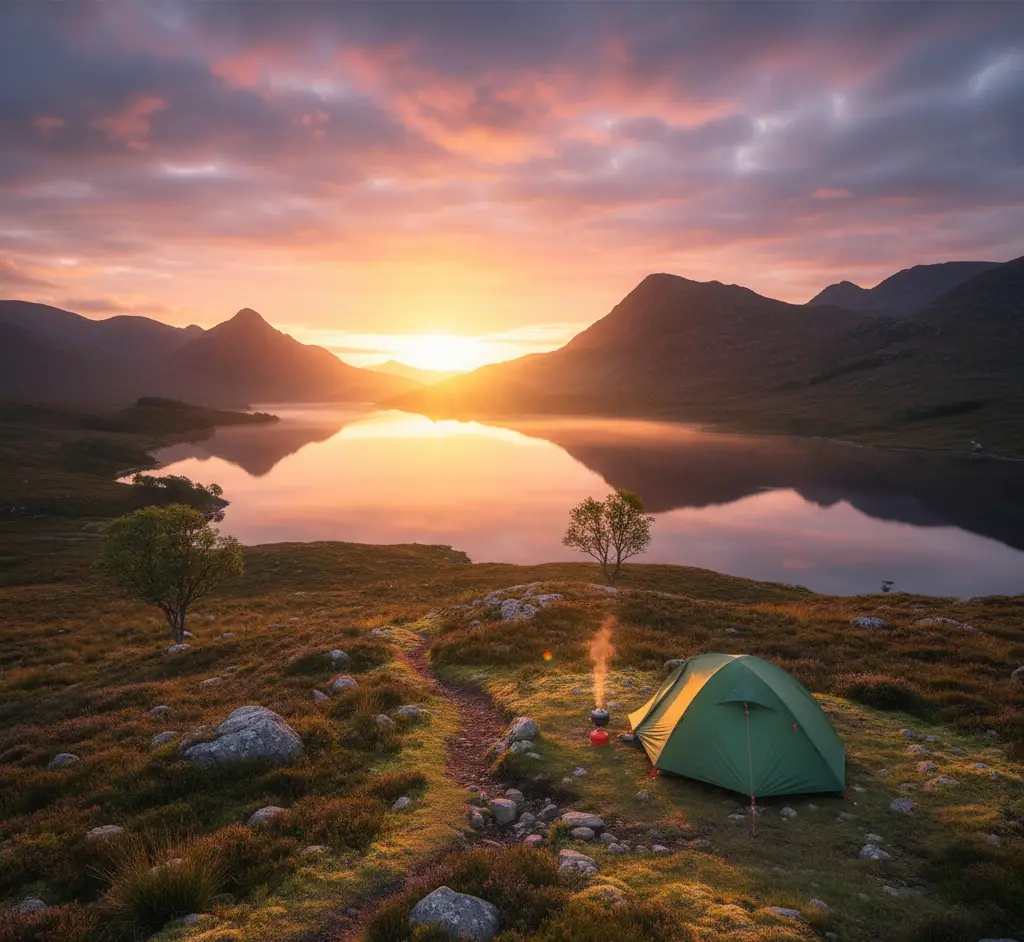
Wild Camping & Campsites in the UK — The Complete Guide
There's something about pitching a tent on a hillside with nobody else around — just you, the view, and whatever you've got in your rucksack. Wild camping strips away the noise and gets you closer to the landscape than any holiday park ever could.
But wild camping in the UK isn't always straightforward. The law varies depending on which country you're in, landowners have different attitudes, and there are unwritten rules that keep this whole thing working for everyone.
This guide covers everything — the legal picture, where to go, how to do it right, and why we built this site in the first place.
What Is Wild Camping?
Wild camping means sleeping outdoors away from official campsites — on open hillsides, in woodland, beside lochs and lakes, or on moorland. It's not the same as "free camping" in a car park or pitching up on a beach with a speaker blasting.
Done properly, wild camping is quiet, respectful, and temporary. You arrive late in the evening, sleep, and leave early the next morning with zero trace you were ever there.
It's the simplest form of outdoor overnight adventure. No booking, no facilities, no electric hook-up. Just you and the landscape.
The Legal Picture
Here's where it gets interesting — and where a lot of people get confused.
Scotland
Scotland is the good news story. The Land Reform (Scotland) Act 2003 gives everyone a statutory right of access to most land and inland water for recreational purposes — including wild camping. This is often called the "right to roam."
There are conditions. You must:
- Camp in small numbers
- Stay only for short periods (two or three nights in any one place)
- Keep well away from buildings, roads, and enclosed fields
- Take all your litter with you
- Don't light fires on peaty ground or during dry conditions
The Scottish Outdoor Access Code sets out the details. It's not a free-for-all — it's a right that comes with responsibilities.
England and Wales
In England and Wales, wild camping without the landowner's permission is technically trespass. Trespass is a civil matter, not criminal — so you won't get arrested, but you can be asked to leave.
There are a few exceptions and grey areas:
- Dartmoor has had a legal right to wild camp in designated areas, though this has been subject to recent legal challenges and new bylaws. Check the current situation before heading out.
- Some areas have a long tradition of tolerating responsible wild camping — the Lake District fells, parts of Snowdonia, and high ground in the Pennines. This tolerance depends on campers behaving well.
- Bothies are a separate category — maintained shelters you can use for free (more on those later).
The key phrase is "tolerated, not permitted." If you camp responsibly on high ground, away from habitation, arrive late, leave early, and leave no trace — you're unlikely to have any issues.
Northern Ireland
Wild camping in Northern Ireland is technically trespass, similar to England and Wales. There's no equivalent of Scotland's right to roam legislation. However, responsible wild camping in remote areas is generally tolerated.
Why Wild Camping Matters
Wild camping isn't just about saving money on campsite fees — though that's a nice bonus. It's about:
- Access to nature — spending a night outdoors connects you to the landscape in a way day trips can't match
- Mental health — there's growing evidence that time in nature, especially overnight, reduces stress and improves sleep quality
- Self-reliance — carrying everything you need on your back builds genuine confidence
- Exploration — wild camping opens up routes and areas that day walks can't reach
- Simplicity — stripping things back to the basics is genuinely refreshing
The Golden Rules
Whether you're wild camping in Scotland where it's legal or in England where it's tolerated, these rules apply everywhere:
1. Leave No Trace
This is the big one. If everyone who wild camped left no trace, there'd be far fewer problems. That means:
- Pack out all rubbish, including food waste
- Don't dig trenches or move rocks
- Use a stove rather than lighting fires
- If you must go to the toilet, dig a cathole at least 30 metres from water and bury it properly
- Leave the spot exactly as you found it
2. Pitch Late, Leave Early
The ideal wild camp involves arriving after 7pm and leaving before 9am. You're not setting up a base camp — you're passing through and sleeping along the way.
3. Be Discreet
Use a muted-colour tent. Don't set up right next to a path. Keep noise to a minimum. The best wild camp is one nobody else knows happened.
4. Respect the Land
Avoid enclosed fields, land with crops, and anywhere near livestock during lambing season (March to May). Stay well away from houses and farm buildings. If someone asks you to move, be polite and go.
5. Manage Fire Responsibly
In most cases, don't light one. If conditions allow and you're in an area where fires are acceptable, use an existing fire ring, keep it small, and make sure it's fully extinguished before you leave. Never light fires on peat.
What You Need to Get Started
Wild camping doesn't require a massive investment. At minimum, you need:
- A tent or shelter — lightweight backpacking tents start from around £100. Tarps are even cheaper.
- A sleeping bag — rated to at least the temperatures you'll encounter. In the UK, a three-season bag covers most situations.
- A sleeping mat — insulation from the ground matters more than most people realise.
- A rucksack — 50-65 litres is the sweet spot for most overnight trips.
- Cooking gear — a simple gas stove, pot, and spork.
- Water — carry at least a litre, plus purification tablets or a filter if you're sourcing from streams.
- Navigation — a map, compass, and the knowledge to use them. Phone GPS is useful but batteries die.
You don't need to buy everything at once. Start with what you have and upgrade as you learn what matters to you. Plenty of people do their first wild camp with borrowed kit.
Where to Start
If you've never wild camped before, pick somewhere with a bit of a safety net:
- Scotland — legal, welcoming, and stunningly beautiful. The Highlands are the classic choice but anywhere works.
- Dartmoor — one of the few places in England where wild camping has legal backing (check current bylaws).
- Lake District high fells — well-established tolerance for responsible camping above the valley floor.
Start with a short walk in — an hour or two from the car. Pick a clear night with a good forecast. Don't make your first wild camp a storm-battered epic on a remote ridge.
About This Guide
We built the wild camping section of Survivals to be genuinely useful. You'll find area guides covering the best regions for wild camping across the UK, seasonal guides to help you camp comfortably year-round, and practical guides covering everything from solo camping to hammock setups.
We describe areas, not exact pitches. Part of wild camping is the exploration — finding your own spot is half the adventure. Sharing exact GPS coordinates online leads to overuse and damage, which ruins it for everyone.
The Wild Camping Community
Wild camping in the UK has grown enormously in the last few years. That's mostly a good thing — more people getting outdoors, more people understanding why access matters.
But growth brings problems. Some popular spots have seen increased litter, fire damage, and overcrowding. The best thing you can do for the wild camping community is camp responsibly, educate newcomers gently, and leave every spot better than you found it.
If you're new to this, welcome. If you're experienced, keep setting the standard. Wild camping in the UK only works if we all play our part.
Laws and bylaws change. Always check the current legal situation for your specific area before heading out. What was tolerated last year might not be this year — and vice versa.
What to Read Next
If you're just getting started, head to our beginner's guide to wild camping for a step-by-step walkthrough. For specific regions, check out our area guides — Scotland, the Lake District, Snowdonia, Dartmoor, and more.
Recommended Starter Gear
If you're just getting started with wild camping, these three items are the best value entry point.
Vango Nevis 200 Tent
Amazon UK2.5kg
2
3
42 x 14cm
Pros
- +Best budget tent for wild camping beginners
- +Handles UK weather reliably
- +Easy to pitch — even in fading light
Cons
- −Heavier than ultralight alternatives
The tent most wild campers start with — and many come back to. Reliable, affordable, and genuinely fit for purpose.
View dealAffiliate link — we may earn a small commission at no extra cost to you
Trespass Doze 3-Season Sleeping Bag
Amazon UK-3°C
Hollow fibre
1.5kg
Mummy
Pros
- +Covers spring through autumn comfortably
- +Synthetic fill handles UK dampness
- +Compression sack included
Cons
- −Heavier and bulkier than down alternatives
A three-season bag that handles most UK wild camping conditions. Upgrade to down once you know you're hooked.
View dealAffiliate link — we may earn a small commission at no extra cost to you
Petzl Tikkina Head Torch
Amazon UK300
81g
3x AAA
65m
Pros
- +Essential for any wild camp — pitching, cooking, toilet trips
- +Simple and reliable
- +Wide beam suits camp tasks
Cons
- −Not rechargeable
You'll use your head torch on every single wild camp. This one is affordable, reliable, and bright enough for everything you need.
View dealAffiliate link — we may earn a small commission at no extra cost to you
And whatever you do, read our leave no trace guide. It's the single most important thing you can do for the future of wild camping in the UK.
Ready to gear up?
Use our kit builder to get a complete packout list tailored to your trip type, terrain, and budget — with prices and buy links.
Related reading
Beginner's Guide to Wild Camping in the UK — Getting Started
A complete step-by-step guide to wild camping for first-timers — what you need, how to find a spot, and how to have a brilliant first night outdoors.
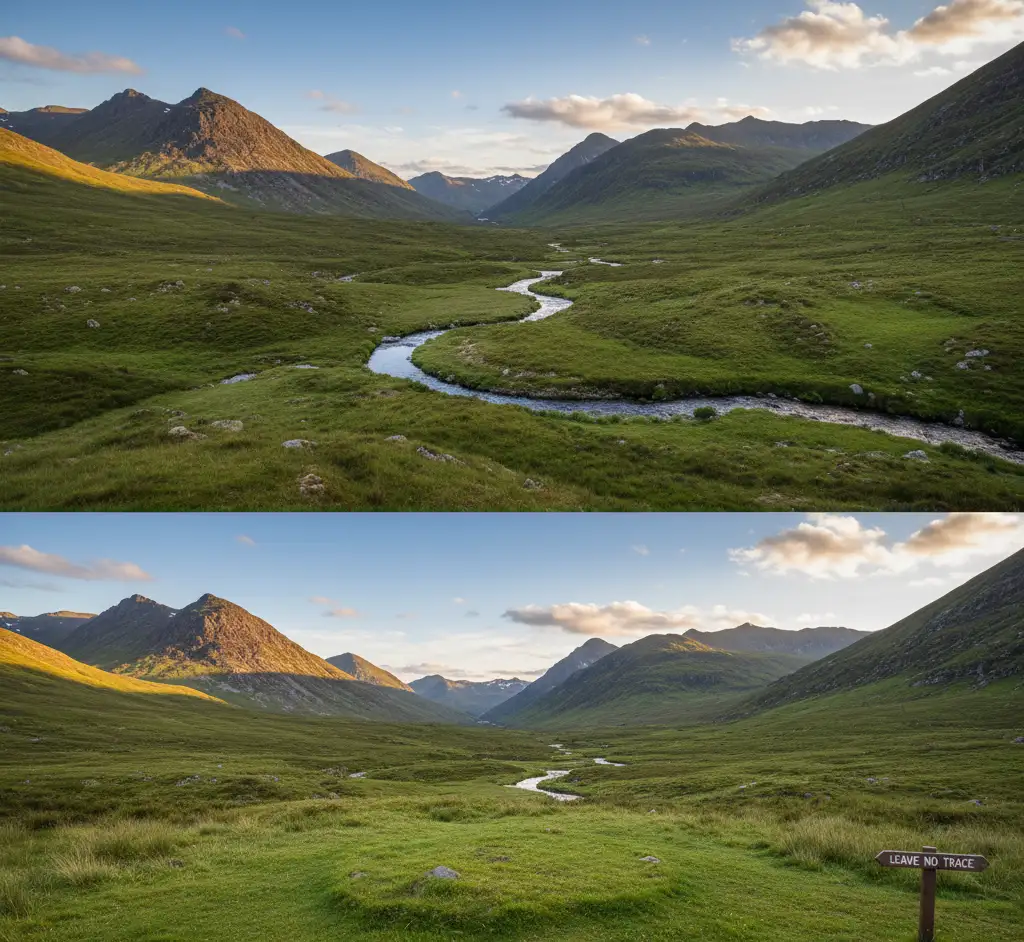
Leave No Trace Camping Guide — Responsible UK Wild Camping
The complete guide to leave no trace camping in the UK. How to camp responsibly and ensure wild places stay wild for everyone who follows.
Free Camping in the UK — Every Legal Option and Wild Spot
All the ways to camp for free legally in the UK — from Scotland's right to roam to bothies, Forestry land, and designated wild camping areas.
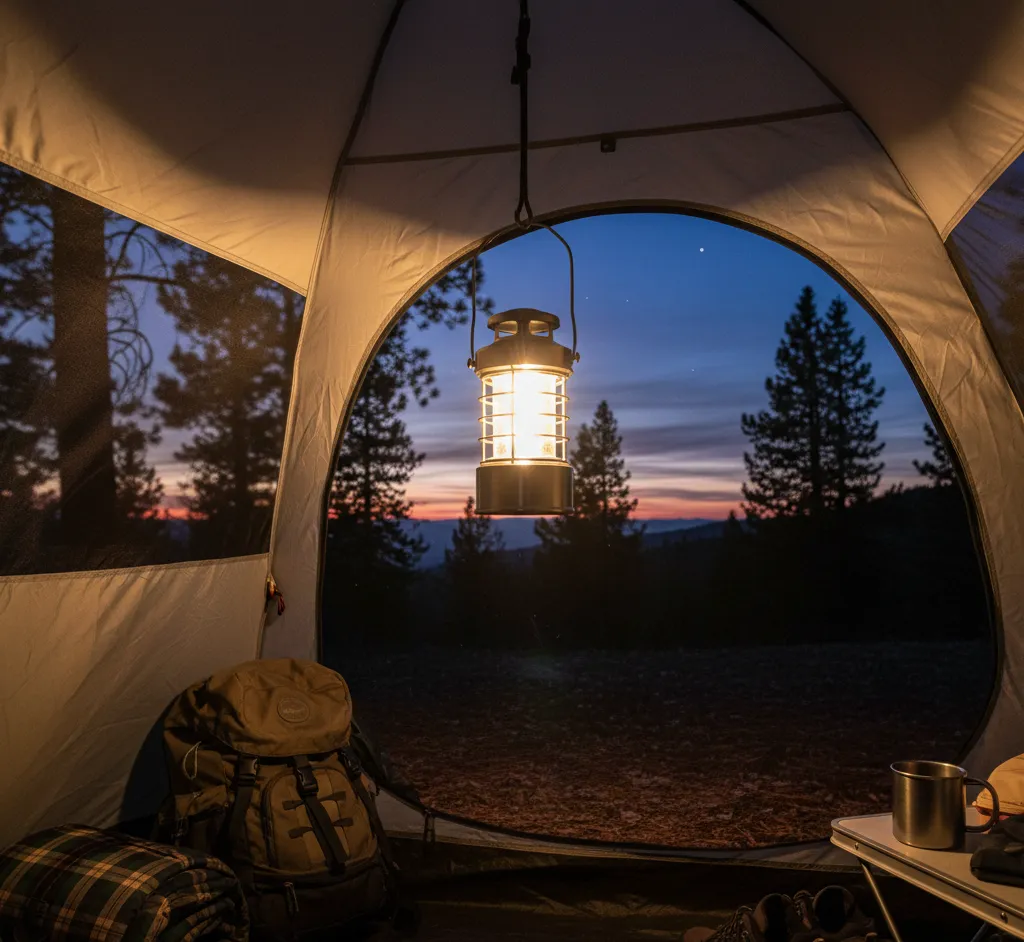
Best Camping Lanterns for UK Campsites and Wild Camps 2026
Best camping lanterns for UK camping in 2026. LED, rechargeable and solar lanterns compared for brightness and battery life.