This page contains affiliate links. If you purchase through them we may earn a small commission at no extra cost to you. Learn more
Hammock Camping Guide for the UK — Setup, Gear and Advice
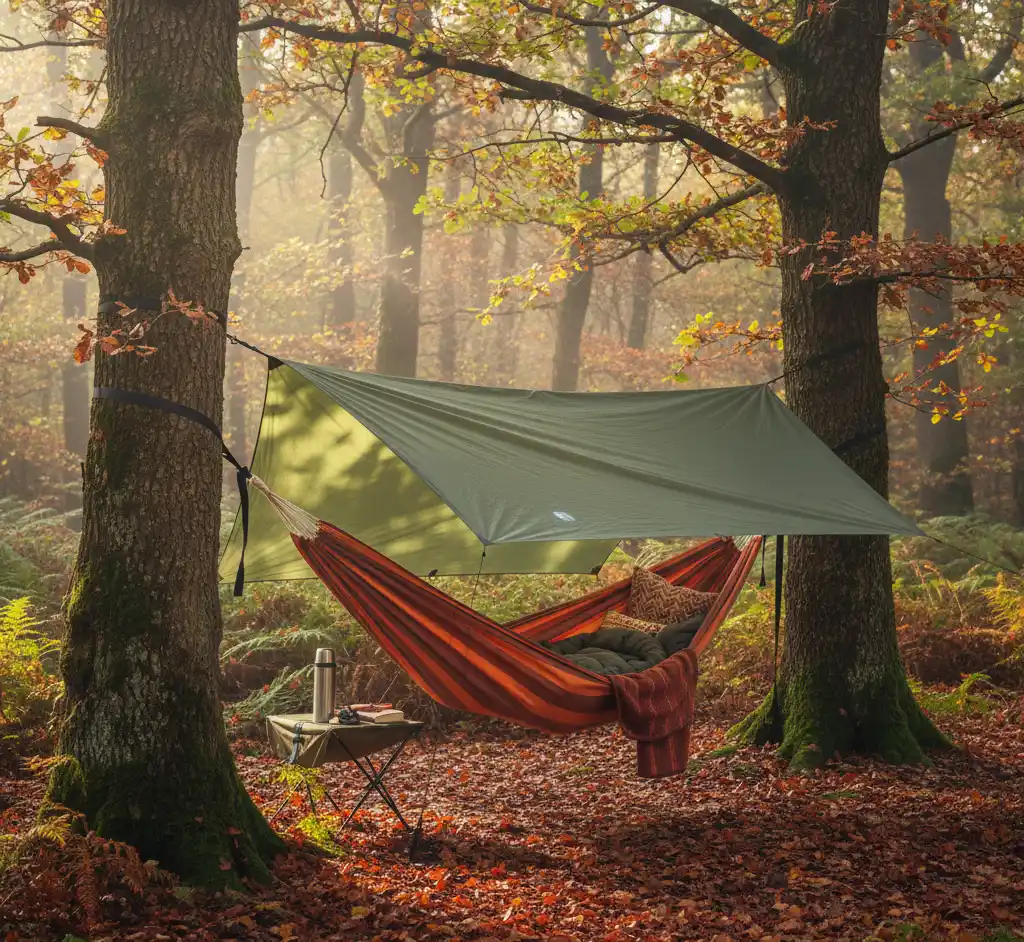
Hammock Camping Guide — UK
Hammock camping splits the outdoor community right down the middle. Devotees swear they'll never go back to a tent. Sceptics think the whole thing is a gimmick. The truth? Hammocks work brilliantly in certain conditions and certain landscapes — and they're genuinely more comfortable than ground sleeping for many people.
Why Hammock Camping?
The Advantages
- Comfort — no ground pressure points, no stones poking your back, no sloping ground. Many people sleep better in a hammock than on the ground.
- Site flexibility — you can hang over rocky, boggy, or uneven ground that would be impossible to pitch a tent on.
- Weight — a complete hammock system can be lighter than a tent setup.
- Speed — experienced hammockers can set up in under five minutes.
- Fun — there's something inherently enjoyable about sleeping suspended between trees.
The Limitations
- You need trees — no trees, no hammock. This rules out mountain tops, moorland, and open grassland.
- Insulation — the air beneath you makes you cold. You need an underquilt or insulated pad.
- Wind — hammocks catch wind more than low-profile tents.
- Two people — hammocks are inherently solo. Couples need separate setups.
- Learning curve — getting the hang angle, insulation, and tarp setup right takes practice.
The Complete Setup
The Hammock
A camping hammock is longer and wider than a garden hammock — typically 2.8-3m long and 1.5m wide. This extra size is essential for comfortable sleeping.
Key features:
- Gathered end design — the standard camping hammock shape. Most versatile.
- Integrated bug net — a zippered mesh enclosure keeps midges and mosquitoes out. Essential for UK summer camping.
- Weight capacity — check the rating. Most handle 100-120kg.
- Material — ripstop nylon is the standard. Lighter versions use thinner fabric.
Budget hammocks start around £30-40. Quality camping hammocks run £80-200.
Suspension
How you hang the hammock is crucial — both for comfort and tree protection.
- Tree straps — wide (25mm+) polyester straps that wrap around the tree. Wide straps distribute pressure and prevent bark damage. Never use rope or cord directly on trees.
- Carabiners or whoopie slings — connect the straps to the hammock.
- Hang angle — aim for a 30-degree angle from horizontal on each side. The hammock should have a gentle curve, not be pulled tight or sagging deeply.
The correct hang angle makes the difference between comfort and misery. Too tight and you'll feel like a banana. Too loose and you'll fold like a taco. A 30-degree strap angle from the tree gives a comfortable, flat lie.
Tarp
Your tarp is your roof — it handles rain, wind, and condensation.
- Size: 3m x 3m is the minimum. Larger tarps (3.5m x 2.5m or bigger) give more coverage in wind-driven rain.
- Shape: Diamond or rectangular are the two main options. Diamond is lighter; rectangular gives more coverage.
- Material: Silnylon or silpoly are the lightweight standards.
- Pitch: In rain, pitch lower and wider. In dry weather, pitch higher for ventilation and views.
Insulation — The Critical Bit
This is where most hammock beginners go wrong. Your sleeping bag is compressed beneath you by your body weight, which means it provides almost no insulation on your underside. The air gap below the hammock means convective heat loss is significant.
Solutions:
- Underquilt — an insulated layer that hangs beneath the hammock, outside the fabric. This is the gold standard. Temperature-rated like sleeping bags. From £60-200+.
- Sleeping pad inside the hammock — cheaper but can shift around. An inflatable pad works but needs securing.
- Combination — a thin pad plus a light underquilt for maximum warmth.
In summer (June to August) at low altitude, you might get away without underside insulation. Any other time, you need it.
Without underside insulation, you will get cold — even in summer at altitude. Your sleeping bag is compressed flat beneath you and provides almost no warmth. An underquilt or pad is essential for three-season hammock camping.
Where Hammock Camping Works in the UK
Woodland and Forest
The natural habitat for hammock camping. The UK has excellent woodland camping options:
- Ancient oakwoods in the Lake District and Wales
- Scottish pine forests
- Forestry Commission plantations (check access rules)
- Mixed deciduous woodland across England
Sheltered Valleys
Valley sides with scattered trees work well — you get the trees for hanging and often better shelter from wind than exposed woodland.
River and Loch Sides
Waterside trees provide great hammock locations. Camp above any flood level and consider midges near water in summer.
Where It Doesn't Work
- Above the treeline (obviously)
- Open moorland
- Exposed mountain tops and ridges
- Beaches and sand dunes
- Any area without suitable trees
Tree Selection and Care
Choosing Trees
- Trees should be alive, healthy, and at least 15cm diameter (roughly the width of your outstretched hand)
- Avoid dead trees or trees with dead branches overhead
- Spacing of 3.5-5m between trees is ideal
- Check for overhead hazards (dead branches, particularly in beech trees)
Protecting Trees
- Always use wide tree straps — at least 25mm wide
- Never use rope, cord, or wire — these cut into bark and damage the tree
- Don't strip bark or break branches for your setup
- Move on after one or two nights — even with straps, extended use can mark bark
Setting Up
- Choose your trees — correct spacing, healthy, with good overhead clearance
- Wrap straps around each tree at roughly head height (adjust after testing)
- Attach the hammock and sit in it to test the height and angle
- Adjust strap height — your bum should be about chair-seat height off the ground when sitting in the hammock
- Pitch your tarp — ridgeline between the trees, sides guyed out
- Attach underquilt beneath the hammock
- Get in diagonally — lying slightly diagonal gives a flatter sleeping position
Tips for Better Sleep
- Lie diagonally — not straight along the length. This gives a flatter, more comfortable position.
- Slight head elevation — adjust straps so the head end is slightly higher than the foot end.
- Knee pillow — a rolled-up jacket under your knees can ease back tension.
- Drip lines — tie short cords on your suspension lines to direct rainwater away from the hammock.
- Practice at home — hang your hammock in the garden and spend a night. Work out the kinks before heading into the wild.
Hammock vs Tent: When to Choose What
Choose a hammock when:
- Camping in woodland
- Ground is rocky, boggy, or uneven
- You sleep better off the ground
- You're camping solo
Choose a tent when:
- Camping above the treeline
- On exposed, windy ground
- Camping as a couple or group
- No suitable trees available
- You prefer the security of an enclosed shelter
Recommended Hammock Camping Kit
These three items form a complete hammock sleeping system for UK conditions.
DD Hammocks Frontline Hammock
Amazon UK860g
2.7m
1.4m
Integrated mosquito net
Pros
- +Built-in mosquito/midge net is essential for UK summer
- +Tough ripstop nylon
- +Well-priced for the quality
Cons
- −Slightly shorter than some competitors
- −Suspension sold separately
The most popular camping hammock in the UK for good reason — reliable, midge-proof, and excellent value.
View dealAffiliate link — we may earn a small commission at no extra cost to you
DD Hammocks Tarp 3x3
Amazon UK3m x 3m
790g
Polyester 190T
19
Pros
- +Versatile 3x3 size covers hammock plus kit
- +Multiple pitch configurations
- +Affordable and durable
Cons
- −Heavier than silnylon alternatives
A versatile, affordable tarp that handles UK rain well. The 3x3 size gives good coverage over a hammock setup.
View dealAffiliate link — we may earn a small commission at no extra cost to you
DD Hammocks Underblanket
Amazon UK930g
Synthetic insulation
3-season
Most gathered-end hammocks
Pros
- +Eliminates cold bottom syndrome completely
- +Easy to attach and adjust
- +Three-season warmth
Cons
- −Adds weight and bulk to your pack
The difference between a comfortable hammock night and a freezing one. Essential from September to May.
View dealAffiliate link — we may earn a small commission at no extra cost to you
Many experienced campers carry both options or choose based on the terrain they're heading into. There's no wrong answer — just different tools for different situations.
Ready to gear up?
Use our kit builder to get a complete packout list tailored to your trip type, terrain, and budget — with prices and buy links.
Related reading
Lightweight Camping Guide — Going Ultralight in the UK
How to reduce your camping pack weight without sacrificing comfort or safety — practical ultralight tips for UK wild camping.
Beginner's Guide to Wild Camping in the UK — Getting Started
A complete step-by-step guide to wild camping for first-timers — what you need, how to find a spot, and how to have a brilliant first night outdoors.
Wet Weather Camping — How to Camp Comfortably in UK Rain
Practical advice for camping in the rain — site selection, tarps, staying dry, and keeping morale high when the weather turns.
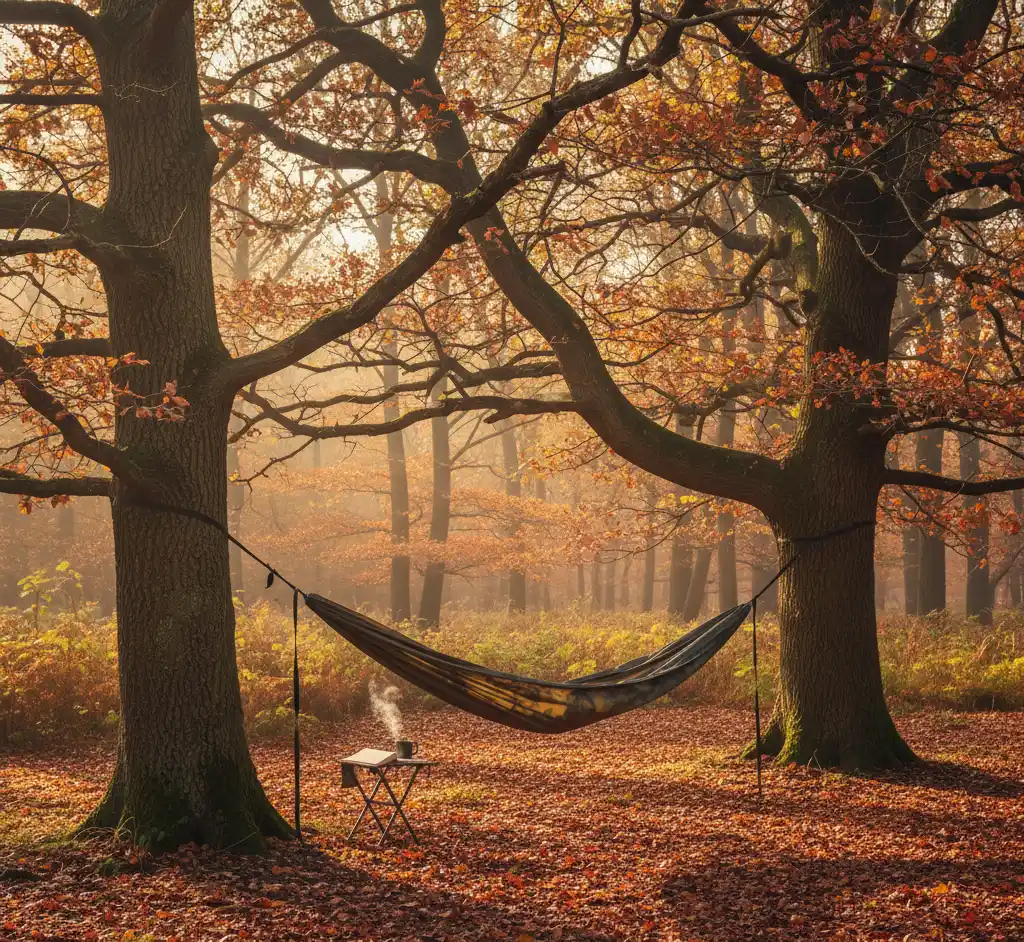
Best Camping Hammocks for UK Woodland Camping 2026
Best camping hammocks for the UK. Lightweight hammocks with tarps, bug nets and underquilts for comfortable hammock camping.