This page contains affiliate links. If you purchase through them we may earn a small commission at no extra cost to you. Learn more
Best Wild Camping in the Lake District — Spots and Advice
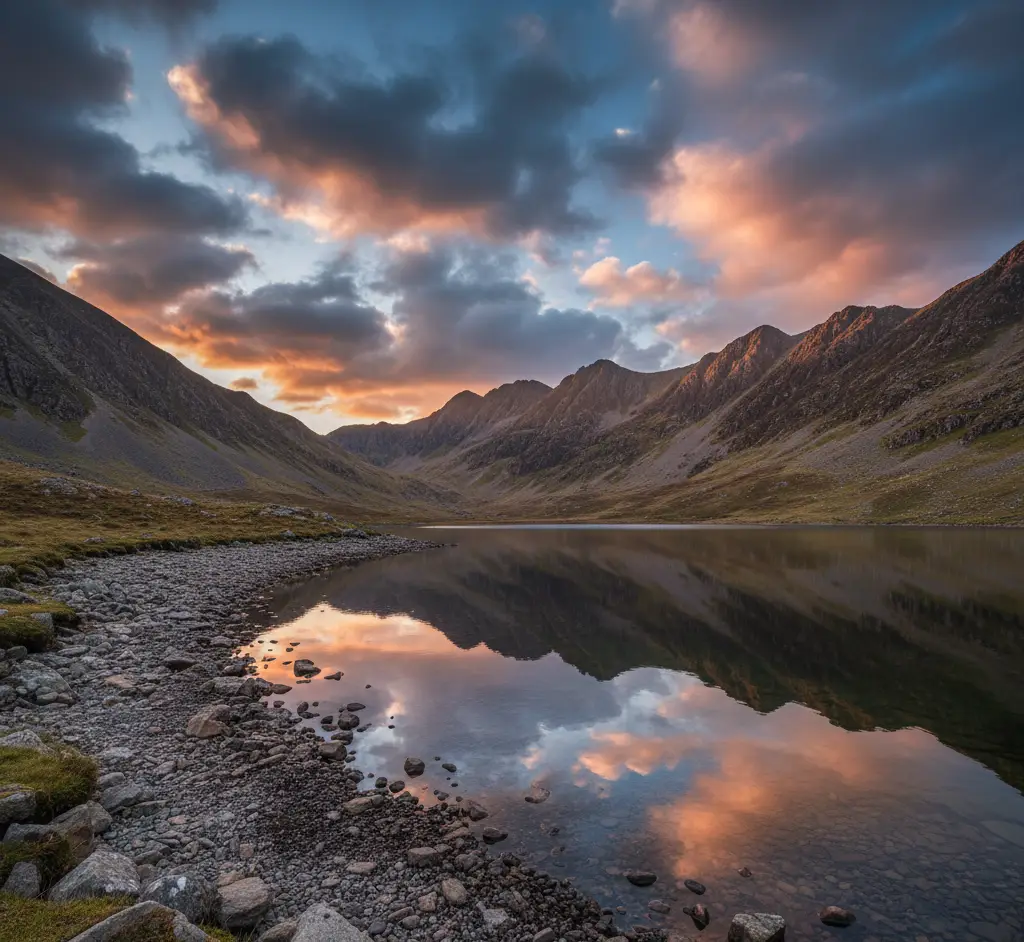
Best Wild Camping in the Lake District
The Lake District is one of England's most popular wild camping areas — and one of its most beautiful. While wild camping isn't legally permitted here, there's a long tradition of tolerating responsible campers on the higher fells. Get it right, and you'll have some of the finest overnight experiences in the country.
The Legal Position
Wild camping in England is technically trespass — a civil rather than criminal matter. In the Lake District, the National Park Authority has historically taken a pragmatic approach: if you camp responsibly on high ground, away from roads, buildings, and the valley floor, you're unlikely to have problems.
This tolerance depends entirely on campers behaving well. Litter, fire damage, and camping in the wrong places erode goodwill and make the situation worse for everyone.
The unwritten rules:
- Camp above the intake wall (the wall that marks the boundary between enclosed farmland and open fell)
- Pitch late in the evening, leave early in the morning
- Use a single, small tent in a muted colour
- Leave absolutely no trace
- Never light a fire
- Avoid camping near tarns that are water supplies
Best Areas for Wild Camping
The Central Fells
The area around the Langdale Pikes, Bowfell, and the Scafell range offers classic high-level camping. The terrain is rocky and dramatic, with plenty of relatively flat spots on cols and plateaux.
Esk Hause, the crossroads of the central fells, has been a wild camping spot for decades. It's high, exposed, and can be windy — but the sunrise views are outstanding.
Best for: Those comfortable on high ground with reasonable mountain experience.
The Western Fells
The western fells are generally quieter than their eastern counterparts. Areas around Pillar, Great Gable, and Haystacks see fewer visitors and offer excellent camping.
Haystacks was Wainwright's favourite mountain, and it's easy to see why. The summit area has several small tarns and sheltered spots.
Best for: Those wanting more solitude without extreme terrain.
The Far Eastern Fells
High Street and the surrounding ridges offer broad, grassy camping with gentler terrain than the central fells. The Roman road along the ridge is a natural route with good spots along its length.
These fells feel different from the craggy central mountains — more rolling, more spacious, and often quieter.
Best for: Those who prefer gentler terrain and long ridge walks.
The Northern Fells
Blencathra and Skiddaw dominate the northern skyline. Both are popular day walks but see fewer overnight campers. The saddle between them offers sheltered camping with dramatic views south towards the central fells.
Best for: Accessible high-level camping with relatively easy approaches.
The quietest spots are usually away from the most popular walking routes. If you can see crowds during the day, it's probably not the best camping spot. Head to where fewer people go.
When to Go
Spring (March to May): Quieter than summer, longer days arriving, but nights can still be very cold on the fells. Snow is possible into April on high ground.
Summer (June to August): Warmest and driest (relatively — this is the Lake District). Long days give you plenty of time to pitch. But popular areas get busy, especially bank holiday weekends.
Autumn (September to November): Stunning colours in the valleys, crisp clear nights, fewer people. Weather becomes more unsettled and days shorten quickly.
Winter (December to February): The fells can hold snow and ice. Only for those with proper winter mountain experience. Short days mean early starts and late finishes in the dark.
Practical Tips
Water
The Lake District has plenty of water, but not all of it is safe to drink untreated. Tarns can contain bacteria from sheep and wildlife. Running streams higher up are generally safer, but carrying purification tablets or a filter is sensible.
Some tarns are water supplies — don't camp near these or wash in them. If in doubt, choose running water over still.
Weather
The Lake District is one of the wettest places in England. Seathwaite in Borrowdale regularly records the highest rainfall in the country. Be prepared for rain at any time of year.
Wind on the high fells can be ferocious. Check the forecast and choose a sheltered spot — the lee side of a ridge, a slight dip in the terrain, or behind a natural windbreak.
Lake District weather changes fast. A clear morning can become a whiteout by afternoon, especially on the higher fells. Always carry waterproofs and have navigation skills beyond relying on your phone.
Getting There
The Lake District is well connected by the M6 motorway. Windermere has a train station, and buses run through the main valleys. However, reaching wilder starting points usually requires a car.
Parking can be a real problem in peak season, especially in Langdale, Borrowdale, and around Wasdale. Arrive early or consider less popular starting points.
Navigation
Many Lake District paths are well-trodden and easy to follow in clear conditions. But cloud descends quickly and the terrain looks very different in poor visibility. A map and compass are essential — the Harvey Superwalker maps at 1:25,000 are ideal.
Camping Responsibly
The Lake District's tolerance of wild camping is not guaranteed to continue. Increasing visitor numbers and poor behaviour have caused problems in some areas. To keep wild camping viable:
- No fires. Ever. The fells have thin peat soils that burn easily and take decades to recover.
- No litter. Pack everything out, including food waste. Banana skins take years to decompose at altitude.
- Use a trowel. Dig a cathole at least 30cm deep and 50 metres from water for toilet stops.
- Be invisible. If you camp well, nobody should know you were there.
- Respect other users. You're sharing the fells with walkers, runners, and farmers.
What to Read Next
Recommended Gear for the Lake District
The Lake District's wet weather and high fells demand reliable waterproofing and navigation.
Berghaus Paclite 2.0 Waterproof Jacket
Amazon UK290g
Gore-Tex Paclite
28,000mm
High
Pros
- +Lightweight enough for the walk in
- +Genuinely waterproof for England's wettest national park
- +Packs small for your rucksack
Cons
- −Not the cheapest waterproof jacket
You're camping in the wettest part of England. A proper waterproof is the single most important kit investment.
View dealAffiliate link — we may earn a small commission at no extra cost to you
Vango Nevis 200 Tent
Amazon UK2.5kg
2
3
42 x 14cm
Pros
- +Good wind resistance for fell-top camping
- +Budget-friendly for beginners
- +Reliable in Lake District conditions
Cons
- −Heavier than ultralight options for long approaches
A dependable budget tent for Lake District fell camping. Won't let you down in wind and rain.
View dealAffiliate link — we may earn a small commission at no extra cost to you
If you're new to wild camping, start with our beginner's guide. For lightweight setups that make the walk in easier, check our lightweight camping guide. And for managing the inevitable rain, see our wet weather camping guide.
Ready to gear up?
Use our kit builder to get a complete packout list tailored to your trip type, terrain, and budget — with prices and buy links.
Related reading
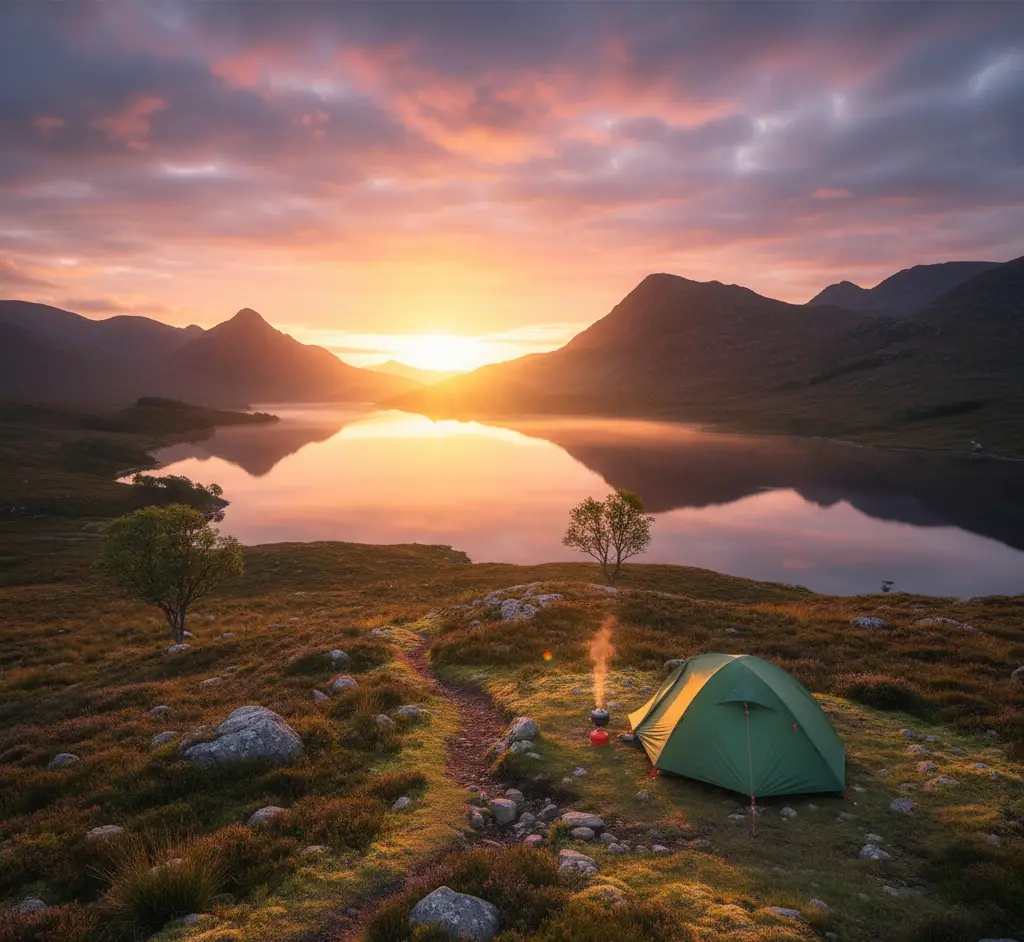
Wild Camping & Campsites in the UK — The Complete Guide
Everything you need to know about wild camping in the UK — where it's legal, where it's tolerated, and how to do it responsibly.
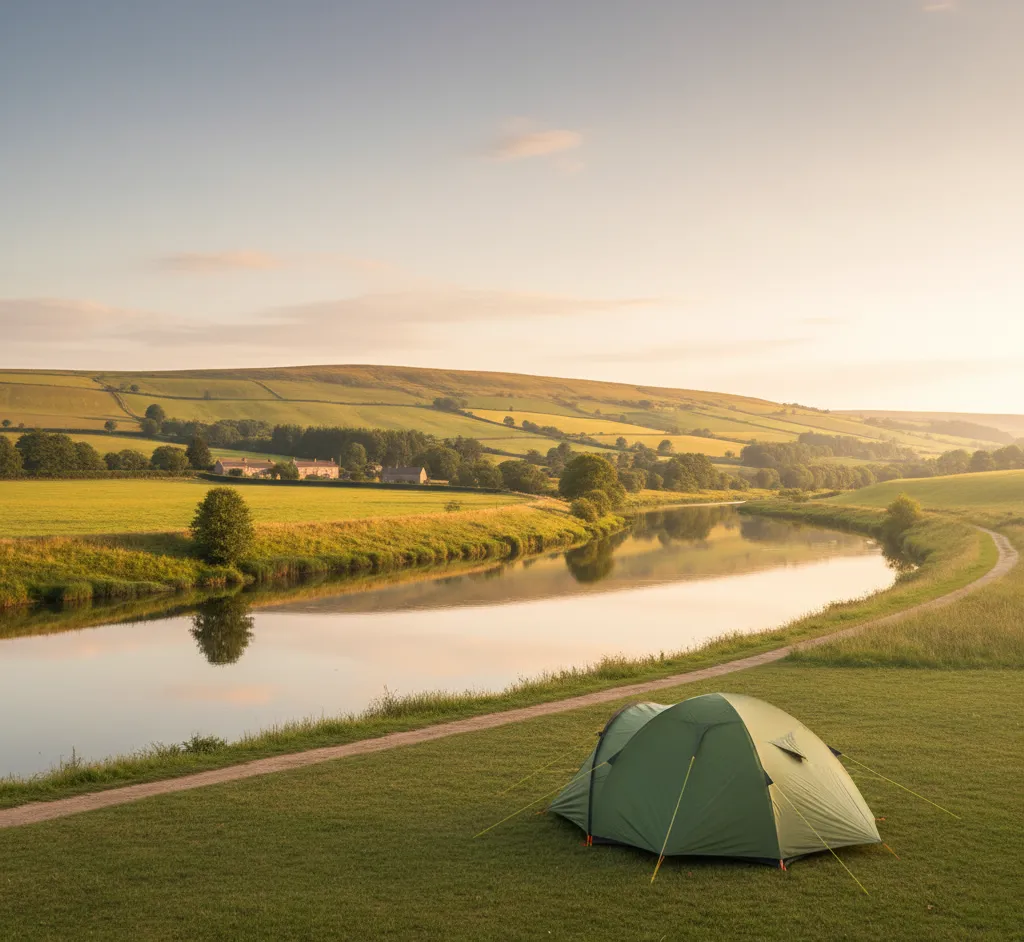
Beginner's Guide to Wild Camping in the UK — Getting Started
A complete step-by-step guide to wild camping for first-timers — what you need, how to find a spot, and how to have a brilliant first night outdoors.
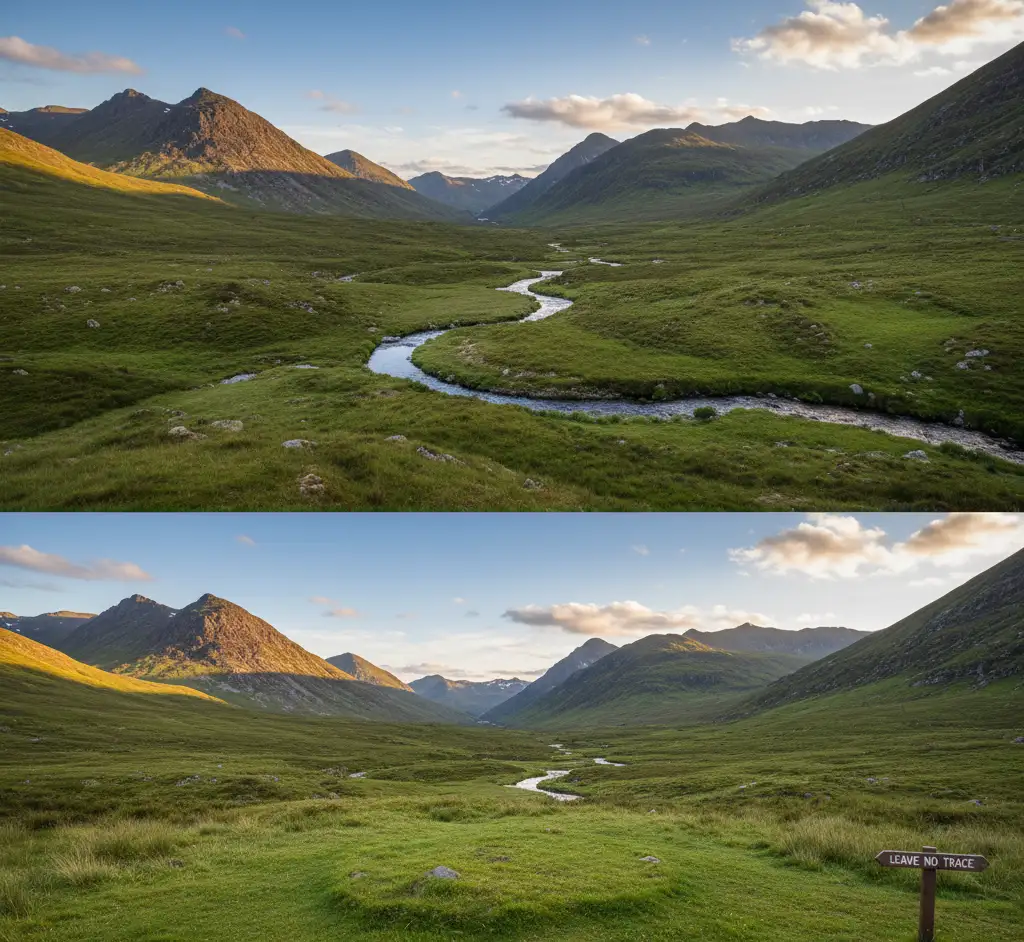
Leave No Trace Camping Guide — Responsible UK Wild Camping
The complete guide to leave no trace camping in the UK. How to camp responsibly and ensure wild places stay wild for everyone who follows.
Best Rucksacks for Hiking and Wild Camping UK 2026
Best rucksacks and backpacks for hiking and camping in the UK 2026. Day packs to multi-day expedition rucksacks compared.