This page contains affiliate links. If you purchase through them we may earn a small commission at no extra cost to you. Learn more
Best Wild Camping in the North Pennines — Routes and Spots
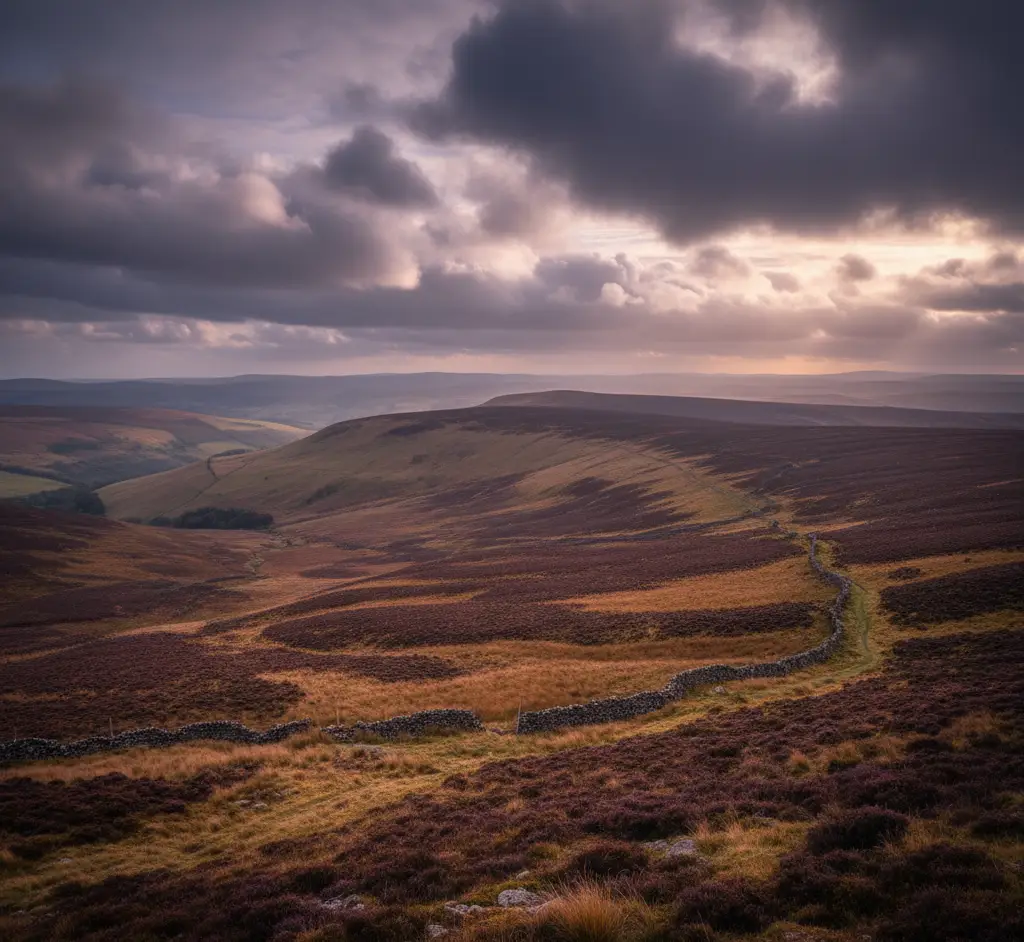
Best Wild Camping in the North Pennines
The North Pennines are England's forgotten wilderness. While the Lake District, Peak District, and Yorkshire Dales draw millions of visitors, the North Pennines sit quietly between them — vast, empty, and barely visited. If you want genuine solitude on a wild camp, this is your area.
Why the North Pennines?
The North Pennines Area of Outstanding Natural Beauty covers 2,000 square kilometres of moorland, dale, and fell between the Yorkshire Dales and Northumberland. It's also a UNESCO Global Geopark.
Despite all these designations, it sees a fraction of the visitors that neighbouring areas attract. That's the appeal — you can walk all day and camp all night without seeing another soul.
The landscape is open moorland, deep dales with rivers running through them, and the high Pennine ridge forming the backbone of England. It's not dramatic in the way the Lake District is — it's vast, rolling, and quietly beautiful.
Best Areas
Cross Fell and the Pennine Ridge
Cross Fell is the highest point in the Pennines at 893m — higher than any Lake District fell except Scafell Pike and its immediate neighbours. The summit plateau is broad, windswept, and often covered in cloud.
The ridge running south from Cross Fell through Great Dun Fell and Knock Fell is classic Pennine terrain. The Pennine Way follows it, but you'll see far fewer walkers here than on the more southern sections.
Best for: High-level camping with a sense of being on the roof of England.
Upper Teesdale
The headwaters of the Tees are a botanical wonderland — rare Arctic-Alpine plants survive here from the last Ice Age. High Force and Cauldron Snout are dramatic waterfalls, and the moorland above them is excellent camping country.
The area around the Tees head, where the river begins its journey, offers remote and beautiful camping.
Best for: Those interested in natural history combined with wild camping.
Upper Teesdale is home to some of Britain's rarest plants — the Teesdale violet, spring gentian, and bird's-eye primrose all grow here. Tread carefully and stick to paths where they exist.
Weardale
Weardale runs east from the high Pennines, and its upper reaches are quiet and wild. The dale sides rise to open moorland that offers spacious camping with shelter available in the upper valleys.
Former lead mining areas add historical interest — engine houses, hush gullies, and spoil heaps dot the landscape.
Best for: Combining industrial archaeology with wild camping.
Alston Moor
Alston claims to be England's highest market town, and the surrounding moor is vast and empty. The terrain is classic North Pennines — heather moorland, peat, and open sky stretching to the horizon.
Best for: Accessible wild camping from a town base. Alston has shops and pubs for restocking.
Cow Green and the Tees Headwaters
The reservoir at Cow Green sits at the edge of the high Pennines, with moorland stretching away in every direction. The area beyond the reservoir towards the Tees source is genuinely remote — proper wild country.
Best for: A starting point for exploring the high Tees country.
Conditions
Weather
The North Pennines are exposed. Cross Fell is notorious for the Helm Wind — England's only named wind, a fierce northeast blast that funnels down the western escarpment. It's not constant, but when it blows, it's formidable.
Rain is frequent, wind is common, and temperatures at altitude are significantly lower than in the surrounding valleys.
Terrain
Open moorland dominates — heather, peat, and rough grass. Bog is common, particularly on the high plateau. Finding dry pitches requires some care.
The dales are more sheltered but are farming country — stick to open moorland for camping.
Navigation
The North Pennines in poor visibility are challenging. The terrain is featureless in many areas, and paths can be faint or non-existent. Map and compass skills are essential.
The North Pennines are more remote than many people expect. Mobile signal is patchy at best, and help can be a long way away. Don't come here without proper navigation skills and self-sufficiency.
Wildlife
The North Pennines are a stronghold for upland birds — curlew, golden plover, merlin, and short-eared owl all breed here. England's last remaining population of black grouse is found in the area.
During nesting season (April to July), be mindful of ground-nesting birds. If you see birds behaving as though injured (feigning to draw you away), move on — there's a nest nearby.
Getting There
The A66 crosses the northern section and the A686 reaches Alston. The area sits between the M6 and A1(M), but internal roads are slow and winding. No railway access.
This isn't somewhere you stumble across — you have to want to come here. That's part of the appeal.
Seasonal Guide
Spring: Ground-nesting birds active — take extra care. Warming temperatures but cold nights still possible.
Summer: Heather in bloom (August) is magnificent. Warmest conditions. Still quiet.
Autumn: Grouse shooting season affects some moorland access (from August 12). Check local restrictions. Golden colours and excellent light.
Winter: Cold, dark, and exposed. Genuine winter conditions on the high ground. For experienced campers only.
Recommended Gear for the North Pennines
The North Pennines' remoteness and exposure demand reliable navigation and proper shelter.
Vango Nevis 200 Tent
Amazon UK2.5kg
2
3
42 x 14cm
Pros
- +Handles the Helm Wind better than you'd expect for the price
- +Easy to pitch on exposed moorland
- +Reliable three-season performance
Cons
- −Heavier than ultralight options
A dependable budget tent for North Pennine moorland camping. Pitch it low behind a wall for shelter from the Helm.
View dealAffiliate link — we may earn a small commission at no extra cost to you
Silva Expedition 4 Compass
Amazon UKBaseplate
1:25,000 and 1:50,000
Yes
Built-in
Pros
- +Essential for featureless North Pennine navigation
- +Luminous markings for early winter darkness
- +Works when your phone doesn't
Cons
- −Useless without map-reading skills
Mobile signal is patchy across the North Pennines. A proper compass is essential kit, not a nice-to-have.
View dealAffiliate link — we may earn a small commission at no extra cost to you
Ready to gear up?
Use our kit builder to get a complete packout list tailored to your trip type, terrain, and budget — with prices and buy links.
Related reading
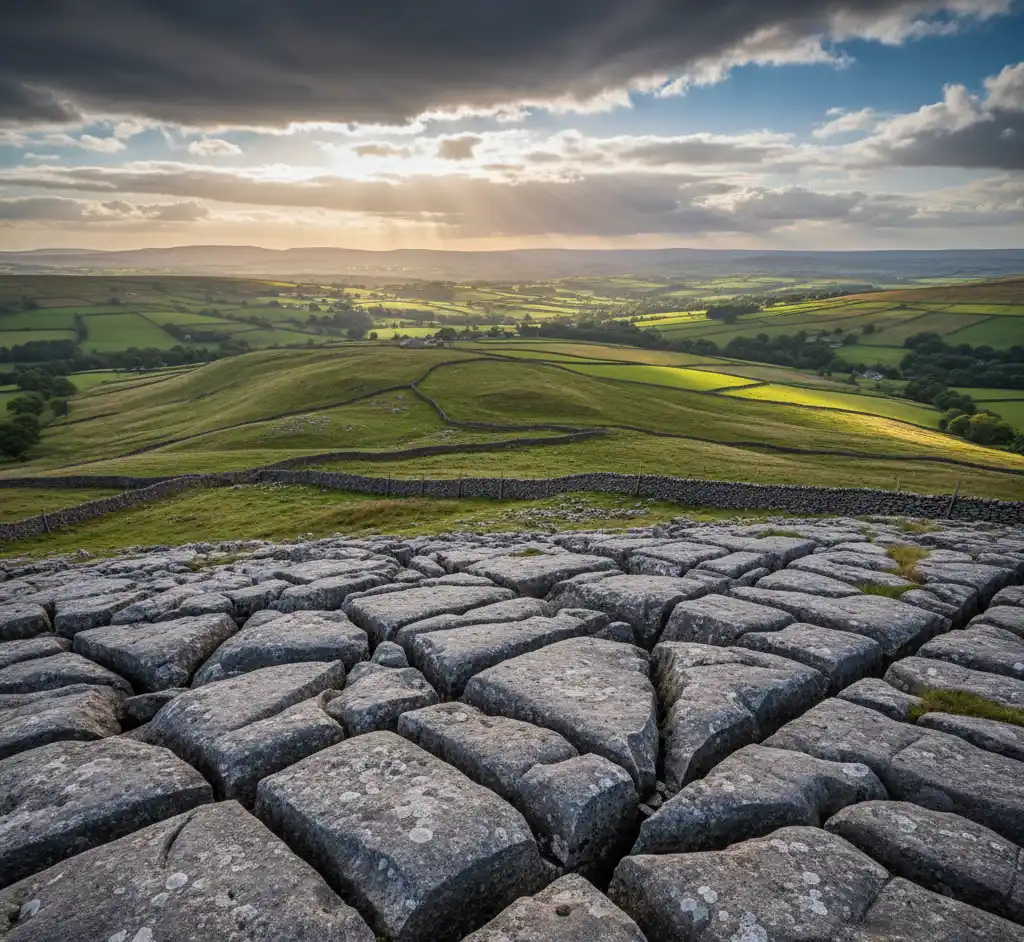
Best Wild Camping in the Yorkshire Dales — Spots and Routes
Wild camping in the Yorkshire Dales — open moorland, limestone landscapes, and quiet valleys where responsible camping is tolerated.

Best Wild Camping in Northumberland and the Cheviots
Wild camping in Northumberland — from the Cheviot Hills to the coast, one of England's quietest and most rewarding wild camping areas.
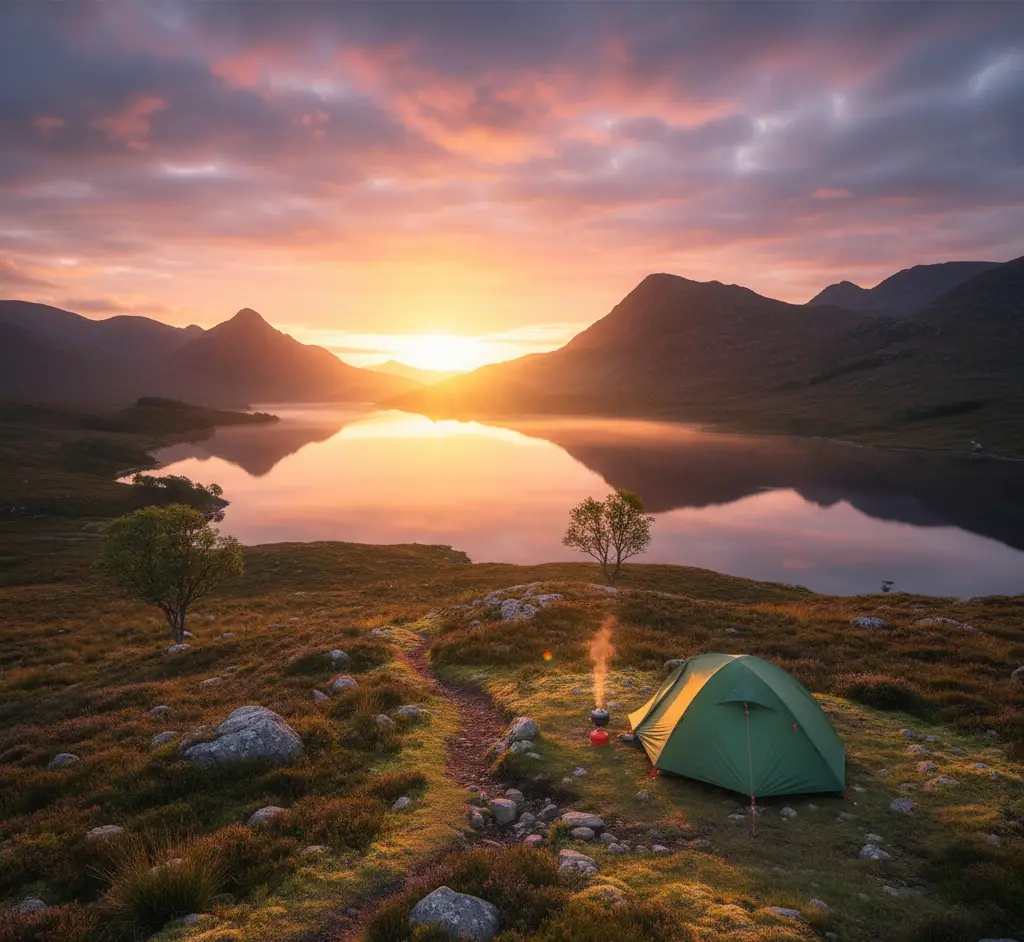
Wild Camping & Campsites in the UK — The Complete Guide
Everything you need to know about wild camping in the UK — where it's legal, where it's tolerated, and how to do it responsibly.
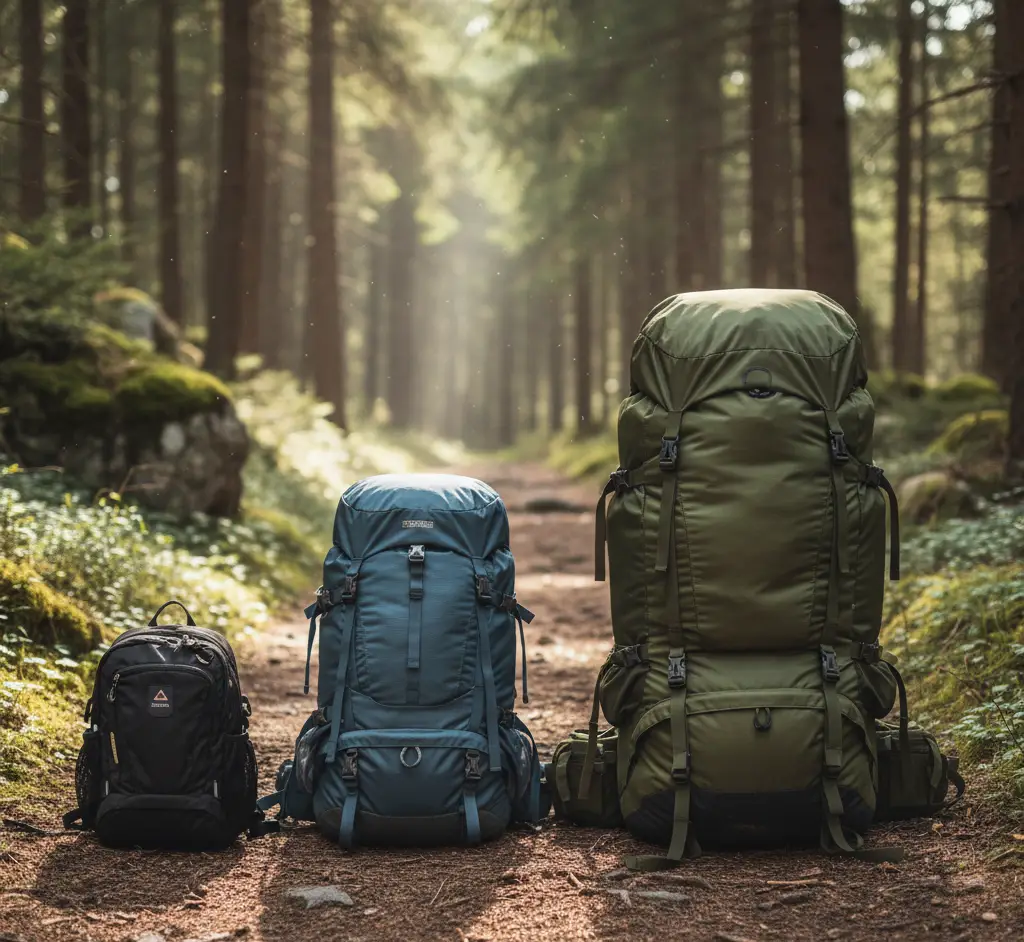
Best Rucksacks for Hiking and Wild Camping UK 2026
Best rucksacks and backpacks for hiking and camping in the UK 2026. Day packs to multi-day expedition rucksacks compared.