This page contains affiliate links. If you purchase through them we may earn a small commission at no extra cost to you. Learn more
Best Emergency Lighting Kits for UK Homes and Camping 2026
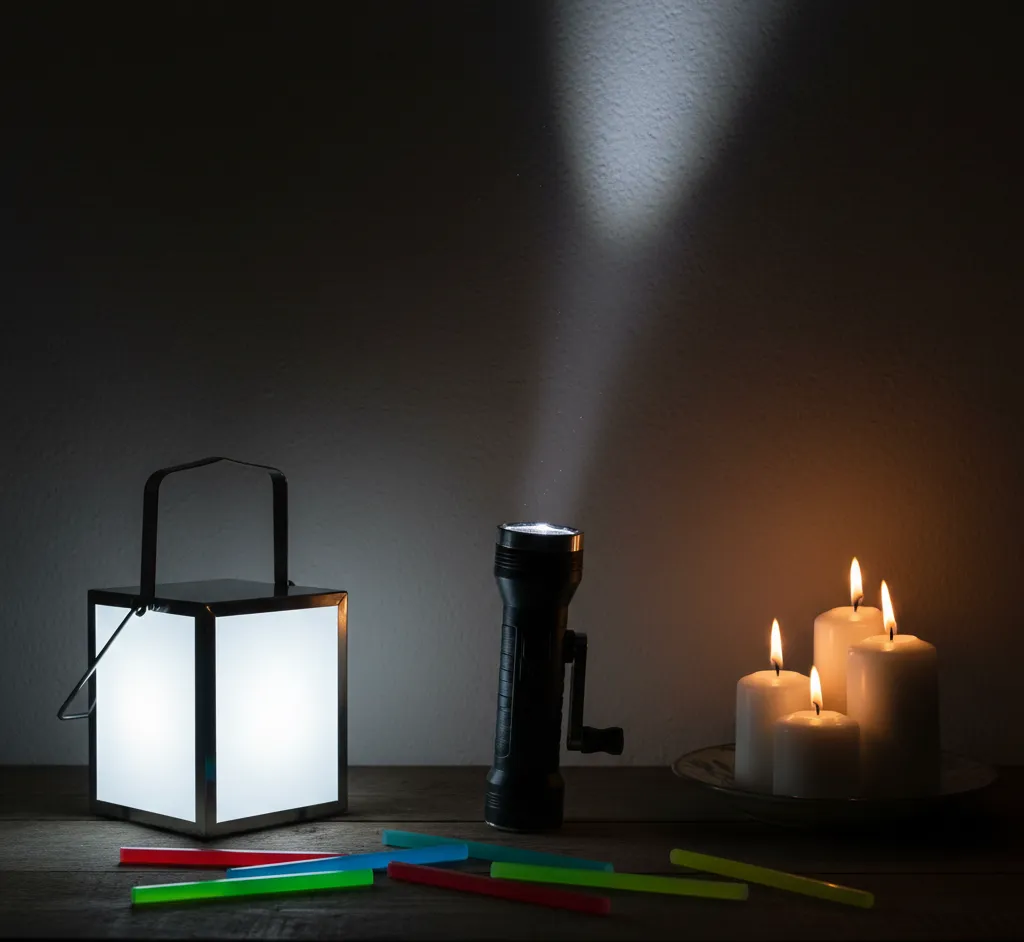
Home Emergency Lighting
When the power goes out at 11pm in December, you need light immediately — not in ten minutes after rummaging through drawers.
Essentials
- 2+ LED torches with spare batteries — keep one by the bed, one by the front door
- Wind-up torch — backup that never needs batteries (~£10)
- Battery lantern — for ambient room light during extended outages
- Candles — long-burning emergency candles with stable holders
- Matches/lighter — for candles, stored with the candles
Recommended Products
Torch: Energizer Vision HD — ~£12 300 lumens, uses 2x AA, impact-resistant. Cheap, reliable, bright enough. Buy two.
Wind-up: Vango Superstar Dynamo — ~£15 No batteries needed — 1 minute of winding gives 30 minutes of light. Brilliant backup.
Lantern: BioLite AlpenGlow 250 — ~£40 USB rechargeable, 30-hour battery, dimmable. Keep it charged and it'll light a room for days.
Candles: UCO 9-Hour Candles — ~£8 for 3 Designed for the UCO Candlelier but work in any stable holder. Each burns for 9 hours. Steady, reliable, no batteries.
Glow sticks — ~£5 for 25 Snap and shake — instant light for 8–12 hours. Perfect for children (safe, no batteries, no fire), marking locations, and bathroom lighting during power cuts.
Outdoor Emergency Lighting
For outdoor emergencies, your head torch is your primary light. But also consider:
- Chemical light sticks — visible from distance, mark your location for rescue
- Strobe function on head torch — signals distress, visible for miles at night
- Phone torch — always available but drains your phone battery rapidly
Storage Tips
- Test batteries every 6 months — alkaline batteries can leak and damage torches
- Store batteries separately from torches to prevent leak damage
- Lithium batteries last longer in storage than alkaline (10+ years vs 5–7)
- Charge rechargeable lights quarterly — they slowly discharge in storage
- Everyone in the household should know where emergency lights are kept
Recommended Products
Petzl Tikkina
Amazon UK250
3x AAA
81g
Pros
- +Reliable Petzl quality
- +AAA batteries widely available
- +Simple operation
Cons
- −No red light mode
- −Not rechargeable
The reliable head torch for every emergency kit.
View dealAffiliate link — we may earn a small commission at no extra cost to you
Decathlon BL100 Lantern
Amazon UK100
3x AAA
70g
Pros
- +Eight pounds for ambient light
- +Lightweight
- +AAA batteries
Cons
- −Not very bright
- −Plastic build
Cheap enough to put one in every room and every bag.
View dealAffiliate link — we may earn a small commission at no extra cost to you
Goal Zero Lighthouse Micro
Amazon UK150
USB rechargeable
68g
Phone charger
Pros
- +Doubles as phone charger
- +68g ultralight
- +USB rechargeable
Cons
- −Small
- −Limited phone charging
The most versatile emergency light available.
View dealAffiliate link — we may earn a small commission at no extra cost to you
Emergency Lighting Strategy
Layer your lighting: head torch for hands-free tasks, lantern for ambient room/tent light, candles as backup. Keep torches with batteries removed (prevents corrosion) but store batteries alongside. Test quarterly.
Power Cut Kit
For UK homes: one head torch per person, one lantern per living area, spare batteries, candles and matches as backup, wind-up torch that needs no batteries. Store in a known, accessible location. A power cut at midnight is not the time to search for a torch.
Kit Organisation
A well-organised kit is usable in a hurry. Use colour-coded dry bags or labelled compartments so you can find what you need quickly, especially in emergencies where stress reduces your ability to think clearly. Practice locating items in your kit in the dark — you may need to use it at night during a power cut or emergency.
Regular Testing
Every item in your kit should be tested periodically. Torches need battery checks. Food needs rotation before expiry. Medications need expiry date verification. Water containers need cleaning. First aid supplies need replenishing after use. Set a calendar reminder every 6 months to audit your kit.
Scaling Your Kit
Start with the essentials and build up over time. You do not need to buy everything at once. The core of any emergency kit — water, food, warmth, light, first aid — can be assembled for under 50 pounds using items from Decathlon, Poundland, and your existing wardrobe. Add specialist items as budget allows. A basic kit today is infinitely better than a perfect kit you never get around to building.
Sharing Knowledge
Once you have built your kit, encourage family members and friends to do the same. Share what you have learned about practical preparedness. The UK government recommends every household should be able to sustain itself for 72 hours without external assistance. Most households are not prepared for even 24 hours. Be the exception.
Ready to gear up?
Use our kit builder to get a complete packout list tailored to your trip type, terrain, and budget — with prices and buy links.
Related reading
Lightweight Camping Guide — Going Ultralight in the UK
How to reduce your camping pack weight without sacrificing comfort or safety — practical ultralight tips for UK wild camping.

Autumn Camping Guide for the UK — Tips, Gear and Best Spots
Autumn camping in the UK — shorter days, stunning colours, and quieter trails. How to camp comfortably from September to November.

Best Wild Camping in the Brecon Beacons (Bannau Brycheiniog)
Wild camping in the Brecon Beacons — best areas for mountain and moorland camping in Wales's most accessible mountain national park.
Build your kit
Get a tailored packout list with prices and buy links.
Start building