This page contains affiliate links. If you purchase through them we may earn a small commission at no extra cost to you. Learn more
Best Emergency Food Kits for UK Home Preparedness 2026
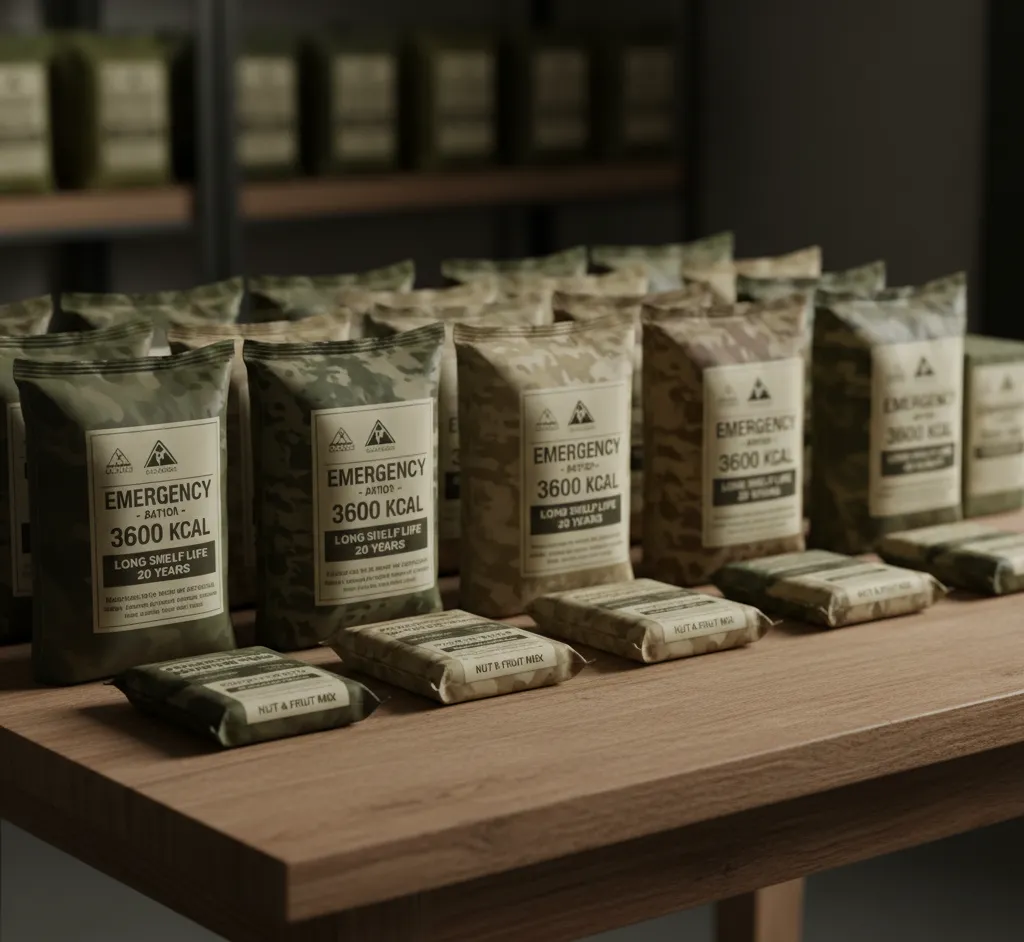
Emergency Food Options
Tinned Food (Best for Home)
Cheap, lasts 2–5 years, needs no preparation (cold beans are fine). Heavy but irrelevant for home storage.
Stock: Beans, soup, tuna, corned beef, tinned fruit, rice pudding. Include a manual tin opener.
Cost: 3 days for 2 people = ~£15–20
Freeze-Dried Meals (Best for Grab Bags)
Add boiling water, wait 10 minutes, eat from the pouch. Light, compact, 5+ year shelf life. Surprisingly tasty these days.
Best UK brands:
- Firepot (~£6–7) — British-made, real ingredients, genuinely good flavours
- Summit to Eat (~£5–6) — Good variety, decent taste, widely available
- Wayfayrer (~£4–5) — Heavier (wet pouches, not freeze-dried), but no hot water needed
MREs (Meals Ready to Eat)
Military-style complete meals. Heavy, long shelf life, self-heating options available. Functional but expensive and not particularly pleasant.
Cost: £8–15 per meal
72-Hour Emergency Food Plan
| Meal | Day 1 | Day 2 | Day 3 |
|---|---|---|---|
| Breakfast | Cereal bars + instant coffee | Porridge (instant sachets) | Crackers + peanut butter |
| Lunch | Tinned soup/beans | Wraps + tuna pouches | Energy bars + trail mix |
| Dinner | Freeze-dried meal | Tinned stew + crackers | Freeze-dried meal |
| Snacks | Nuts, dried fruit, chocolate | Same | Same |
Target: 2,000 calories per person per day minimum.
What to Avoid
- "30-day survival food buckets" — usually bland rice and beans, overpriced, and the calorie count per serving is often misleadingly low
- Energy gels/bars only — fine for a day, awful for three days. You need real food
- Anything requiring lots of water — water may be limited too
- Foods you've never tried — an emergency isn't the time to discover you hate freeze-dried curry
Storage Tips
- Store in a cool, dark, dry place
- Check dates every 6 months
- Eat and replace rather than hoarding — "store what you eat, eat what you store"
- Include comfort food — chocolate, biscuits, tea/coffee. Morale matters
Recommended Products
Expedition Foods 3-Day Emergency Ration Pack
Amazon UK2,000/day
3 days
1.2kg
5+ years
Pros
- +5+ year shelf life
- +Lightweight freeze-dried meals
- +2,000 calories per day
Cons
- −Needs hot water to prepare
- −Taste is functional not gourmet
The best long-shelf-life emergency food pack for UK households.
View dealAffiliate link — we may earn a small commission at no extra cost to you
Wayfayrer Ready-to-Eat Meals (6 pack)
Amazon UK6
Heat or eat cold
3 years
Pros
- +Eat cold if needed - no stove required
- +Familiar meal types
- +3-year shelf life
Cons
- −Heavy - not for backpacking
- −Packaging creates waste
Practical emergency meals that work without any preparation equipment.
View dealAffiliate link — we may earn a small commission at no extra cost to you
Building Your Emergency Food Supply
Start simple: 3 days of food per person. That means roughly 6,000 calories per person. Mix long-shelf-life options with familiar foods you actually eat. Rotate stock every 6-12 months by eating the oldest items and replacing them.
What to Store
- Energy bars and cereal bars (12-month shelf life)
- Tinned food (2-5 year shelf life) - soup, beans, tuna, fruit
- Freeze-dried meals (5-25 year shelf life) - lightweight, compact
- Peanut butter (12-month shelf life) - calorie-dense, needs no cooking
- Dried pasta, rice, oats (2+ year shelf life) - needs water and heat
- UHT milk (6-month shelf life) - for tea, cereal, children
Kit Organisation
A well-organised kit is usable in a hurry. Use colour-coded dry bags or labelled compartments so you can find what you need quickly, especially in emergencies where stress reduces your ability to think clearly. Practice locating items in your kit in the dark — you may need to use it at night during a power cut or emergency.
Regular Testing
Every item in your kit should be tested periodically. Torches need battery checks. Food needs rotation before expiry. Medications need expiry date verification. Water containers need cleaning. First aid supplies need replenishing after use. Set a calendar reminder every 6 months to audit your kit.
Scaling Your Kit
Start with the essentials and build up over time. You do not need to buy everything at once. The core of any emergency kit — water, food, warmth, light, first aid — can be assembled for under 50 pounds using items from Decathlon, Poundland, and your existing wardrobe. Add specialist items as budget allows. A basic kit today is infinitely better than a perfect kit you never get around to building.
Sharing Knowledge
Once you have built your kit, encourage family members and friends to do the same. Share what you have learned about practical preparedness. The UK government recommends every household should be able to sustain itself for 72 hours without external assistance. Most households are not prepared for even 24 hours. Be the exception.
Ready to gear up?
Use our kit builder to get a complete packout list tailored to your trip type, terrain, and budget — with prices and buy links.