This page contains affiliate links. If you purchase through them we may earn a small commission at no extra cost to you. Learn more
Camping with Kids in the UK — A Family-Friendly Guide
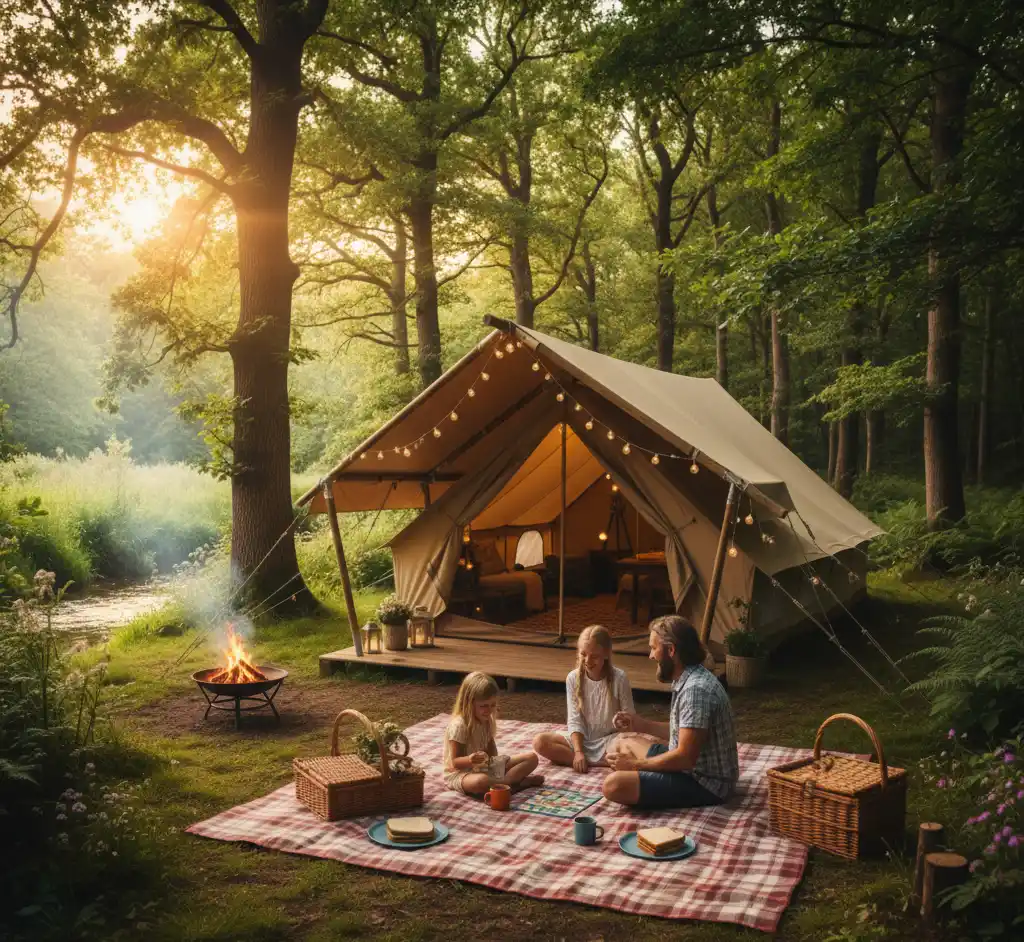
Camping with Kids in the UK
Camping with children is one of the best things you can do as a family. It tears them away from screens, gets them outdoors, and creates memories that stick. It's also harder work than camping without them — let's be honest about that. But the payoff is enormous.
Start at a Campsite
Unless you're already an experienced wild camper, start your family camping life at a proper campsite. Here's why:
- Toilets — young children and catholes don't mix
- Water — carrying enough water for a family on your back isn't practical
- Escape route — if it all goes wrong at 2am, you can pack up and go home
- Other kids — your children will find friends within minutes
- Practice — learn what works for your family before adding the wild camping challenge
Once you've got a few campsite trips under your belt and your kids are comfortable sleeping in a tent, you can think about wilder options.
Age-Appropriate Expectations
Under 5s
Keep it simple. Very simple.
- Short walks (under 2km)
- Lots of stops for exploring
- Stream paddling, bug hunting, stone collecting
- They don't care about the view — they care about mud, sticks, and water
- Naps might not happen — be prepared for an overtired child
- Nighttime routines matter — bring familiar items (toy, blanket, story book)
Ages 5-8
This is the golden age for family camping. Old enough to walk reasonable distances, young enough to be thrilled by everything.
- Walks up to 5km are manageable with breaks
- They can carry a small rucksack (their water and snacks)
- Nature activities: bird spotting, leaf collecting, bug identification
- Den building in woodland
- Simple campfire cooking (supervised) if fires are appropriate and permitted
- Star gazing — point out constellations
Ages 8-12
Starting to develop genuine outdoor skills.
- Longer walks (5-10km) with interesting objectives
- They can help with camp tasks — putting up the tent, cooking
- Teach map reading and compass basics
- Wildlife watching — bring binoculars
- Photography — give them a camera (even a disposable one)
- Wild camping becomes more practical at this age
Teenagers
Different challenge entirely. They might think camping is uncool. Combat this with:
- Let them bring a friend
- Give them responsibility — navigation, cooking
- Adventure activities nearby — climbing, kayaking, mountain biking
- Let them have their own tent (they'll love the independence)
- Don't force "family fun" — let them find their own enjoyment
The single best tip for camping with kids: lower your expectations for distance and raise your expectations for fun. A brilliant camp with kids might cover 2km and involve three hours playing by a stream. That's perfect.
Kit for Family Camping
Sleeping
- Kids' sleeping bags exist but children grow fast — a standard mummy bag with the excess folded works fine
- Sleeping mats are essential — kids feel the cold from below more than adults
- Consider a larger tent than you think you need — wet weather means everyone's inside together
The Tent
For family camping, go bigger:
- A family tent (4-6 person) with separate sleeping areas and a living space
- Porch space for cooking and storing muddy gear
- Easy to pitch — you'll be setting up while managing children
- For wild camping with kids, a good quality three-person tent works if it's just one adult and one child
Food
Kids need frequent feeding. Pack more food than you think:
- Familiar foods — this isn't the time for adventurous eating
- Snacks accessible throughout the day
- Hot chocolate is a camping essential for all ages
- Marshmallows if you're at a campsite with fire pits
- Easy meals — pasta, sausages, pre-made meals. Save the gourmet cooking for adult trips
Entertainment
- Nature books for identification (birds, trees, insects)
- A magnifying glass
- Binoculars
- Card games
- A ball
- Glow sticks (kids love them)
- A head torch each — this alone provides hours of entertainment
Safety with Children
Water
Children and water need constant supervision. Streams, lakes, and the sea are fascinating to kids and genuinely dangerous.
- Always supervise near water
- Life jackets for any boating activity
- Teach older children about river currents
- Cold water shock is a real risk even in summer
Getting Lost
- Dress children in bright colours
- Give older children a whistle (three blasts is the emergency signal)
- Teach them to stay put if they get separated
- Take a photo of each child at the start of the day (showing what they're wearing)
Weather
Children are more susceptible to both cold and heat:
- In cold weather, they lose heat faster than adults. Extra layers, warm hats, spare dry clothes
- In hot weather, they dehydrate faster. Regular water, sun cream, shade
- In rain, getting wet and cold quickly leads to misery. Waterproofs that actually work are worth the investment
Children get hypothermic faster than adults because of their higher surface area to body mass ratio. In cold or wet conditions, check on them regularly — they might not recognise or communicate that they're too cold.
Making It Fun
The secret to camping with kids is letting them lead. Their idea of a great time will be different from yours, and that's fine.
- Let them get dirty — mud washes off
- Let them explore — within safe boundaries
- Give them jobs — collecting water, finding firewood, helping cook
- Tell stories in the tent — camping stories become family legends
- Don't rush — the journey is the destination when you're eight years old
- Celebrate the small things — a frog spotted, a fire started, a tent pitched
Progressing to Wild Camping
When your family is ready for wilder camping:
- Start with easy locations — Dartmoor, accessible Scottish spots
- Keep walks-in short (under 30 minutes for young children)
- Choose good weather
- Camp near water for entertainment (but supervise constantly)
- Keep the first few wild camps to one night
- Let older children help choose the camping spot
Family wild camping is genuinely achievable with children from about age 7-8 upwards, provided you keep distances manageable and expectations realistic.
The Long Game
Children who camp become adults who value the outdoors. The skills, confidence, and love of nature that camping builds last a lifetime.
Recommended Gear for Family Camping
These three items cover the biggest family camping needs — space, light, and entertainment.
Vango Skye 400 Family Tent
Amazon UK4
6.5kg
2
Yes
Pros
- +Two separate bedrooms give privacy
- +Living area for rainy-day activities
- +Headroom for adults to sit up comfortably
Cons
- −Too heavy for backpacking — car camping only
- −Takes longer to pitch than smaller tents
A proper family tent with room for everyone and their gear. The separate bedrooms mean parents and kids get their own space.
View dealAffiliate link — we may earn a small commission at no extra cost to you
Varta Outdoor Sports Lantern
Amazon UK235
326g
3x AA
Up to 200 hours
Pros
- +Bright enough to light a family tent interior
- +Kids love having a lantern to play with
- +Long battery life across a weekend
Cons
- −Not the lightest option
A cheap, cheerful lantern that lights the tent and provides endless entertainment for kids. Every family camp needs one.
View dealAffiliate link — we may earn a small commission at no extra cost to you
Petzl Tikkid Children's Head Torch
Amazon UK20
46g
2x CR2032
Children 3+
Pros
- +Designed specifically for children — safe brightness level
- +Lightweight and comfortable on small heads
- +Gives kids independence at camp
Cons
- −Lower brightness than adult head torches
Give each child their own head torch and watch the excitement. It's independence, safety, and entertainment in one small package.
View dealAffiliate link — we may earn a small commission at no extra cost to you
Your camping trips might be chaotic, tiring, and nothing like the serene experience you'd have solo. But watching your child's face when they see a shooting star from their sleeping bag, or hearing them tell their friends about the time they camped on a mountain — that's worth every soggy, sleep-deprived minute.
Ready to gear up?
Use our kit builder to get a complete packout list tailored to your trip type, terrain, and budget — with prices and buy links.
Related reading
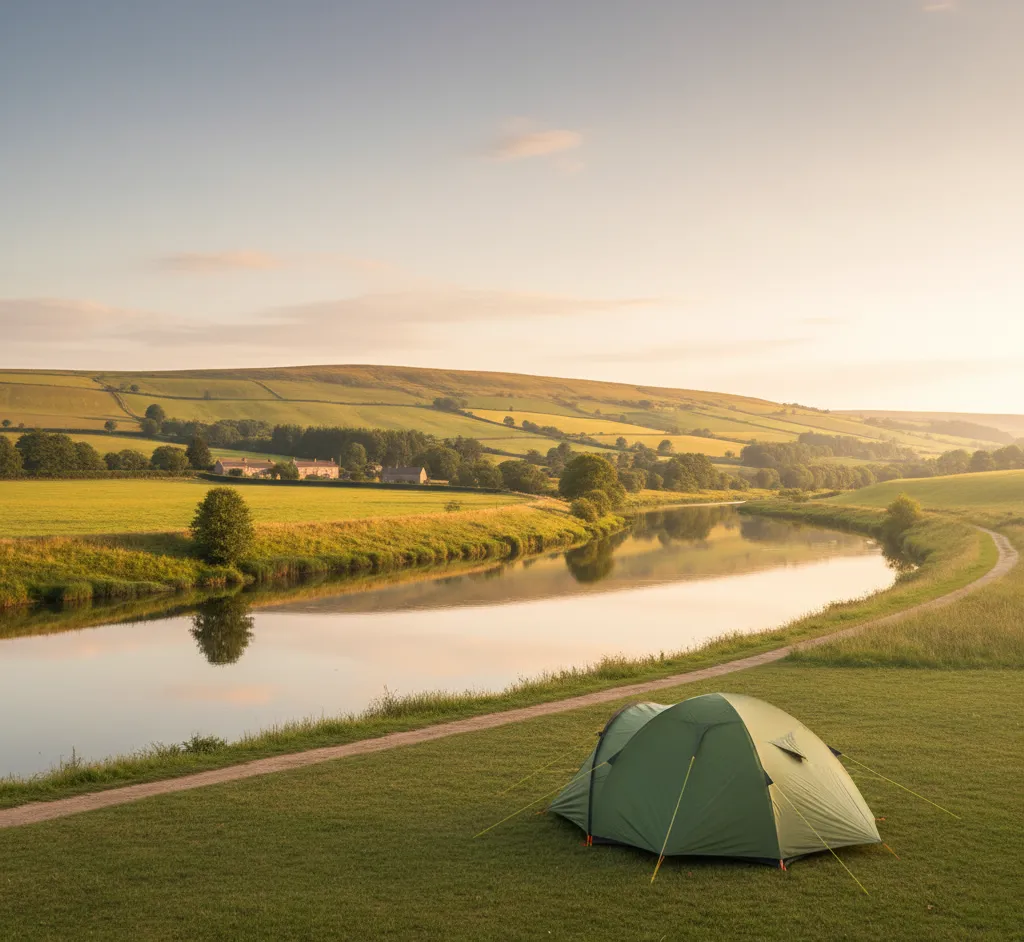
Beginner's Guide to Wild Camping in the UK — Getting Started
A complete step-by-step guide to wild camping for first-timers — what you need, how to find a spot, and how to have a brilliant first night outdoors.
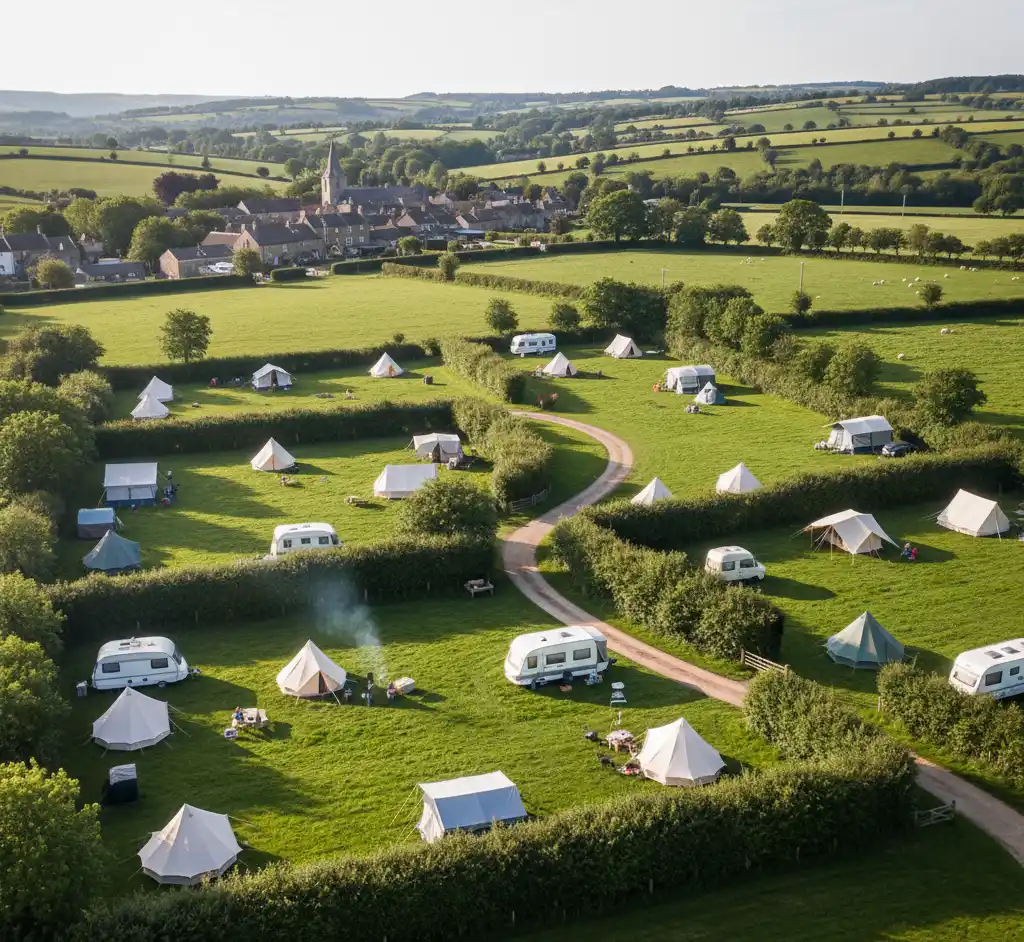
How to Choose a Campsite — What to Look For Before Booking
How to choose a good campsite in the UK — what to look for, red flags to avoid, and how to tell a great site from a terrible one.
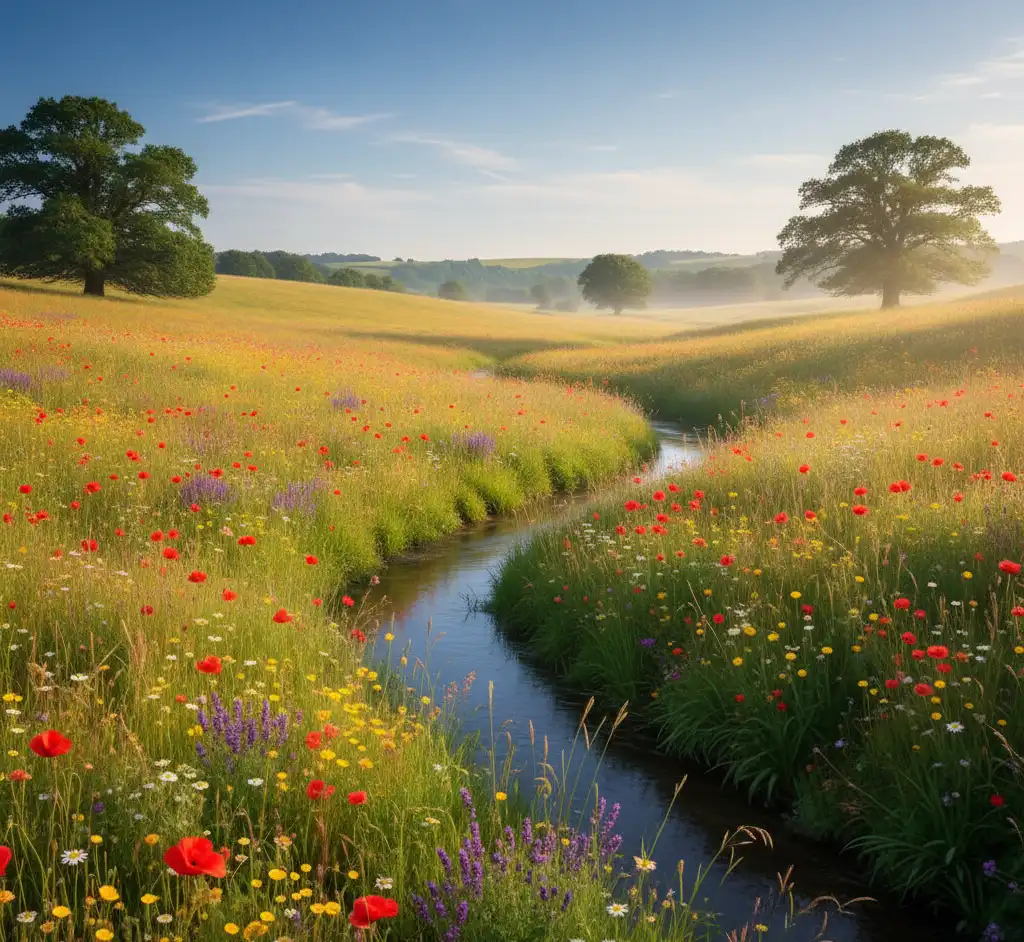
Summer Camping Guide for the UK — Tips, Gear and Best Spots
Summer camping in the UK — dealing with midges, heat, crowds, and making the most of the longest days for wild camping June to August.
Best Rucksacks for Hiking and Wild Camping UK 2026
Best rucksacks and backpacks for hiking and camping in the UK 2026. Day packs to multi-day expedition rucksacks compared.