This page contains affiliate links. If you purchase through them we may earn a small commission at no extra cost to you. Learn more
Camping with Dogs in the UK — A Practical Outdoor Guide
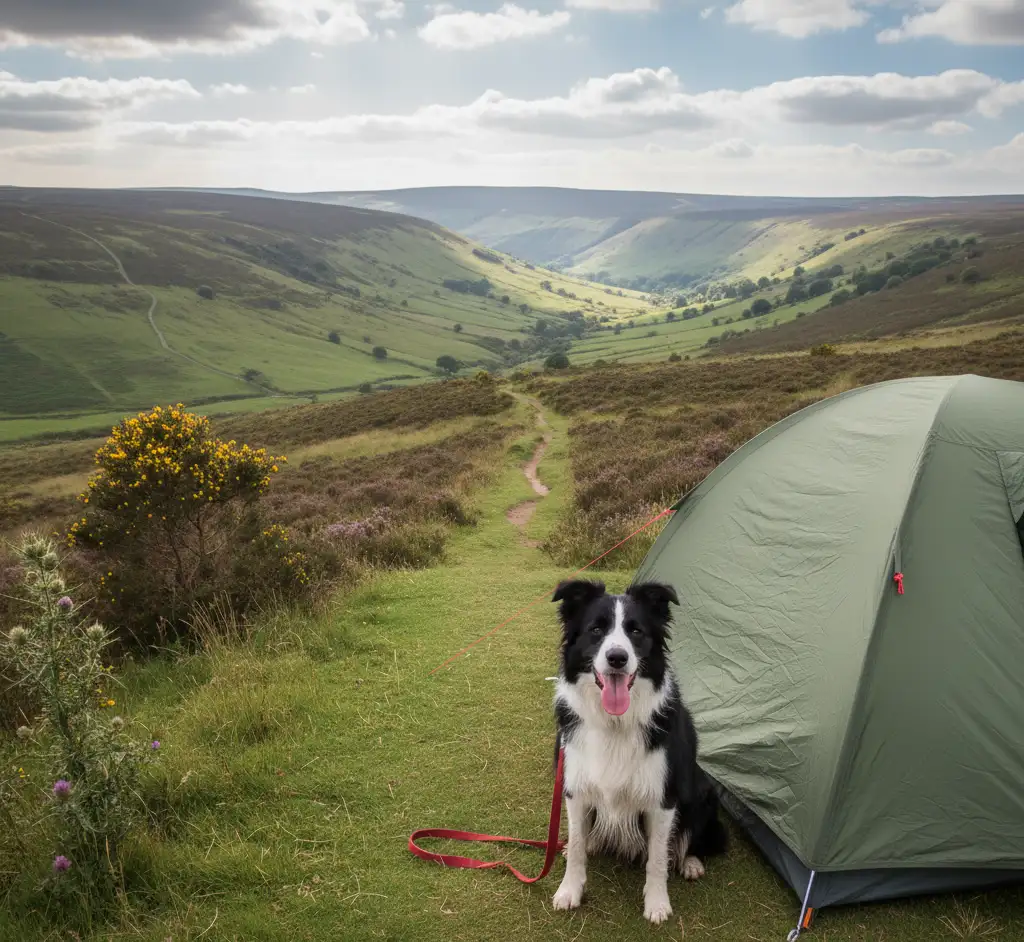
Camping with Dogs in the UK
Dogs and camping should be a perfect match — they love the outdoors, they love being with you, and they don't complain about the weather. In practice, camping with a dog takes some planning, but it's absolutely worth it. Your dog will have the time of their life.
Gear for Your Dog
The Essentials
- Lead and long line — a standard lead plus a longer training line for more freedom in safe areas
- Poo bags — lots. Pack them out. Always.
- Water bowl — collapsible ones weigh nothing
- Food — enough for the trip plus a day's emergency supply
- Dog bed or mat — a lightweight camping mat or blanket for them to sleep on
- Towel — for drying a wet dog before they get in the tent
- Dog coat — for short-haired breeds or cold conditions
Nice to Have
- Dog rucksack — some dogs can carry their own food and water. Check weight limits (no more than 25% of body weight)
- Booties — for rough terrain or snow (most dogs hate them initially)
- High-visibility collar or light — for dusk and dawn when visibility is low
- Tick remover — ticks are common in long grass and bracken
A lightweight, packable dog towel is worth its weight in gold. Drying your dog before bed keeps the tent cleaner and drier, and stops them shivering. A chamois-style towel works well and packs small.
Choosing Where to Camp
Campsites
Many UK campsites welcome dogs, but always check in advance:
- Some restrict dogs to certain pitches
- Some charge extra
- Some have rules about keeping dogs on leads on-site
- Check for dog exercise areas
- Look for sites near good walking
Wild Camping with Dogs
Wild camping with a dog is very doable but adds considerations:
- Livestock — this is the big one. If you're near sheep, cattle, or horses, your dog must be on a lead. No exceptions.
- Wildlife — dogs can disturb ground-nesting birds and other wildlife. Keep them under control.
- Water — your dog needs drinking water too. Carry enough or know where to refill.
- Noise — a dog that barks at night will wake other campers and disturb wildlife. Know your dog's temperament.
Best Areas for Dog-Friendly Camping
Scotland: Legal camping with your dog under the right to roam. Dogs must be kept under close control, especially near livestock. The Highlands and islands are wonderful for dogs.
Dartmoor: The permitted camping areas work well for dogs, with open moorland for exploration. Ponies and cattle roam freely — keep your dog on a lead.
Northumberland: Quiet, spacious, and excellent walking. The beaches are great for dogs out of summer bird-nesting season.
The Yorkshire Dales and Peak District: Good walking country for dogs. Heavy livestock presence means leads are often needed.
Livestock — The Critical Issue
This cannot be overstated. Dogs and livestock are the most important consideration for camping with dogs in the UK.
The law:
- In England and Wales, you can be prosecuted if your dog worries livestock
- In Scotland, the right to roam requires dogs to be under close control, especially near livestock
- Farmers are legally permitted to shoot dogs that are attacking or chasing livestock
In practice:
- Keep your dog on a lead near any livestock
- During lambing season (March to May), keep dogs on leads everywhere in farming country
- If cattle charge you and your dog, let the dog go — cattle target the dog, not you. The dog will outrun them.
- Know your dog — if they have high prey drive, keep them on a lead in areas with wildlife
Dogs chasing sheep can cause ewes to abort lambs, abandon newborns, or injure themselves running into walls and fences. This is not a minor issue — it's devastating for farmers. Keep your dog on a lead near sheep. Always.
Sleeping Arrangements
Most dogs will sleep in the tent with you. This works fine if:
- They have their own mat or bed
- You dry them off before bed
- They're house-trained (tent-trained?)
- They don't take up all the space
A two-person tent with one person and one medium-sized dog is tight but workable. A three-person tent gives everyone more room.
Some dogs sleep in the tent porch. This works if the porch is enclosed and the weather is mild. Don't leave a dog outside the tent overnight in cold or wet conditions.
Food and Water
Food
Dogs on active camping trips burn more energy than usual. Consider increasing their food by 10-20% depending on the activity level. Bring their regular food — camping isn't the time to experiment with new brands.
Carry food in sealed bags to reduce weight and stop smells attracting wildlife.
Water
Dogs need regular water, especially when active. Carry enough for your dog as well as yourself. Stream and lake water is generally safe for dogs to drink, but avoid stagnant water or water near agricultural runoff.
Signs of dehydration in dogs: excessive panting, dry nose and gums, lethargy. Offer water regularly rather than waiting for them to ask.
Weather Considerations
Heat
Dogs overheat faster than humans. In hot weather:
- Walk during cooler parts of the day (morning and evening)
- Provide shade and water at camp
- Watch for signs of heatstroke: excessive panting, drooling, staggering
- Never leave a dog in a car
Cold
Most dogs are fine in UK cold conditions, but:
- Short-haired breeds may need a coat for evening and overnight
- Provide insulation from the ground (mat or blanket)
- Check paws for ice between pads in winter
- Dry them if they've been in water
Rain
Most dogs don't mind rain, but a wet dog in a tent is unpleasant. Dry them off before bed, and consider a lightweight shelter or tarp for cooking and eating.
Behaviour on the Trail
A well-behaved dog makes everything easier. Before camping:
- Recall should be solid (or keep them on a lead)
- They should be comfortable sleeping in unfamiliar places
- They shouldn't bark excessively at other people, dogs, or wildlife
- They should be comfortable around livestock (or be kept well away)
If your dog doesn't have reliable recall in exciting outdoor environments, use a long line rather than going off-lead. It's safer for everyone.
Leave No Trace with Dogs
- Pick up all poo and pack it out. Leaving dog poo on a mountain is no different from leaving your own litter.
- Don't let dogs swim in small tarns that may be water sources
- Keep dogs from digging and disturbing vegetation
- Minimise barking to avoid disturbing wildlife and other campers
First Aid
Carry basic dog first aid supplies:
- Tick remover
- Paw wax or balm
- Bandage material
- Antiseptic wipes
- Your vet's phone number
- Nearest vet to your camping location
Common camping injuries for dogs: cut pads, ticks, grass seeds in ears, sprains from rough terrain. Most are minor but worth being prepared for.
Recommended Gear for Camping with Dogs
These three items cover the essentials for keeping your dog comfortable, controlled, and clean on a camping trip.
Ruffwear Flat Out Dog Lead
Amazon UK1.8m
Tubular webbing
Aluminium side-release buckle
Lead or waist belt
Pros
- +Converts to hands-free waist belt for walking
- +Strong aluminium hardware
- +Comfortable padded handle
Cons
- −Pricier than basic leads
A versatile lead that doubles as hands-free when you need both hands for camp tasks. Well-made and durable.
View dealAffiliate link — we may earn a small commission at no extra cost to you
Ruffwear Quencher Collapsible Dog Bowl
Amazon UK1 litre
43g
Waterproof polyester
Folds flat
Pros
- +Folds completely flat for packing
- +Waterproof fabric holds water without leaking
- +Light enough to clip to your pack
Cons
- −Less stable than rigid bowls on uneven ground
Weighs almost nothing, packs flat, and keeps your dog hydrated. No reason not to carry one.
View dealAffiliate link — we may earn a small commission at no extra cost to you
Trespass Doggo Microfibre Towel
Amazon UK85 x 50cm
Microfibre
120g
High
Pros
- +Absorbs huge amounts of water
- +Dries quickly between uses
- +Packs small and light
Cons
- −Needs wringing out frequently with very wet dogs
Dry your dog before they get in the tent. Your sleeping bag will thank you. Worth every penny.
View dealAffiliate link — we may earn a small commission at no extra cost to you
Camping with your dog is one of the great outdoor experiences. They're happy, you're happy, and the bond you build through shared adventure is special. Just do the preparation, respect the land and livestock, and you'll both have a brilliant time.
Ready to gear up?
Use our kit builder to get a complete packout list tailored to your trip type, terrain, and budget — with prices and buy links.
Related reading
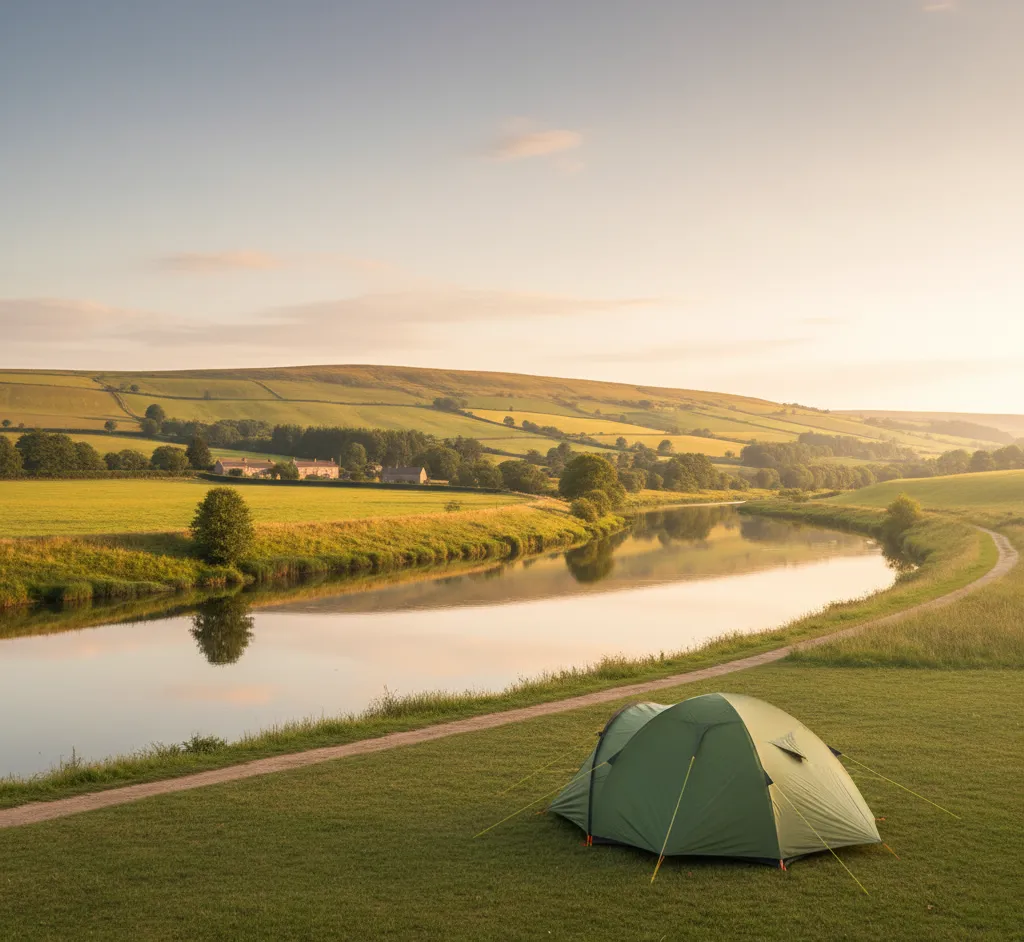
Beginner's Guide to Wild Camping in the UK — Getting Started
A complete step-by-step guide to wild camping for first-timers — what you need, how to find a spot, and how to have a brilliant first night outdoors.
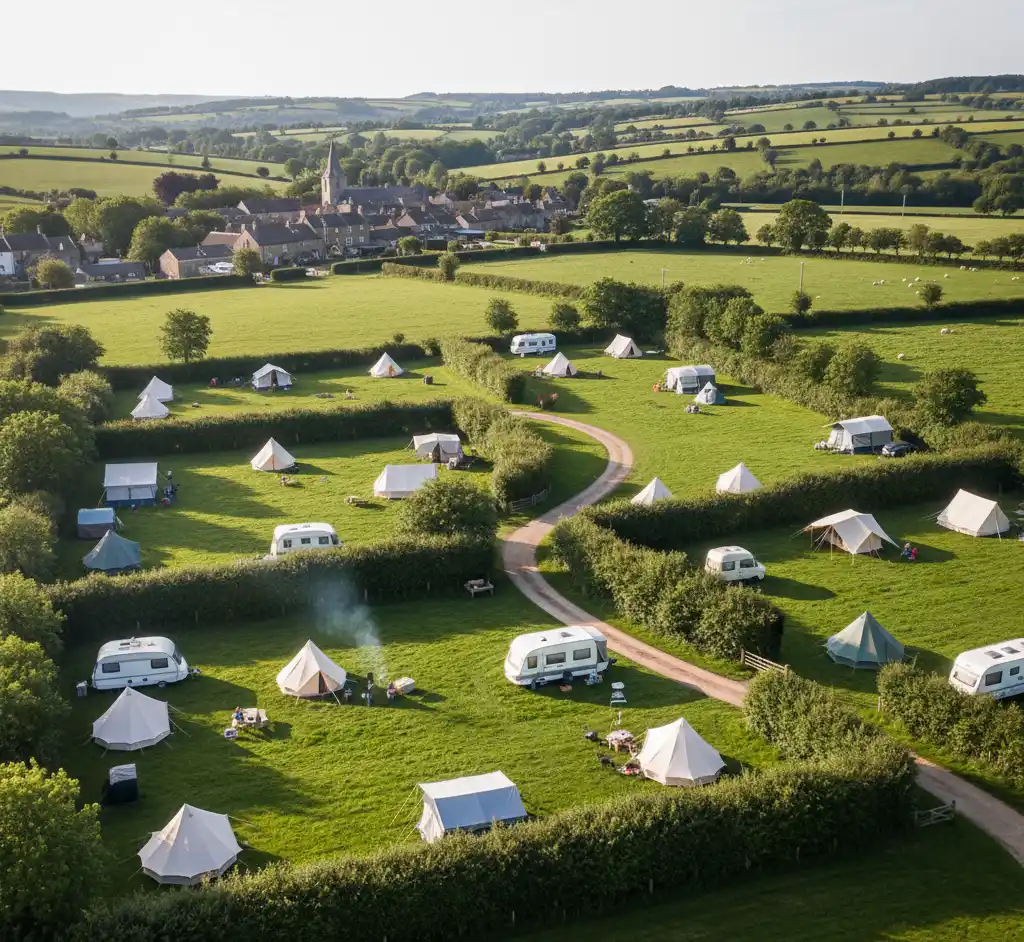
How to Choose a Campsite — What to Look For Before Booking
How to choose a good campsite in the UK — what to look for, red flags to avoid, and how to tell a great site from a terrible one.
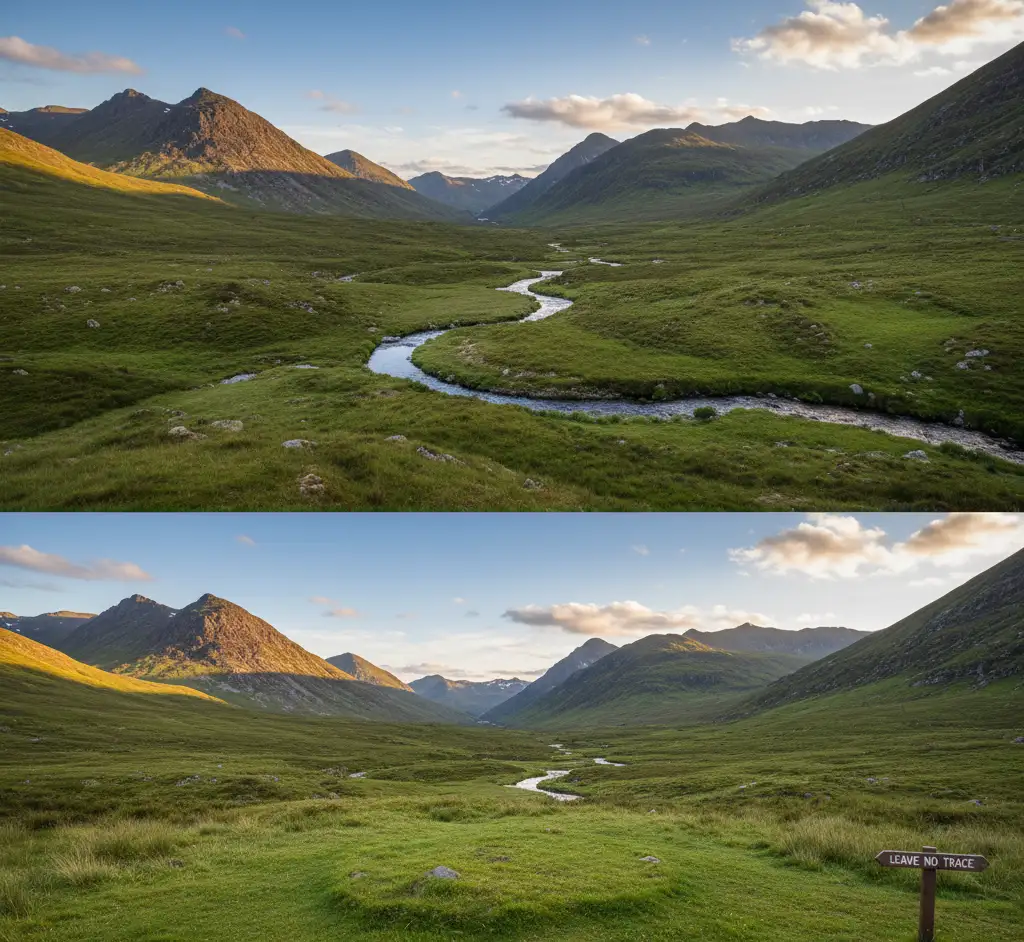
Leave No Trace Camping Guide — Responsible UK Wild Camping
The complete guide to leave no trace camping in the UK. How to camp responsibly and ensure wild places stay wild for everyone who follows.
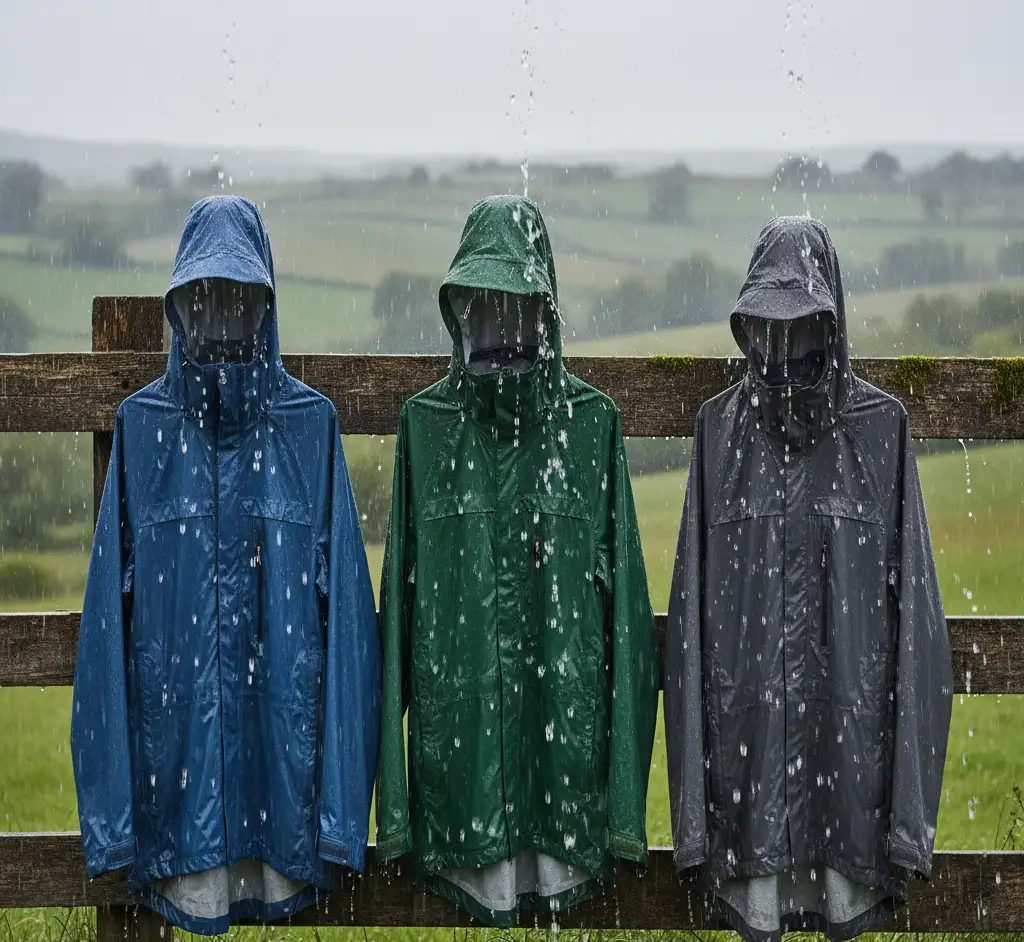
Best Outdoor Clothing for UK Hiking and Camping 2026
Best outdoor clothing for UK hiking and camping in 2026. Waterproofs, base layers, mid-layers and boots reviewed and compared for British conditions.