This page contains affiliate links. If you purchase through them we may earn a small commission at no extra cost to you. Learn more
Bothies Guide — Free Mountain Shelters Across the UK
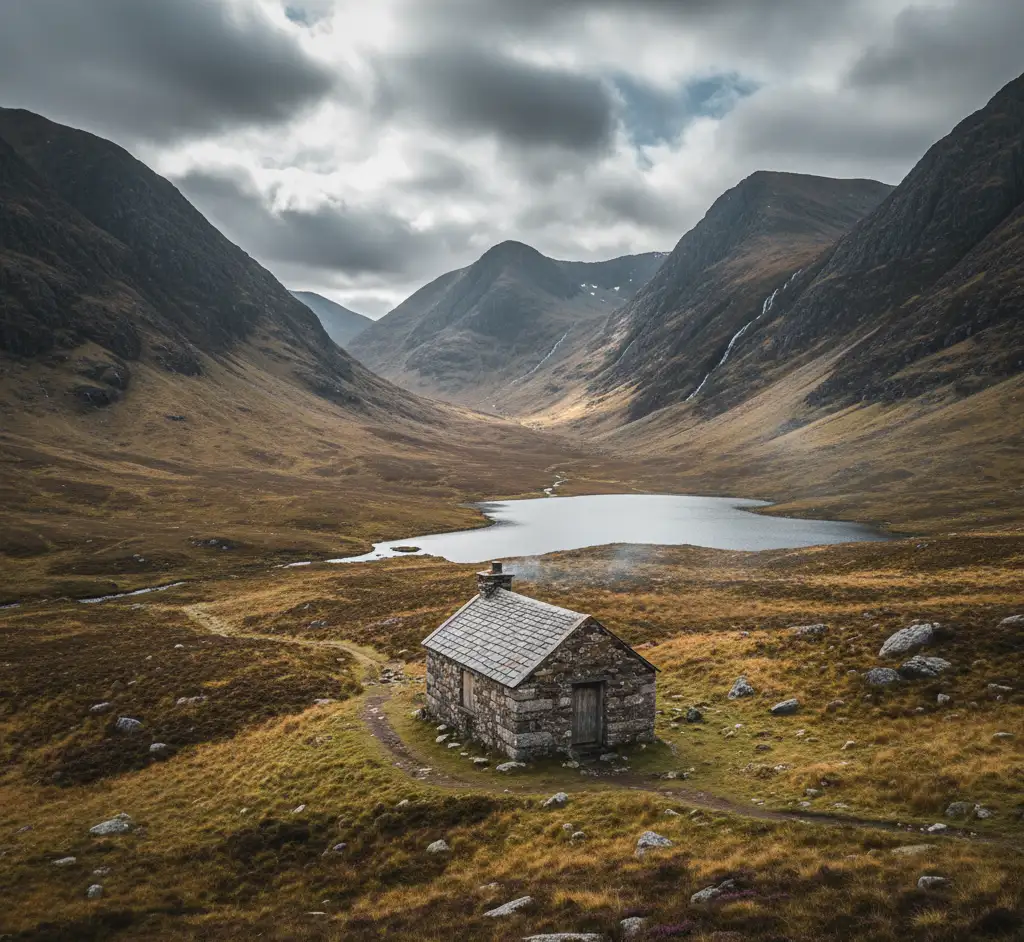
Bothies Guide — UK
Bothies are one of the UK's finest outdoor traditions — free, unlocked shelters in wild places, maintained by volunteers, and available to anyone. A night in a remote bothy, with a candle flickering and the wind howling outside, is one of the most atmospheric experiences outdoor Britain has to offer.
What Is a Bothy?
A bothy is a simple shelter — typically an old farm building, shepherd's cottage, or estate building — that's been maintained as a free overnight refuge for walkers, climbers, and outdoor enthusiasts.
What you get:
- Four walls and a roof
- A door that closes (usually)
- Sometimes a fireplace
- Maybe a raised sleeping platform
- Possibly a shovel for the composting toilet outside
What you don't get:
- Beds, mattresses, or bedding
- Cooking facilities
- Running water
- Electricity
- Heating (unless you bring fuel for the fire)
- Booking or guaranteed space
Bothies are basic. That's the point. You bring everything you'd bring for a wild camp, but you have a solid roof over your head.
The Mountain Bothies Association
The MBA is the charity that maintains most bothies in the UK. Founded in 1965, it relies on volunteer labour and donations to keep around 100 bothies in habitable condition.
The MBA doesn't publish exact bothy locations on their website — they provide general area descriptions to prevent overcrowding and protect the buildings. Bothy locations are shared through word of mouth, guidebooks, and mapping.
Supporting the MBA: Bothies are free to use, but the MBA needs money to maintain them. Membership costs a few pounds a year and helps keep the tradition alive. If you use bothies, join the MBA.
Where Are Bothies?
Scotland
The majority of bothies are in Scotland — the Highlands, Borders, and islands. Scotland has the strongest bothy tradition and the largest number of maintained shelters.
Notable areas with bothies:
- The Cairngorms and surrounding glens
- The Northwest Highlands
- The Scottish Borders
- Remote glens throughout the Highlands
Northern England
A smaller number of bothies exist in northern England, primarily in the North Pennines and Northumberland. They're less common than in Scotland but equally valuable.
Wales
Wales has a handful of bothies, mainly in Snowdonia and the hills of mid-Wales.
Bothies are deliberately not widely publicised to prevent overuse. The best way to discover them is through OS maps (many are marked), dedicated bothy guidebooks, and talking to other outdoor enthusiasts. Part of the magic is the search.
Bothy Etiquette — The Bothy Code
The bothy system works on mutual respect and shared responsibility. The MBA publishes a Bothy Code:
1. Respect Other Users
- Bothies are shared spaces — be friendly and considerate
- First come, first served for sleeping space
- Share the fire if there is one
- Keep noise reasonable, especially late at night
- If the bothy is full when you arrive, be prepared to camp outside
2. Respect the Bothy
- Leave it cleaner than you found it
- Don't damage the building or its fixtures
- Report damage to the MBA
- Don't modify the bothy (building shelves, leaving furniture)
- Close doors and windows when you leave
3. Respect the Surroundings
- Don't cut live trees for firewood — use only dead, fallen wood
- Use the toilet facilities (or dig a cathole well away from the bothy and water sources)
- Don't leave food that will attract mice — hang food bags from nails or rafters
- Take all rubbish out — including others' if you can carry it
4. Respect the Mountain Environment
- Fires only in existing fireplaces
- Don't use excessive amounts of firewood
- In dry conditions, be cautious with fires
- Never leave a fire unattended
5. Don't Leave Anything Behind
- Take out everything you brought in
- Don't leave food, gear, or rubbish
- The bothy should look the same (or better) after you leave
- Don't treat it as storage — leaving gear "for next time" isn't acceptable
Bothies are not for large groups, parties, or events. The MBA requests groups of six or fewer. Larger groups should camp rather than fill a bothy, and should always leave space for individual walkers who may arrive later.
What to Bring
Everything you'd bring for wild camping, minus the tent:
- Sleeping bag — rated for cold conditions (bothies can be draughty)
- Sleeping mat — the floor is hard. A good mat makes the difference
- Food and cooking gear — stove, pot, food, water
- Candles — traditional bothy lighting. Bring some, leave some
- Lighter — for the fire if there's a fireplace
- Head torch — for when the candles run out
- Water — carry it or know the nearest water source
- Rubbish bag — for packing out waste
Nice to Have
- A pack of cards — bothy card games with strangers are legendary
- A hip flask — traditional bothy hospitality
- A good book — for solo evenings
- A small saw or axe for processing firewood (dead wood only)
Bothy Fires
Many bothies have fireplaces, and a fire transforms the experience — warmth, light, and atmosphere. But fires need managing:
- Use only dead, fallen wood from the surrounding area
- Don't strip the area of all available wood — leave some for the next visitors
- In some popular bothies, firewood is scarce. Carry a stove regardless.
- Make sure the fire is fully out before you go to sleep or leave
- Use the existing fireplace — don't create new fire rings or burn things outside
Memorable Bothy Experiences
What makes bothies special isn't the building — it's the experience:
- Arriving in a storm and finding shelter, warmth, and sometimes unexpected company
- Sharing the fire with strangers who become friends for the evening
- The silence of a solo night in a bothy with just candlelight and the sound of the wind
- The locations — bothies are in places you'd choose to camp anyway, but with four walls around you
- The tradition — you're following in the footsteps of generations of walkers, climbers, and outdoor enthusiasts
Finding Bothies
- OS Maps — many bothies are marked (look for building symbols in remote areas)
- Bothy guidebooks — several published guides cover MBA bothies with descriptions and directions
- Online communities — walking forums and social media groups discuss bothies (though exact locations aren't always shared)
- Word of mouth — the traditional method. Ask experienced hill-goers.
- The MBA — provides general information about their bothies
Problems and Challenges
Overcrowding
Some popular bothies — particularly those accessible by short walks — have become overcrowded, especially on weekends. If a bothy is full, be prepared to camp outside.
Misuse
Some bothies have suffered from misuse — vandalism, excessive rubbish, fire damage, and use by large groups as party venues. This behaviour threatens the whole bothy system.
Maintenance
Bothies are remote buildings in harsh climates. They need constant maintenance, which is carried out by MBA volunteers. Roofs leak, floors rot, doors break. If you spot damage, report it to the MBA.
The Future of Bothies
The bothy tradition depends on two things: volunteer maintenance and responsible use. The MBA does extraordinary work with limited resources, and the system only works because most users treat bothies with respect.
Recommended Bothy Kit
Bothies provide shelter but nothing else. These items make bothy nights warmer and more atmospheric.
Trespass Doze 3-Season Sleeping Bag
Amazon UK-3°C
Hollow fibre
1.5kg
Mummy
Pros
- +Warm enough for draughty bothy floors
- +Synthetic fill handles bothy dampness
- +Budget-friendly
Cons
- −Bulkier than down — but you're not carrying a tent
Bothies can be draughty and cold. A proper three-season bag is essential — the stone floors sap heat faster than you'd expect.
View dealAffiliate link — we may earn a small commission at no extra cost to you
UCO Original Candle Lantern
Amazon UK180g
9-hour candles
Aluminium and glass
Warm candlelight
Pros
- +Traditional bothy lighting — atmospheric and practical
- +Each candle lasts 9 hours
- +Provides a small amount of warmth
Cons
- −Open flame requires care
- −Not as bright as LED alternatives
A candle lantern in a bothy is a tradition worth keeping. The warm light and gentle heat add something no head torch can match.
View dealAffiliate link — we may earn a small commission at no extra cost to you
If you use bothies, support the MBA. If you visit one, leave it better than you found it. The bothy system is a remarkable piece of outdoor culture — simple, communal, and trusting. It deserves to continue.
Ready to gear up?
Use our kit builder to get a complete packout list tailored to your trip type, terrain, and budget — with prices and buy links.
Related reading
Free Camping in the UK — Every Legal Option and Wild Spot
All the ways to camp for free legally in the UK — from Scotland's right to roam to bothies, Forestry land, and designated wild camping areas.
Wild Camping & Campsites in the UK — The Complete Guide
Everything you need to know about wild camping in the UK — where it's legal, where it's tolerated, and how to do it responsibly.
Best Wild Camping in the Scottish Highlands — Spots and Tips
A guide to the best areas for wild camping in the Scottish Highlands — where to go, when to visit, and how to make the most of Scotland's right to roam.
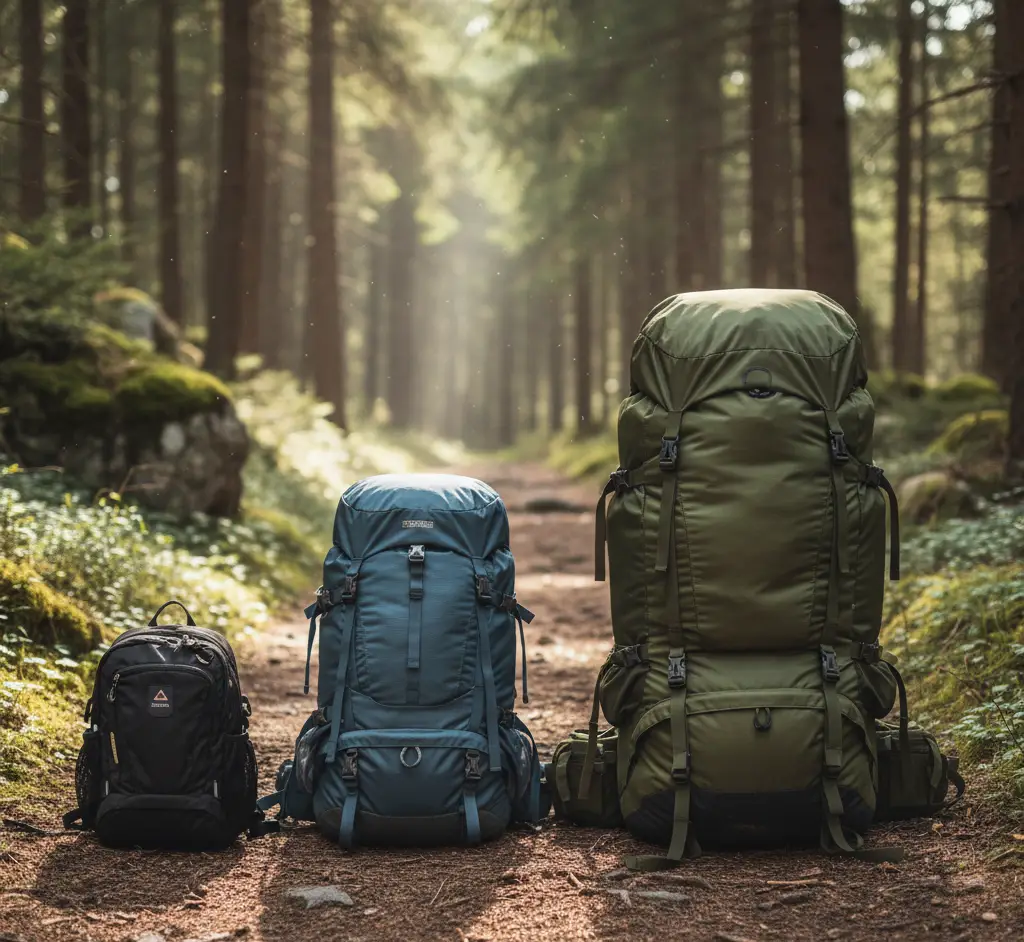
Best Rucksacks for Hiking and Wild Camping UK 2026
Best rucksacks and backpacks for hiking and camping in the UK 2026. Day packs to multi-day expedition rucksacks compared.