This page contains affiliate links. If you purchase through them we may earn a small commission at no extra cost to you. Learn more
Best Wild Camping in the Scottish Highlands — Spots and Tips
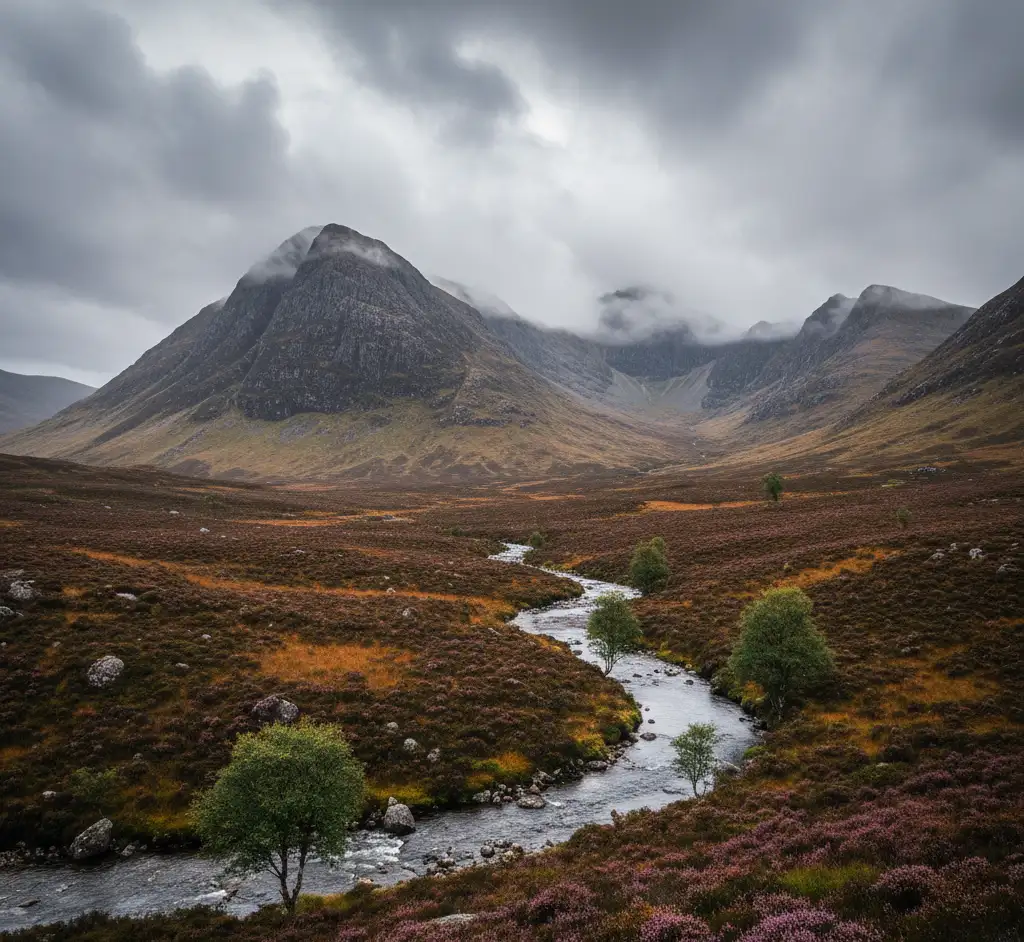
Best Wild Camping in the Scottish Highlands
The Scottish Highlands are wild camping at its finest. Vast open landscapes, legal access, and some of the most dramatic scenery in Europe. If you're going to wild camp anywhere in the UK, this is the place to start.
Scotland's Right to Roam
Scotland's Land Reform (Scotland) Act 2003 gives everyone a statutory right to access most land for recreational purposes, including wild camping. This is backed by the Scottish Outdoor Access Code, which sets out responsibilities.
You can camp almost anywhere in Scotland as long as you:
- Camp in small numbers
- Stay no more than two or three nights in one spot
- Avoid enclosed fields, near buildings, and land where you'd cause damage
- Leave no trace whatsoever
- Follow the Scottish Outdoor Access Code
This isn't just tolerance — it's a legal right. But it comes with responsibilities, and abusing it puts the whole system at risk.
Best Areas for Wild Camping
Torridon and Wester Ross
Torridon is arguably the finest wild camping landscape in the UK. Ancient sandstone mountains rise from sea lochs, and the terrain feels genuinely remote even though you're only a few hours from Inverness.
The area around Liathach, Beinn Eighe, and Beinn Alligin offers high-level camping with extraordinary views. Lower down, the shores of lochs provide more sheltered options.
Best for: Experienced campers who want dramatic mountain scenery. Season: May to October. Midges can be horrendous July and August.
Glen Coe and Glen Etive
Glen Coe is iconic — and deservedly so. The valley itself is too busy for a peaceful wild camp, but head up onto the ridges and into the side valleys and you'll find fantastic spots.
Glen Etive, the road south from Glen Coe to the sea loch, is a classic wild camping area. It's become very popular (and suffered from litter and fire damage as a result), so camp responsibly.
Best for: All levels. Easy access from the A82. Season: Year-round, but winter requires proper mountain skills.
The Cairngorms
The Cairngorms are the UK's highest and most arctic-like plateau. Camping up on the plateau is a serious undertaking — the weather can be ferocious at any time of year. But the glens and lower slopes offer brilliant camping with easier access.
The Lairig Ghru pass is a classic through-route with several good camping areas. Glen Feshie and Glen Derry are also superb.
Best for: The high plateau suits experienced mountaineers. The glens are good for all levels. Season: Glens year-round. Plateau mainly summer, and only with experience.
The Cairngorm plateau has the most severe weather in the UK. Blizzards can occur in any month. If you're camping high, you need genuine mountain experience and equipment.
Knoydart
Knoydart is the most remote peninsula on mainland Britain. There are no roads in — you either walk or take a boat. That remoteness makes it one of the finest wild camping areas anywhere.
The walk in from Kinloch Hourn is rough but rewarding. Once you're in, you'll find stunning coastal and mountain camping with virtually nobody around.
Best for: Those wanting genuine remoteness. Moderate fitness required for the walk in. Season: May to September is most practical.
Sutherland and Assynt
The far north of Scotland feels like a different country. Sutherland is vast, empty, and hauntingly beautiful. The Assynt area, with its isolated peaks like Suilven and Stac Pollaidh, offers camping that feels genuinely wild.
The coastline is equally impressive — sea stacks, hidden beaches, and barely a soul around.
Best for: Those who want space and solitude. Season: May to September. Very exposed in winter.
The Great Glen and Loch Ness
The Great Glen Way offers a long-distance route with good camping opportunities along its length. The shores of Loch Ness have several spots, though the more famous sections get busy.
For something quieter, head into the hills either side of the glen.
Best for: Long-distance walkers and those combining camping with a route. Season: April to October.
Dealing with Midges
Let's be honest — midges are the Scottish Highlands' biggest challenge. These tiny biting flies swarm in clouds from roughly June to September, and they can turn an idyllic camp into pure misery.
How to manage them:
- Camp on exposed, windy spots — midges can't fly in anything above a light breeze
- Avoid camping near still water, bog, or dense vegetation
- Use a midge head net (essential kit, weighs nothing)
- Smidge or Avon Skin So Soft are the most popular repellents
- Get into your tent before dusk when they're at their worst
- Consider timing your trip for May or late September to October
Check the Scottish Midge Forecast (yes, it exists) before planning your trip. It gives area-by-area midge activity levels and is surprisingly accurate.
Seasonal Tips
Spring (March to May): Long days returning, snow still on high ground, few midges. Excellent time to visit. Can be cold at night — bring a warm sleeping bag.
Summer (June to August): Longest days — barely gets dark in the far north. Warmest temperatures. But midges are at peak levels and popular areas get busy.
Autumn (September to November): Stunning colours, fewer midges, quieter. Weather becomes more unsettled. Shorter days mean earlier starts.
Winter (December to February): Short days, cold temperatures, potential snow. Stunning when conditions are right but requires proper winter gear and experience. The Highlands in winter are serious mountain territory.
Getting There
The Highlands are well served by the A9 running north from Perth to Inverness and beyond. The West Highland Line train reaches Fort William and Mallaig — one of the great railway journeys of the world.
Buses run to most main towns but frequency is limited, especially in remote areas. Having a car makes life much easier, particularly in the west and north.
Essential Kit
Standard wild camping gear plus:
- Midge head net — non-negotiable May to September
- Midge repellent — Smidge is the go-to
- Gaiters — for boggy ground, which is most of the Highlands
- Map and compass — mobile signal is patchy at best
- Water filter — streams are plentiful but livestock makes untreated water risky
Camping Responsibly in the Highlands
Scotland's right to roam is precious — and it only survives if people use it responsibly. The Highlands have seen increasing problems with litter, fire damage, and human waste in popular areas.
- Use a stove, not a fire
- Carry a trowel for toilet stops and bury waste properly
- Pack out all rubbish including food waste
- Don't camp in the same spot for more than three nights
- Be respectful to other campers and local communities
Recommended Gear for the Highlands
The Highlands demand gear that handles midges, bog, and unpredictable weather. These three items are Highland essentials.
Smidge Insect Repellent Spray
Amazon UK75ml
Saltidin 20%
Up to 8 hours
Yes
Pros
- +Highly effective against Scottish midges
- +DEET-free so safe on skin and gear
- +Long-lasting protection
Cons
- −Needs reapplying after heavy sweating
The UK's best-selling midge repellent for good reason — it actually works. Non-negotiable kit for Highland camping.
View dealAffiliate link — we may earn a small commission at no extra cost to you
Lifesystems Midge & Mosquito Head Net
Amazon UK20g
Ultra-fine
Most hats and hoods
Pros
- +Weighs practically nothing
- +Fine enough mesh to stop midges
- +Fits over hats for comfortable wear
Cons
- −Can feel stuffy in warm weather
Costs less than a coffee and saves you from hours of midge misery. Just buy one.
View dealAffiliate link — we may earn a small commission at no extra cost to you
Vango Nevis 200 Tent
Amazon UK2.5kg
2
3
42 x 14cm
Pros
- +Good wind resistance for the price
- +Easy to pitch in fading Highland light
- +Two-person gives room for gear
Cons
- −Heavier than ultralight alternatives
A reliable budget tent that handles Highland conditions well enough for most three-season camping trips.
View dealAffiliate link — we may earn a small commission at no extra cost to you
The Highlands are extraordinary. Keep them that way.
Ready to gear up?
Use our kit builder to get a complete packout list tailored to your trip type, terrain, and budget — with prices and buy links.
Related reading
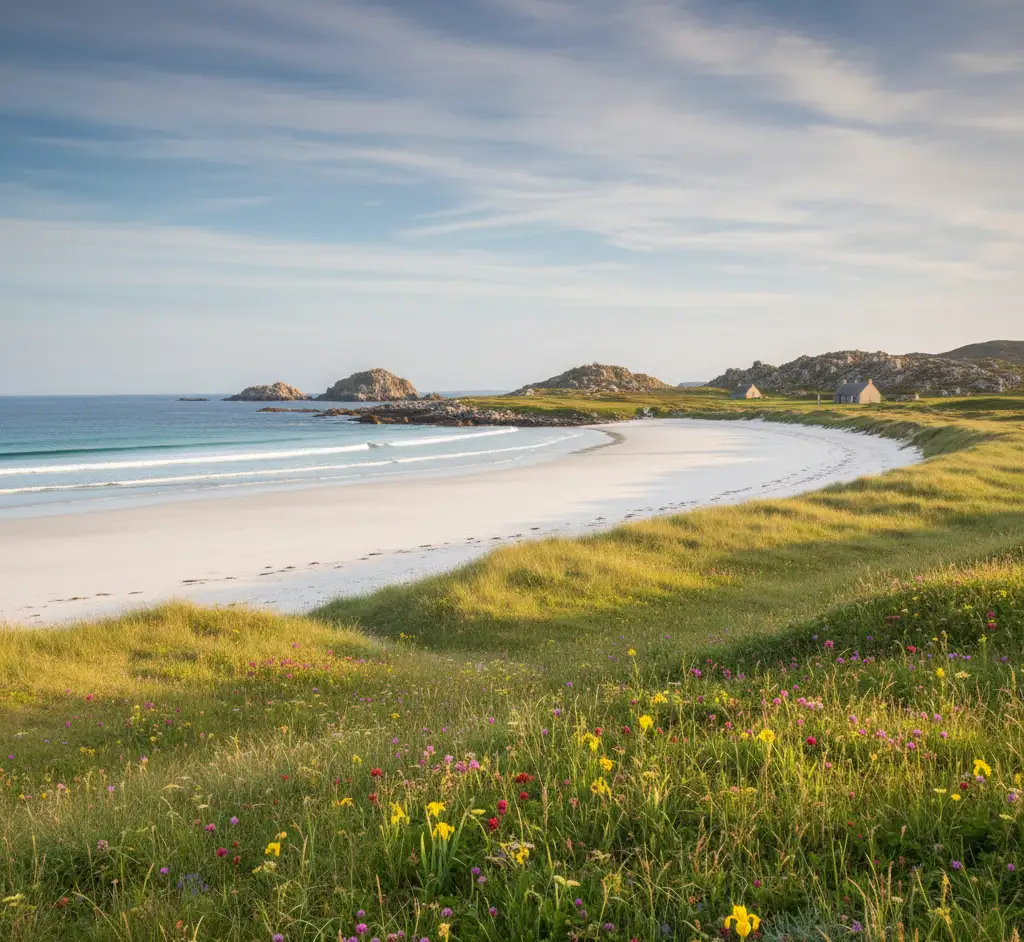
Best Wild Camping on Scotland's Islands — Remote UK Camping
Wild camping on Scotland's islands — Skye, Mull, Harris, Lewis, Orkney and more. Where to go, how to get there, and what makes island camping special.
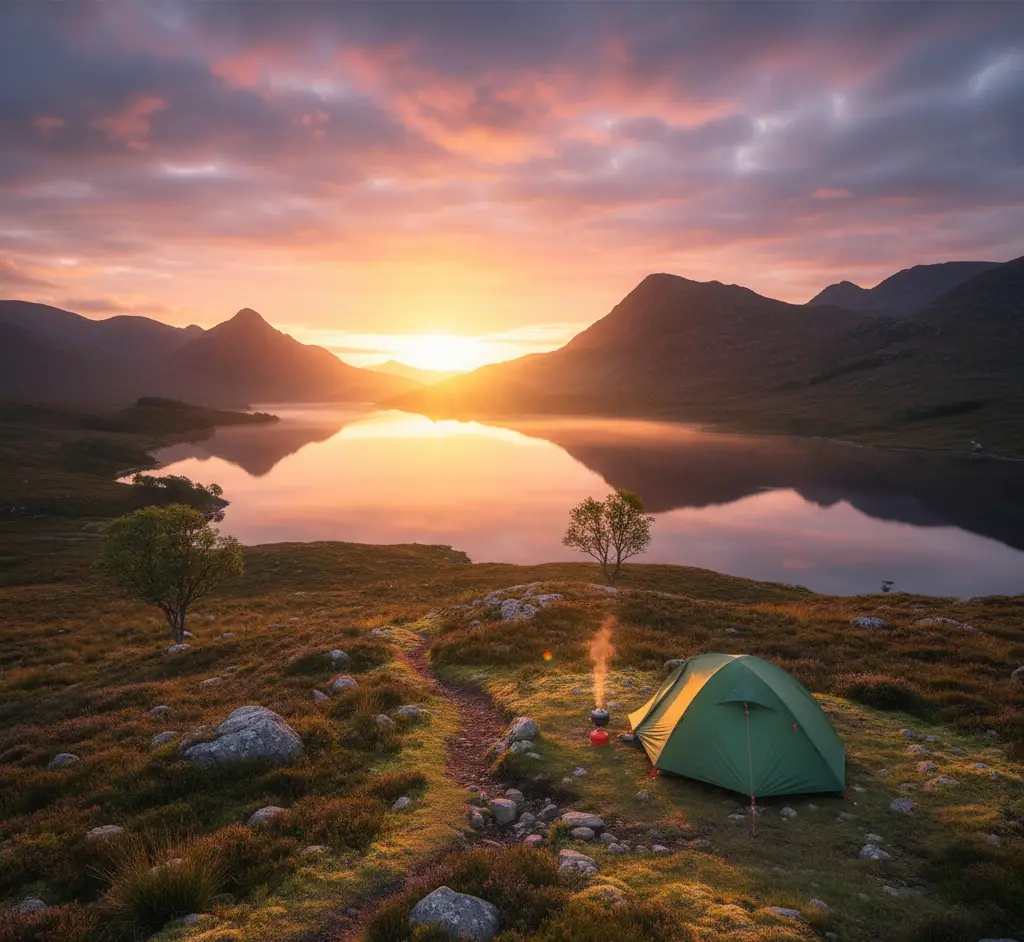
Wild Camping & Campsites in the UK — The Complete Guide
Everything you need to know about wild camping in the UK — where it's legal, where it's tolerated, and how to do it responsibly.
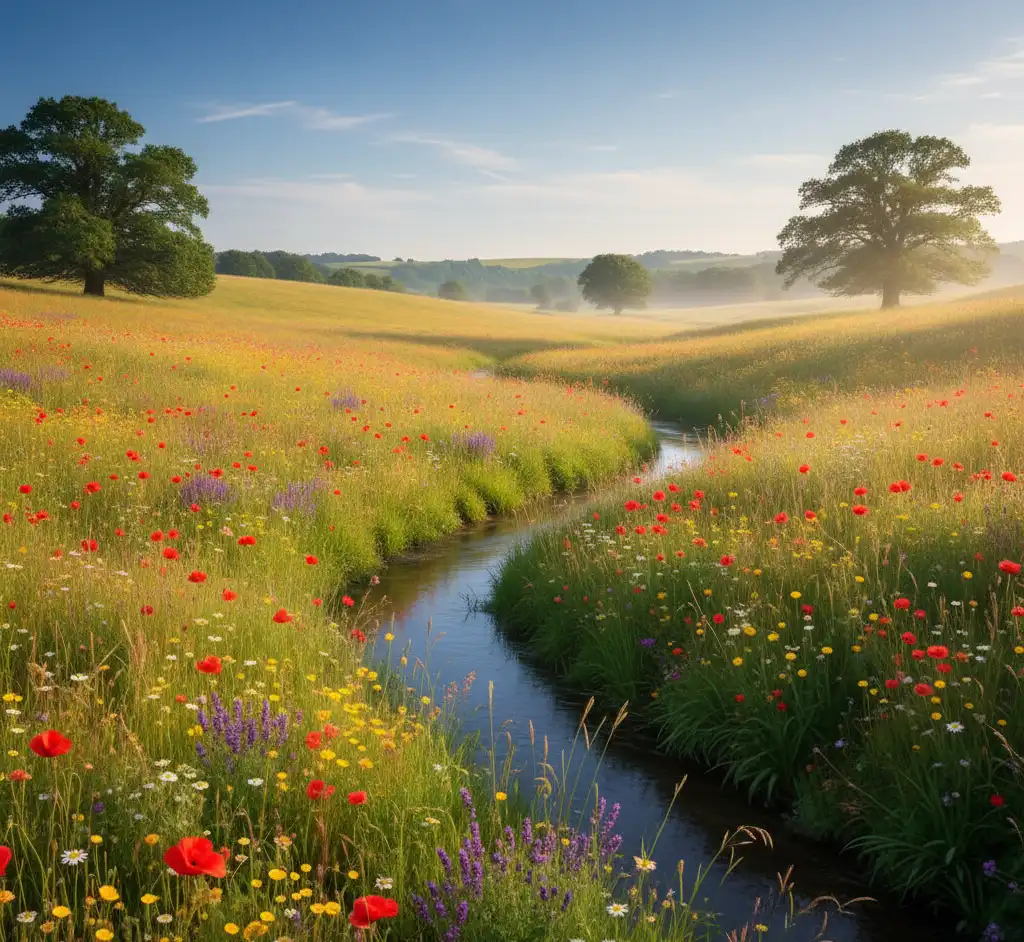
Summer Camping Guide for the UK — Tips, Gear and Best Spots
Summer camping in the UK — dealing with midges, heat, crowds, and making the most of the longest days for wild camping June to August.
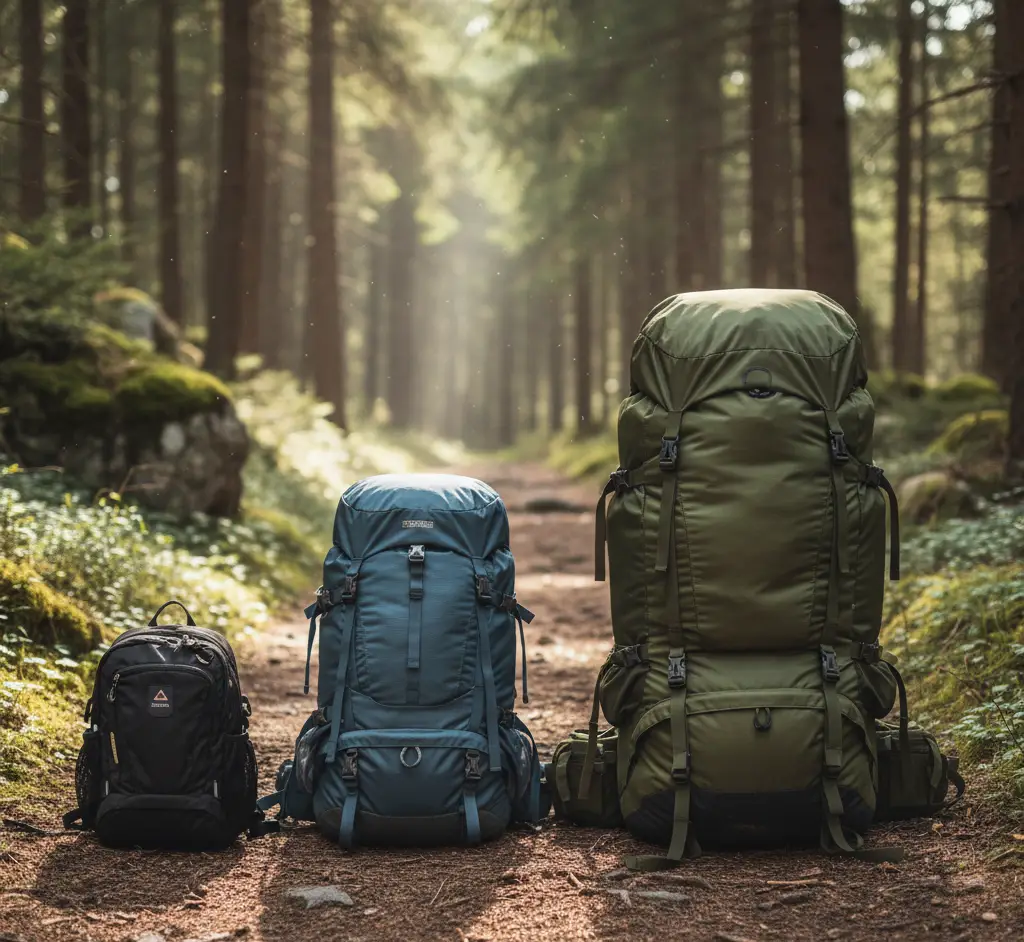
Best Rucksacks for Hiking and Wild Camping UK 2026
Best rucksacks and backpacks for hiking and camping in the UK 2026. Day packs to multi-day expedition rucksacks compared.