This page contains affiliate links. If you purchase through them we may earn a small commission at no extra cost to you. Learn more
Best Wild Camping on Scotland's Islands — Remote UK Camping
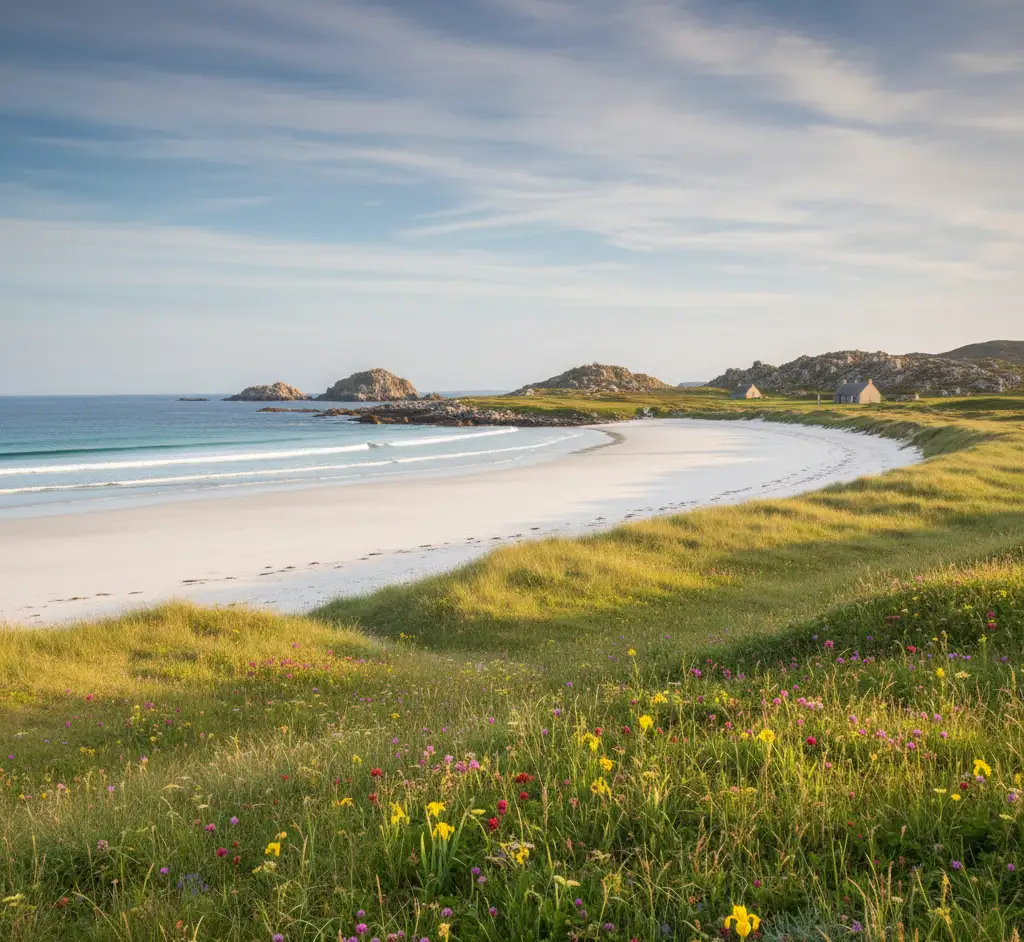
Best Wild Camping on Scotland's Islands
Scotland's islands are wild camping at its most magical. White sand beaches, sea cliffs, mountains rising straight from the ocean, and barely anyone around. The right to roam applies here just as it does on the mainland, and the camping is genuinely world-class.
The Right to Roam on Islands
Scotland's right to roam applies equally on the islands. The same responsibilities apply — camp in small numbers, stay briefly, leave no trace. Some popular beaches have seen overuse and litter problems, so standards matter.
Local communities on the islands are small and close-knit. Respect local customs, support local businesses, and remember that tourism is vital to island economies.
Best Islands for Wild Camping
Isle of Skye
Skye is probably the most famous wild camping destination in Scotland. The Cuillin ridge, the Quiraing, the Old Man of Storr — the landscape is extraordinary. But that fame comes with crowds.
The main tourist areas (Fairy Pools, Old Man of Storr car park) are not where you want to camp. Head deeper into the Cuillin, explore the Trotternish ridge beyond the popular spots, or find one of Skye's numerous hidden beaches.
The western coastline has stunning spots that see far fewer visitors than the east side near the main road.
Best for: Dramatic mountain and coastal camping. Go beyond the tourist hotspots.
Isle of Harris
Harris has some of the most beautiful beaches in the world — and that's not an exaggeration. White shell sand, turquoise water, and mountains behind. If the weather cooperates, it looks like the Caribbean (it doesn't feel like it — bring warm clothes).
The west coast beaches are the headline act, but the east coast's rocky, lunar landscape is equally impressive in a different way. Camping on or near the beaches is magical.
Best for: Beach camping that rivals anywhere on earth. Photography heaven.
Harris beaches in good weather genuinely look tropical. The water is crystal clear and the sand is white. Just don't expect tropical temperatures — a warm sleeping bag is still essential.
Isle of Lewis
Connected to Harris by road, Lewis has a different character — flatter, more moorland, with a rich cultural heritage. The standing stones at Callanish are atmospheric but not a camping spot.
The coastline is rugged and wild, with hidden beaches and sea stacks. Inland, the moor stretches endlessly — characterful if you like open spaces.
Best for: Combining cultural heritage with coastal wild camping.
Isle of Mull
Mull is the third-largest Scottish island and one of the most accessible (ferry from Oban). The mountainous interior, dramatic coastline, and wildlife (sea eagles, otters, deer) make it excellent for camping.
Ben More is the only Munro on an island outside Skye, and the terrain around it offers proper mountain camping. The coast, particularly the south and west, has beautiful beaches and rocky coves.
Best for: Accessible island camping with good wildlife watching.
Orkney
Orkney is different from the Hebrides — lower, flatter, and with an extraordinary concentration of Neolithic archaeology. The camping is coastal rather than mountain, and the archaeological landscape is unique.
The mainland of Orkney is the most accessible, but the smaller islands (Hoy, Rousay, Westray) offer more remote camping. Hoy has cliffs and hills that feel more like the Highlands.
Best for: Combining archaeology and history with coastal camping.
Other Islands Worth Considering
- Jura — wild, mountainous, and barely populated. The Paps of Jura are iconic.
- Rum — a nature reserve with dramatic mountains and limited visitor numbers.
- Arran — often called "Scotland in miniature." Good hills and accessible.
- Shetland — remote, windswept, and unique. Viking heritage and stunning sea cliffs.
Practical Considerations
Getting There
Ferries are the main access for most islands. CalMac operates services to the Hebrides and smaller islands. NorthLink runs to Orkney and Shetland.
Book ferries in advance during summer — popular routes sell out, especially vehicle spaces. Foot passengers usually have less trouble.
Some islands (Barra, Orkney) have small airports with flights from Glasgow or Edinburgh.
Weather
Island weather is dominated by the sea. That means:
- Milder winters but cooler summers than the mainland
- Wind — lots of wind. Coastal and exposed camping means choosing sheltered spots
- Rain can arrive quickly from the Atlantic
- Fog can roll in and persist
Midges
Midges are present on Scottish islands, particularly on Skye and Mull. Exposed, windy coastal spots are your best defence. Inland sheltered areas in summer are midge territory.
Resupply
Island shops are limited and may have restricted opening hours. Main towns (Portree on Skye, Stornoway on Lewis, Tobermory on Mull) have reasonable shops. Smaller islands may have a single shop.
Carry enough food for your trip plus a day's emergency rations.
Island weather can strand you — ferries cancel in high winds, and roads can flood. Always have a buffer day in your plans and enough food and fuel to wait out bad weather.
Wildlife
Scotland's islands are rich in wildlife. Seals, otters, sea eagles, puffins (in season), and dolphins are all possible. Keep your distance, especially from seals on beaches — they can be surprisingly aggressive if you approach too closely.
Seasonal Guide
Spring (April to May): Warming up, longer days, wildflowers. Ferries less busy. Great time for bird life.
Summer (June to August): Warmest weather, longest days. Busiest period — book ferries early. Midges at their worst.
Autumn (September to October): Quieter, beautiful light, deer rut. Weather more unsettled. Reduced ferry timetables on some routes.
Winter: Short days, storms, limited ferries. Wild and atmospheric but only for the prepared. Some island services close for winter.
Recommended Gear for Island Camping
Island camping means wind, midges, and limited resupply. These items cover the essentials.
Smidge Insect Repellent Spray
Amazon UK75ml
Saltidin 20%
Up to 8 hours
Yes
Pros
- +Effective against island midges, especially Skye and Mull
- +DEET-free and skin-safe
- +Compact enough for island travel
Cons
- −Needs reapplication in heavy sweating
Midges on Skye and Mull can be brutal. Smidge is the most reliable defence — pack it alongside your ferry ticket.
View dealAffiliate link — we may earn a small commission at no extra cost to you
Vango Nevis 200 Tent
Amazon UK2.5kg
2
3
42 x 14cm
Pros
- +Handles island wind well for the price
- +Low profile suits exposed coastal pitches
- +Reliable three-season performance
Cons
- −Heavier than ultralight options for island hopping
Island wind is relentless. A tent that pitches low and handles gusts reliably is worth its weight on any Scottish island.
View dealAffiliate link — we may earn a small commission at no extra cost to you
Sawyer Squeeze Water Filter
Amazon UK85g
1.7 litres per minute
0.1 micron hollow fibre
Up to 400,000 litres
Pros
- +Lightweight for island travel where water sources vary
- +Fast flow rate
- +Extremely long filter lifespan
Cons
- −Can clog in peaty water — needs backflushing
Island water sources vary in quality. A lightweight filter means you can camp anywhere without carrying excessive water.
View dealAffiliate link — we may earn a small commission at no extra cost to you
Ready to gear up?
Use our kit builder to get a complete packout list tailored to your trip type, terrain, and budget — with prices and buy links.
Related reading
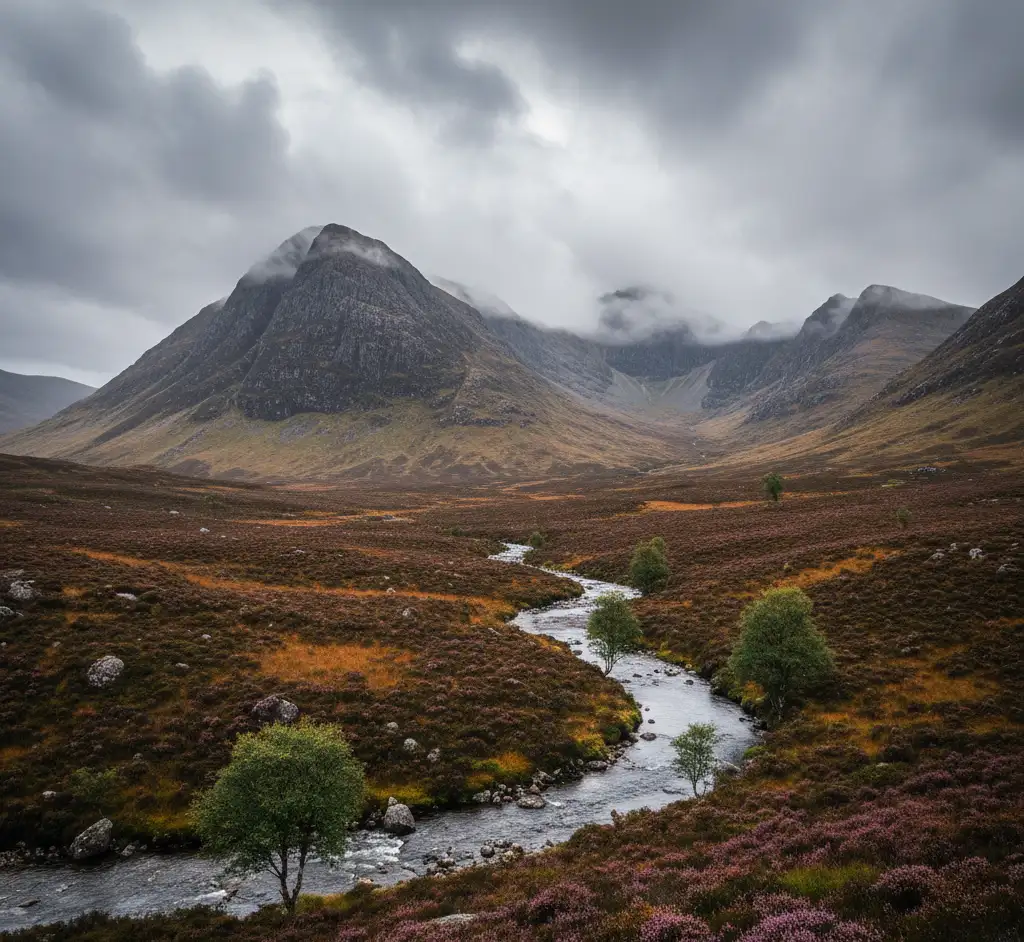
Best Wild Camping in the Scottish Highlands — Spots and Tips
A guide to the best areas for wild camping in the Scottish Highlands — where to go, when to visit, and how to make the most of Scotland's right to roam.
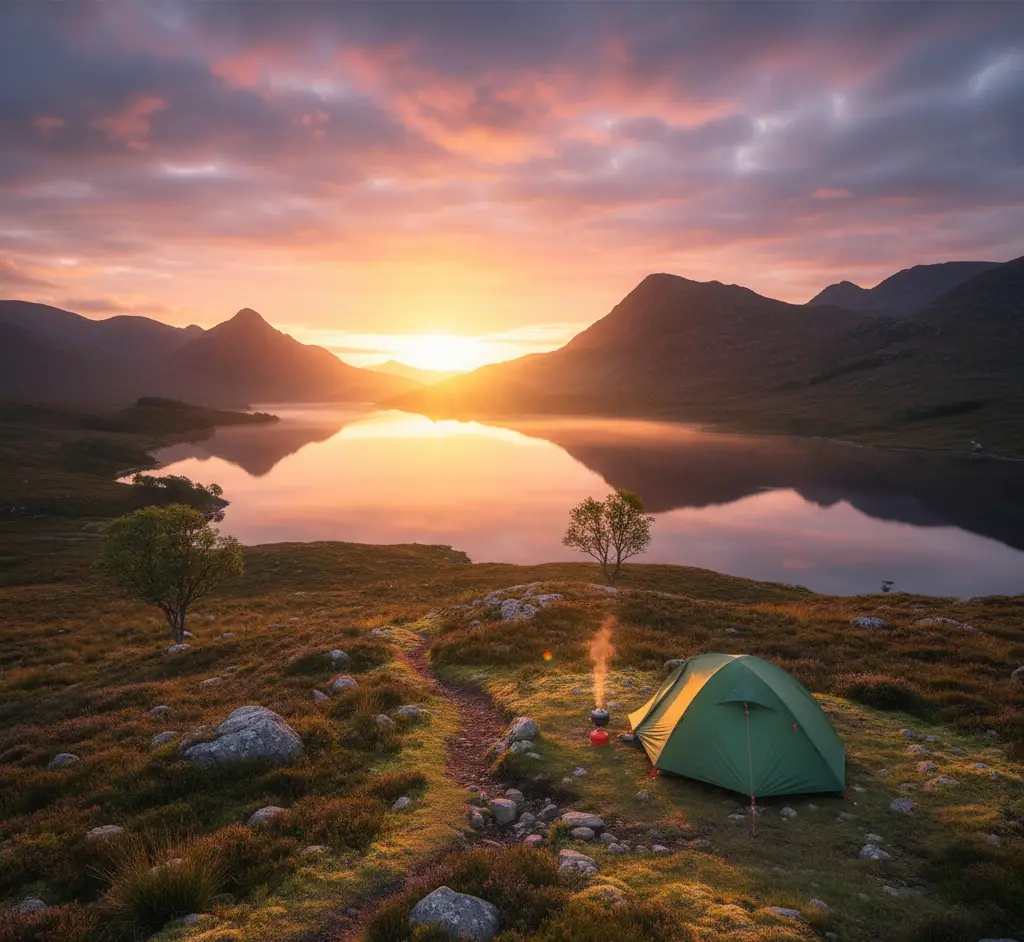
Wild Camping & Campsites in the UK — The Complete Guide
Everything you need to know about wild camping in the UK — where it's legal, where it's tolerated, and how to do it responsibly.
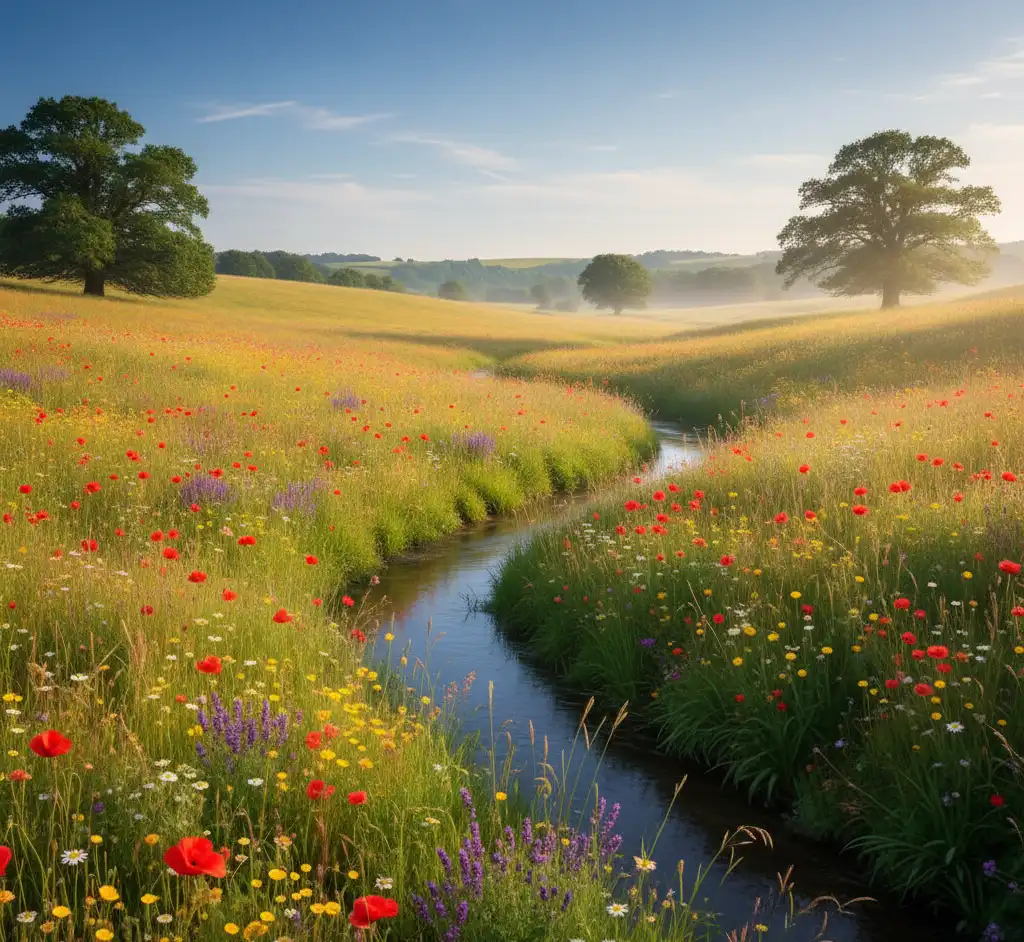
Summer Camping Guide for the UK — Tips, Gear and Best Spots
Summer camping in the UK — dealing with midges, heat, crowds, and making the most of the longest days for wild camping June to August.
Best Rucksacks for Hiking and Wild Camping UK 2026
Best rucksacks and backpacks for hiking and camping in the UK 2026. Day packs to multi-day expedition rucksacks compared.