This page contains affiliate links. If you purchase through them we may earn a small commission at no extra cost to you. Learn more
Outdoor Liability and Insurance in the UK — Complete Guide
Legal disclaimer
This is general information, not legal advice. Laws change — verify current legislation before acting on anything you read here.
Quick Summary
- Mountain rescue in the UK is free — they're a charity and never charge for callouts
- Landowners have a duty of care to visitors under the Occupiers' Liability Acts, but it's reduced for trespassers
- If you lead a group outdoors, you could be personally liable if something goes wrong due to negligence
When Things Go Wrong
Nobody heads outdoors expecting an accident. But slips, falls, injuries, and emergencies happen — even to experienced people. When they do, the question of who's responsible and who pays can be surprisingly complicated.
This guide covers the main liability and insurance issues that affect people spending time outdoors in the UK.
Mountain Rescue — It's Free
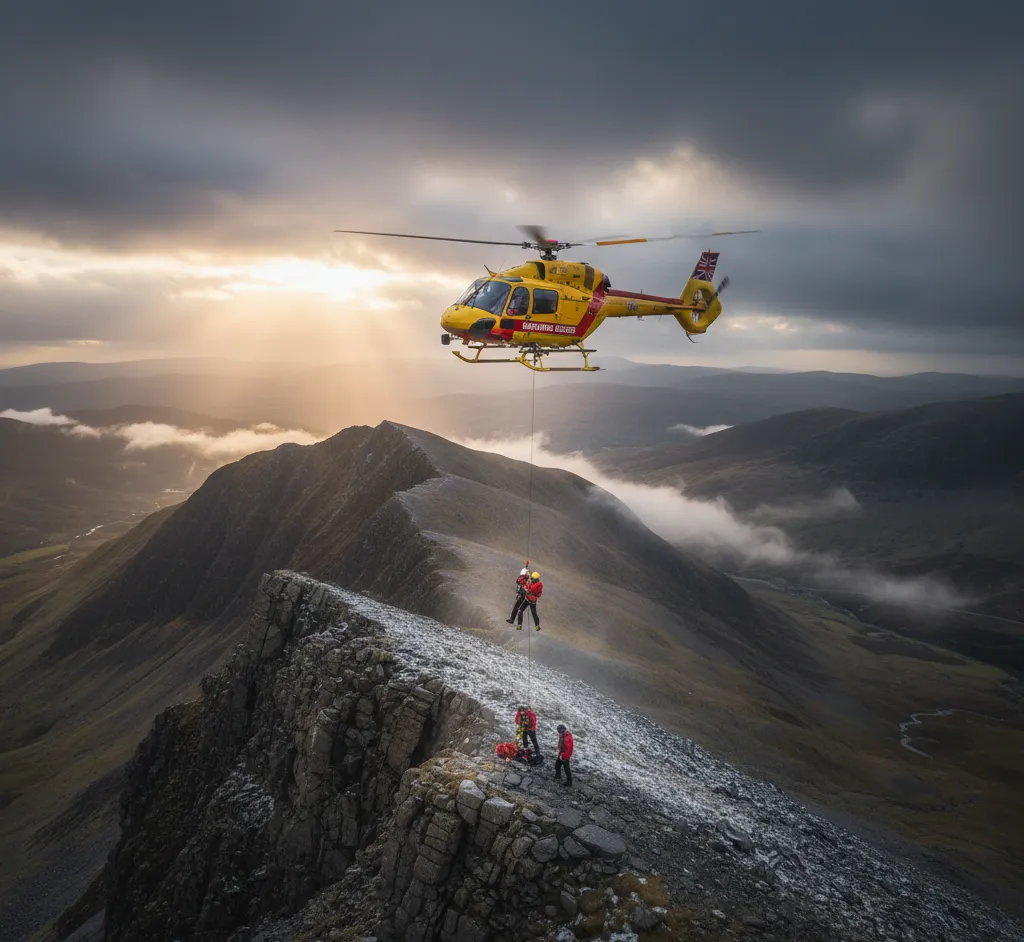
Let's get the big one out of the way first. Mountain rescue in the UK does not charge for callouts. Not ever. Not even if it was your fault. Not even if you were doing something daft.
Mountain rescue teams across England, Wales, and Scotland are volunteer organisations funded by charitable donations. When they come to help you — whether it's a broken leg on Snowdon or hypothermia in the Cairngorms — there's no bill afterwards.
The same applies to cave rescue and lowland search and rescue teams.
Coastguard and RAF search and rescue helicopter callouts are also free — these are government-funded services.
Mountain rescue is free, but it relies on donations. If a team helps you, consider making a donation afterwards. And if you're a regular hillwalker, a small annual donation to your local team is a brilliant way to give back.
The NHS Factor
If you're injured outdoors and need hospital treatment, that's covered by the NHS as with any other injury. There's no separate charge for being treated after an outdoor accident.
Occupiers' Liability
The Occupiers' Liability Acts of 1957 and 1984 set out the duty of care that landowners and occupiers owe to people on their land.
Lawful Visitors (1957 Act)
Under the Occupiers' Liability Act 1957, a landowner owes a "common duty of care" to lawful visitors — people who have permission or a legal right to be there. This means taking reasonable steps to ensure visitors are reasonably safe.
For outdoor land, this doesn't mean eliminating every natural hazard (you can't fence off every cliff). But it does mean:
- Warning of known dangers that aren't obvious
- Maintaining paths and structures in reasonable condition
- Not creating new hazards carelessly
Trespassers (1984 Act)
Under the Occupiers' Liability Act 1984, a landowner still owes a duty to trespassers — but it's significantly reduced. The duty only arises if:
- The occupier knows or should know of the danger
- The occupier knows or should know that someone might be near the danger
- The risk is one against which the occupier should reasonably offer some protection
In practice, this means a landowner isn't liable for natural hazards on wild land just because a trespasser encounters them. But a concealed man-made hazard (like an unmarked open shaft) could create liability even towards trespassers.
CRoW Act and Liability
The CRoW Act 2000 includes specific provisions about liability on access land. Section 13 states that a landowner owes no duty of care to people exercising their right of access for risks arising from natural features, rivers, streams, ditches, or any wall, fence, or gate.
This was a deliberate policy choice — if landowners faced significant liability from people roaming across their land, they'd have been much less willing to accept the access provisions.
Group Leaders and Liability
If you lead a group outdoors — whether as a paid guide, a volunteer walk leader, or just the mate who organised the hike — you could be personally liable if someone is injured due to your negligence.
What Counts as Negligence?
You'd need to have fallen below the standard of care expected of a reasonable person in your position. This might include:
- Leading a group into conditions you knew were dangerous
- Failing to check that participants had appropriate equipment
- Ignoring obvious hazards
- Not having appropriate qualifications for the activity (where qualifications are expected)
- Not having an emergency plan
Protecting Yourself
- Get insurance. If you regularly lead groups, personal liability insurance is essential. Walking group leaders can often get cover through organisations like the Ramblers, British Mountaineering Council (BMC), or Mountaineering Scotland.
- BMC membership includes personal liability insurance for walking, climbing, and mountaineering activities.
- Risk assess. Document the hazards and your mitigations for any group activity.
- Brief participants. Make sure everyone knows what to expect and what they need.
Personal Insurance
BMC and Mountaineering Scotland
Membership of the British Mountaineering Council (BMC) or Mountaineering Scotland includes:
- Personal accident insurance
- Third-party liability insurance
- Mountain rescue contribution
- Overseas travel insurance for mountain activities
At around £30-50 per year for individual membership, this is exceptional value if you're regularly in the hills.
Travel Insurance
If you're heading outdoors in the UK, standard travel insurance may not cover adventure activities. Check your policy's definition of "adventure sports" and whether hiking, scrambling, or wild camping are included.
Equipment Insurance
Your home contents insurance may cover outdoor kit taken away from home — but check the limits and exclusions. Specialist outdoor equipment insurance is available if you're carrying expensive gear.
Liability While Wild Camping
If you're wild camping (technically trespassing in England and Wales), the reduced duty of care under the 1984 Act applies to you. The landowner owes you less of a duty than if you were there by invitation.
Conversely, if you cause damage to the land — fire damage, litter, damage to fences or walls — you could be liable for the cost of repair.
Event Organisers
If you're organising an outdoor event — a fell race, a charity walk, an adventure day — you need:
- Public liability insurance (typically £5-10 million cover)
- A documented risk assessment
- Appropriate permissions from landowners
- Emergency plans including communication and evacuation procedures
Many insurers specialise in outdoor event cover. Don't skip this — a single serious injury at an uninsured event could be financially devastating.
Key Takeaways
- Mountain rescue is free. Never hesitate to call for help because you're worried about the cost.
- Landowners owe you a duty of care, but it's reduced if you're trespassing or on access land.
- Leading groups creates liability. Get insured and risk assess.
- BMC membership is a no-brainer for regular hillwalkers and climbers.
- If you cause damage, you're liable. Leave no trace isn't just good practice — it's legal protection too.
How to Protect Yourself Outdoors
Understanding liability is important, but practical preparation is what actually keeps you safe. The right safety gear reduces your risk of needing rescue in the first place, and gives you options when things do go wrong.
Carrying a well-stocked first aid kit, knowing basic outdoor first aid, and having reliable communication (even if it's just a fully charged phone with an emergency power bank) covers most situations. For group leaders, formal training and insurance through the BMC or a similar body provides both competence and legal protection.
Essential Safety Kit
Lifesystems Trek First Aid Kit
Amazon UK36 pieces
350g
Waterproof roll-up
Blister care, wound closure, burns dressing
Pros
- +Designed specifically for hikers and backpackers
- +Waterproof case keeps everything dry
- +Includes blister treatment — the most common trail injury
Cons
- −No medications included (add your own ibuprofen and antihistamines)
A properly stocked first aid kit is the most important piece of safety gear you can carry. This one covers the essentials for trail injuries and weighs next to nothing.
View dealAffiliate link — we may earn a small commission at no extra cost to you
Anker PowerCore 10000mAh Power Bank
Amazon UK10,000mAh
180g
USB-A, USB-C
iPhone ~3 times
Pros
- +Keeps your phone alive for emergency calls
- +Light enough to carry on every walk
- +Charges quickly via USB-C
Cons
- −Cold weather reduces capacity slightly
Your phone is your primary emergency communication device. A power bank means it stays alive even on long winter days when cold weather hammers the battery.
View dealAffiliate link — we may earn a small commission at no extra cost to you
SOL Emergency Bivvy
Amazon UK110g
Heat-reflective polyethylene
90% body heat
Palm-sized
Pros
- +Could genuinely save a life in an emergency
- +Weighs almost nothing — no excuse not to carry one
- +Wind and rain protection when you need it most
Cons
- −Not comfortable enough for planned use
- −One-time use in most cases
If someone in your group becomes hypothermic or injured, this buys time until help arrives. At 110g, the weight cost of carrying one is negligible.
View dealAffiliate link — we may earn a small commission at no extra cost to you
Related Guides
Ready to gear up?
Use our kit builder to get a complete packout list tailored to your trip type, terrain, and budget — with prices and buy links.
Related reading
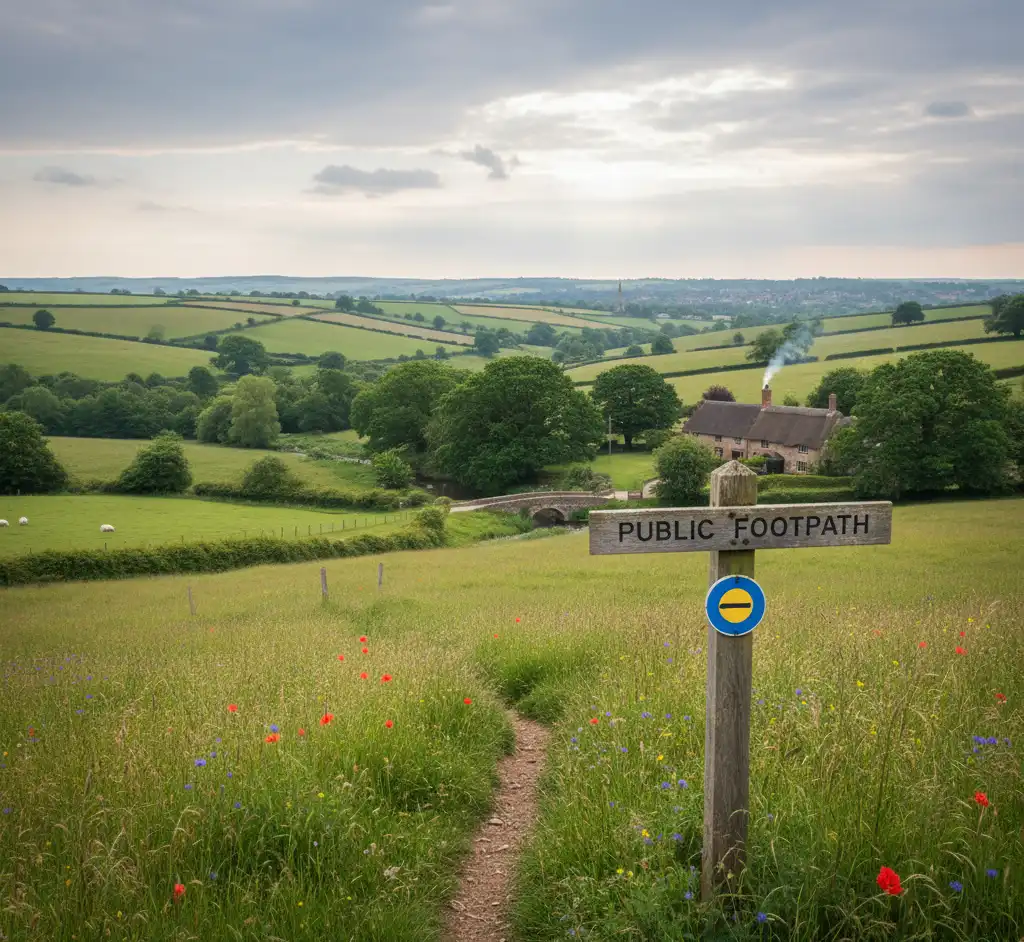
UK Outdoor Law and Safety — Your Complete Practical Guide
A plain-English guide to UK outdoor laws covering wild camping, knife law, foraging, right to roam, drones, and campfires.
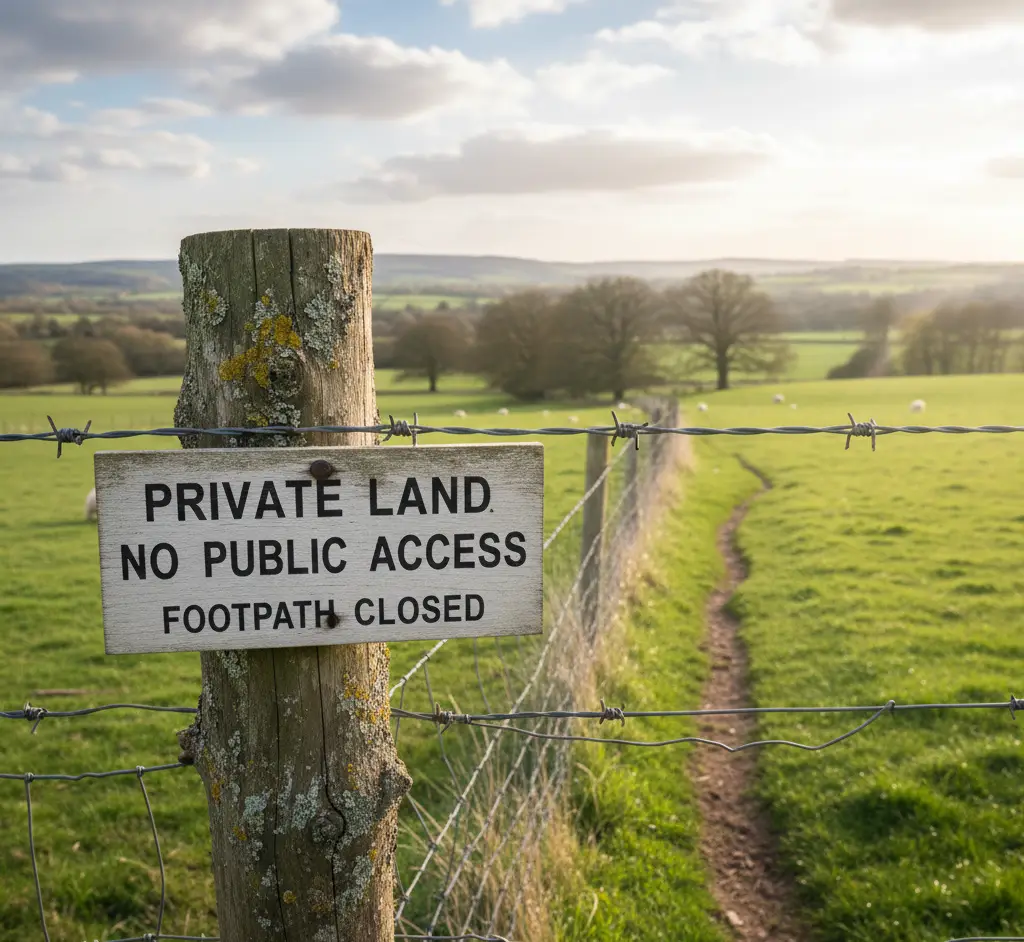
Trespass Law in the UK: Civil vs Criminal Trespass Explained
What happens if you trespass in the UK — civil trespass explained, aggravated trespass, and what landowners can and can't do.
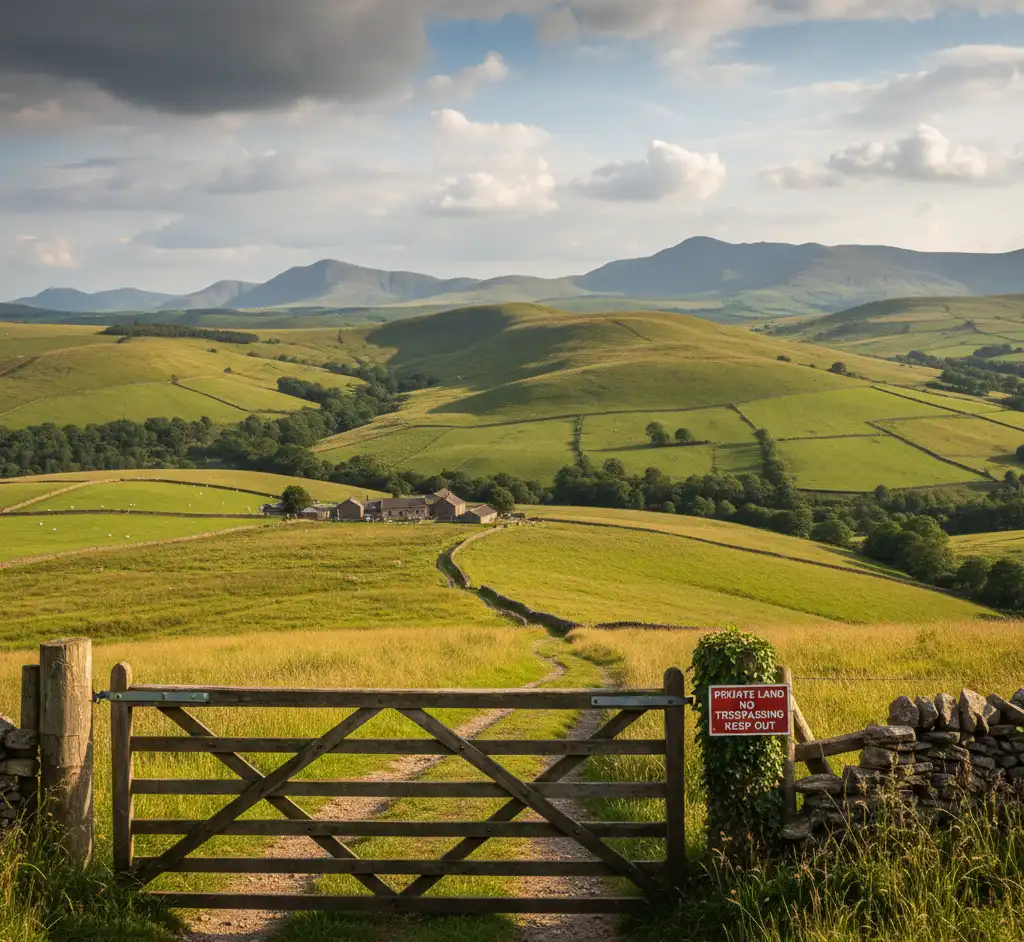
Wild Camping Law in England & Wales: What's Actually Legal
The legal position on wild camping in England and Wales — trespass, landowner permission, and how to camp responsibly without getting moved on.
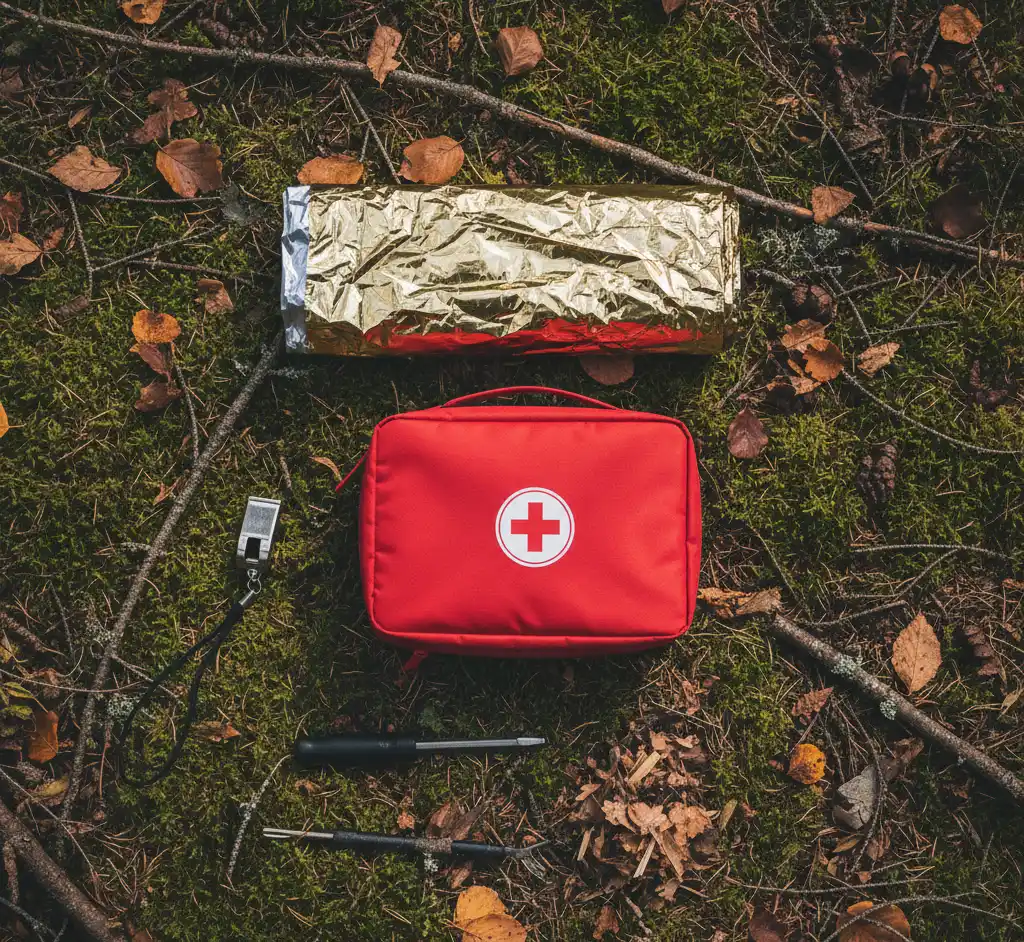
Best Outdoor Safety Gear for UK Hikers and Campers 2026
Best first aid kits, fire starters and emergency safety gear for UK outdoor adventures in 2026. Tested and compared for hikers and campers.