This page contains affiliate links. If you purchase through them we may earn a small commission at no extra cost to you. Learn more
Best Outdoor Safety Gear for UK Hikers and Campers 2026
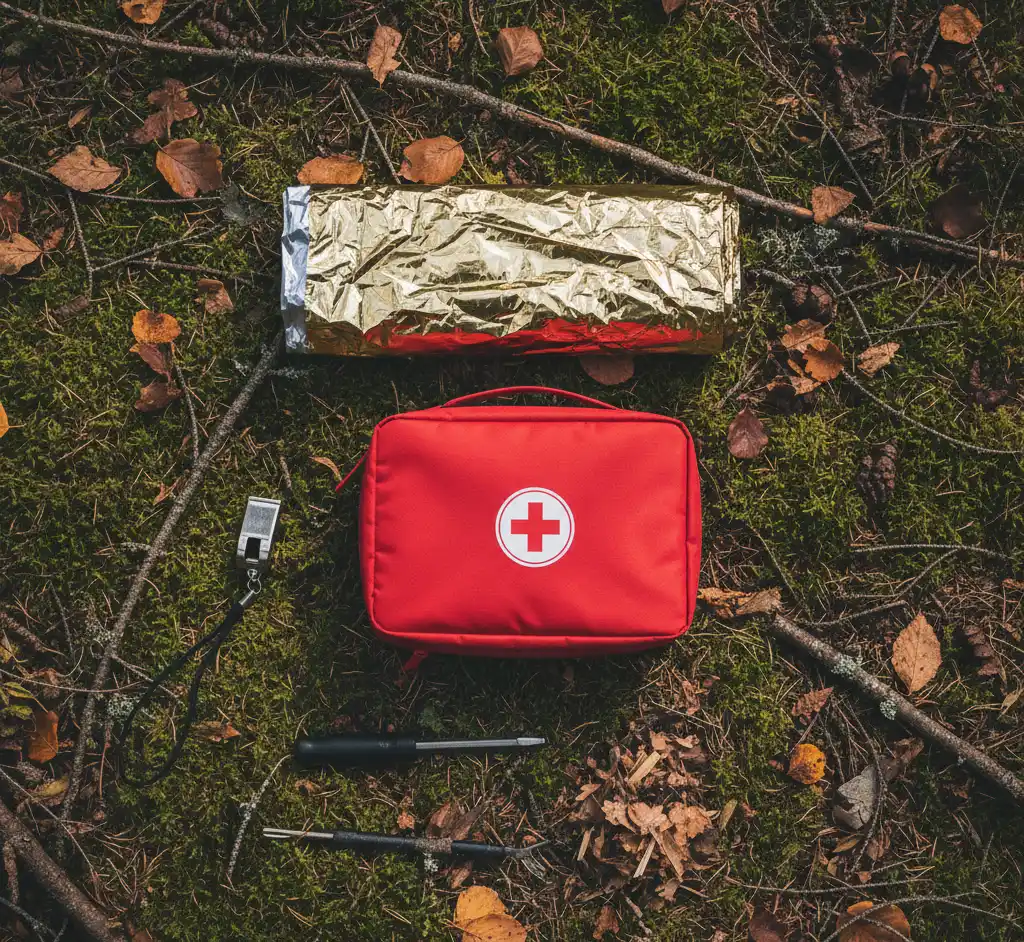
Safety Gear That Could Save Your Life
Nobody plans to get injured, lost or benighted on the hills. But it happens — to experienced walkers, not just beginners. A twisted ankle three hours from the car park in fading light and dropping temperatures is a genuine emergency if you're not prepared.
Mountain Rescue teams across the UK attend thousands of callouts every year. Many involve well-equipped, experienced walkers who simply had bad luck — a slip on wet rock, a sudden weather change, an unexpected injury. The difference between a manageable situation and a crisis often comes down to whether you're carrying basic safety gear.
Here's the safety gear that earns its weight every single trip.
Our Top Picks with Full Specs
Lifesystems Trek First Aid Kit
Amazon UK170g
30+ items
Waterproof
Tick remover, wound closures
Pros
- +Ready to use out of the box
- +Tick remover included — essential for UK walking
- +Compact enough for any day pack
Cons
- −No SAM splint for suspected fractures
- −Basic bandage quality — consider upgrading key items
The minimum first aid kit for every day walk. Buy it, add your personal meds, and always carry it.
View dealAffiliate link — we may earn a small commission at no extra cost to you
Light My Fire Swedish FireSteel 2.0
Amazon UK12,000
3,000°C
50g
Magnesium/ferrocerium
Pros
- +Works wet, works frozen, works at altitude
- +12,000 strikes — effectively unlimited
- +3,000°C sparks light virtually any dry tinder
Cons
- −Requires practice to use effectively
- −Needs good tinder — won't light damp leaves
The most reliable fire-starting tool you can carry. Practise at home before you depend on it in the field.
View dealAffiliate link — we may earn a small commission at no extra cost to you
Terra Nova Bothy Bag 2
Amazon UK300g
2 person
PU-coated nylon
Orange (high visibility)
Pros
- +Standard kit for UK Mountain Rescue teams
- +Blocks wind completely — dramatic warmth improvement
- +Reusable — lasts years with care
Cons
- −Needs two people to be most effective
- −Heavier than disposable emergency bivvy
Mountain Rescue carry these for a reason. If it's good enough for them, it's good enough for you.
View dealAffiliate link — we may earn a small commission at no extra cost to you
SOL Emergency Bivvy
Amazon UK110g
Reflective polyethylene
Orange exterior
213 x 91cm
Pros
- +Weighs nothing — no excuse not to carry it
- +Reflects 90% of body heat
- +Orange exterior for visibility
Cons
- −Essentially single-use
- −Condensation is horrific inside
- −Noisy and uncomfortable
Twelve quid of insurance that could save your life. Throw one in every pack and forget about it until you need it.
View dealAffiliate link — we may earn a small commission at no extra cost to you
Lifesystems Mountain Leader Pro
Amazon UK850g
60+ items
SAM splint, trauma shears
Waterproof, well-organised
Pros
- +SAM splint for improvised fracture management
- +Trauma shears cut through clothing quickly
- +Well-organised with labelled compartments
Cons
- −Heavy for solo day walks
- −Overkill if you walk alone on easy paths
The serious hiker's first aid kit. Especially valuable if you walk in groups or lead others.
View dealAffiliate link — we may earn a small commission at no extra cost to you
The Minimum Safety Kit (Under 500g)
Every pack, every walk, no exceptions:
| Item | Weight | Cost |
|---|---|---|
| Lifesystems Trek first aid | 170g | £15 |
| Firesteel + tinder | 50g | £15 |
| Emergency bivvy | 110g | £12 |
| Whistle | 10g | £3 |
| Head torch (with batteries) | 90g | £20 |
| Total | ~430g | ~£65 |
That's less than a can of beans and could literally save your life. There's no good reason not to carry it. We've carried this exact kit on every walk for years and the only items that ever need replacing are the batteries and occasionally the first aid supplies.
Building on the Basics
Once you have the minimum kit, consider adding:
- Blister care — Compeed plasters and zinc oxide tape (50g, ~£8). Blisters are the most common trail injury
- Tick remover — included in Lifesystems kits but carry a dedicated one if walking in tick-heavy areas (spring/summer in bracken and long grass)
- Emergency rations — a couple of energy bars that live permanently in your pack (100g, ~£3)
- Foil blanket — separate from the bivvy, useful for wrapping an injured companion while you're in the bivvy
- Notepad and pencil — for recording injury details, grid references and times for Mountain Rescue
First Aid Training
Gear is useless without knowledge. Take a 16-hour Outdoor First Aid course — Wilderness Medical Training and Expedition & Wilderness Medicine both run excellent UK courses. Learn how to manage bleeding, fractures, hypothermia and when to call Mountain Rescue (999, ask for Police, then Mountain Rescue).
A first aid course will teach you that most outdoor emergencies are manageable with basic skills and the right kit. You'll learn to assess injuries, prioritise care, and make good decisions under pressure. It's one of the best investments you can make as an outdoor enthusiast.
When to Call Mountain Rescue
Call if someone:
- Can't walk out under their own power
- Has a serious injury (fracture, head injury, significant bleeding)
- Is hypothermic and not improving
- Is lost in deteriorating conditions
Mountain Rescue is free, volunteer-run, and would rather come out unnecessarily than have you not call. Save the number: 999, then ask for Police, then Mountain Rescue.
Give them: your location (grid reference), the casualty's condition, number of people in your group, and what equipment you have. Stay on the phone and follow their instructions.
Ready to gear up?
Use our kit builder to get a complete packout list tailored to your trip type, terrain, and budget — with prices and buy links.
Related reading
UK Outdoor Law and Safety — Your Complete Practical Guide
A plain-English guide to UK outdoor laws covering wild camping, knife law, foraging, right to roam, drones, and campfires.
Carbon Monoxide Safety for UK Homes — Detection Guide
CO poisoning risks, detector placement, symptoms, and UK legal requirements. What to do if your alarm sounds or someone falls ill.