This page contains affiliate links. If you purchase through them we may earn a small commission at no extra cost to you. Learn more
Best Head Torches for UK Camping and Hiking 2026
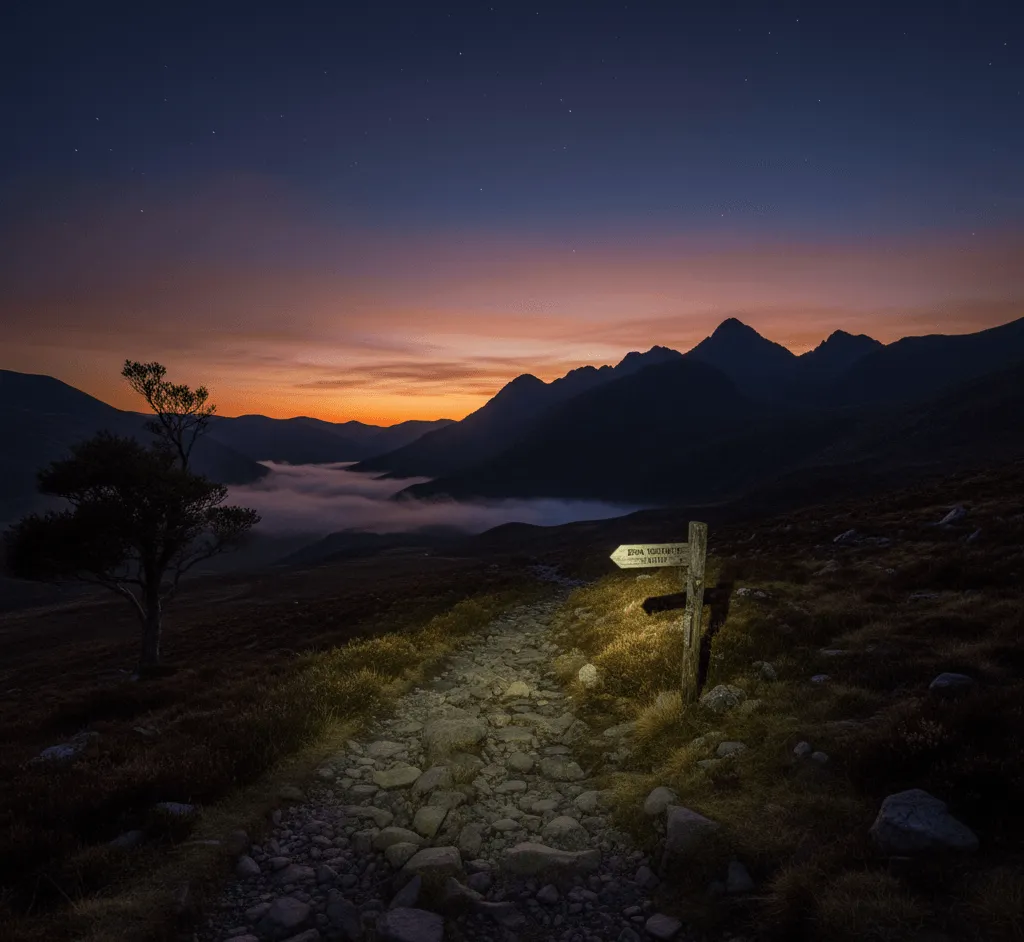
Why a Head Torch Matters in the UK
British daylight hours swing dramatically — from 16+ hours in June to barely 7 in December. If you're hiking between October and March, you'll almost certainly start or finish in the dark. A reliable head torch isn't optional kit; it's safety equipment.
Even in summer, you need light for around camp after sunset, navigating to the toilet block at 2am, or dealing with an unexpected late finish when that ridge walk took longer than planned. A head torch keeps your hands free — critical when you're pitching a tent, checking a map or scrambling down a rocky path in fading light.
What to Look For
Lumens: Brightness. 100 lumens is enough for camp tasks. 200–350 lumens covers most hiking. 500+ lumens is for trail running and technical night navigation. More isn't always better — high output drains batteries fast.
Beam pattern: Flood (wide, even light for close tasks) vs spot (focused, long-throw for trail following). The best headlamps offer both. For UK hillwalking, you want at least some flood for map reading and some spot for path-finding.
Power source: Rechargeable (USB) vs replaceable batteries (AAA). Rechargeable is cheaper long-term and better for the environment. Battery-powered is more reliable on multi-day trips where you can't charge. Some headlamps offer both — the ideal solution.
Weight: Matters more than you think. A heavy headlamp bouncing on your forehead during a long walk is deeply annoying. Under 100g is comfortable; over 150g gets noticeable.
IPX rating: Water resistance. IPX4 (splash-proof) is minimum for UK use. IPX7 (submersible) gives peace of mind in heavy rain. Anything below IPX4 will fail you in a Scottish downpour.
Rechargeable vs Battery: Which for UK Trips?
Day walks and weekenders: Rechargeable. Charge at home, use on the hill, done. A 300-lumen headlamp on medium will last 8+ hours per charge — more than enough.
Multi-day trips (3+ days): Either carry a small power bank for USB headlamps, or bring a battery-powered headlamp with spare AAAs. Models like the Black Diamond ReVolt that accept both are ideal.
Winter hillwalking: Cold temperatures reduce battery capacity by up to 40%. Keep your headlamp inside your jacket to keep the battery warm. Lithium AAAs perform better in cold than alkaline, and rechargeable lithium cells (like in the Petzl Nao RL) handle cold better than NiMH.
Red Light Mode — More Important Than You Think
Red light preserves your night vision. It takes 20–30 minutes for your eyes to fully adapt to darkness, and one blast of white light resets the clock. Use red light around camp, when checking maps at night, or in shared sleeping spaces. Every headlamp above the very cheapest includes red mode — make sure yours does.
Ready to gear up?
Use our kit builder to get a complete packout list tailored to your trip type, terrain, and budget — with prices and buy links.
Related reading
Lightweight Camping Guide — Going Ultralight in the UK
How to reduce your camping pack weight without sacrificing comfort or safety — practical ultralight tips for UK wild camping.

Autumn Camping Guide for the UK — Tips, Gear and Best Spots
Autumn camping in the UK — shorter days, stunning colours, and quieter trails. How to camp comfortably from September to November.

Best Wild Camping in the Brecon Beacons (Bannau Brycheiniog)
Wild camping in the Brecon Beacons — best areas for mountain and moorland camping in Wales's most accessible mountain national park.
Build your kit
Get a tailored packout list with prices and buy links.
Start building