This page contains affiliate links. If you purchase through them we may earn a small commission at no extra cost to you. Learn more
Best First Aid Kits for UK Hikers and Campers 2026
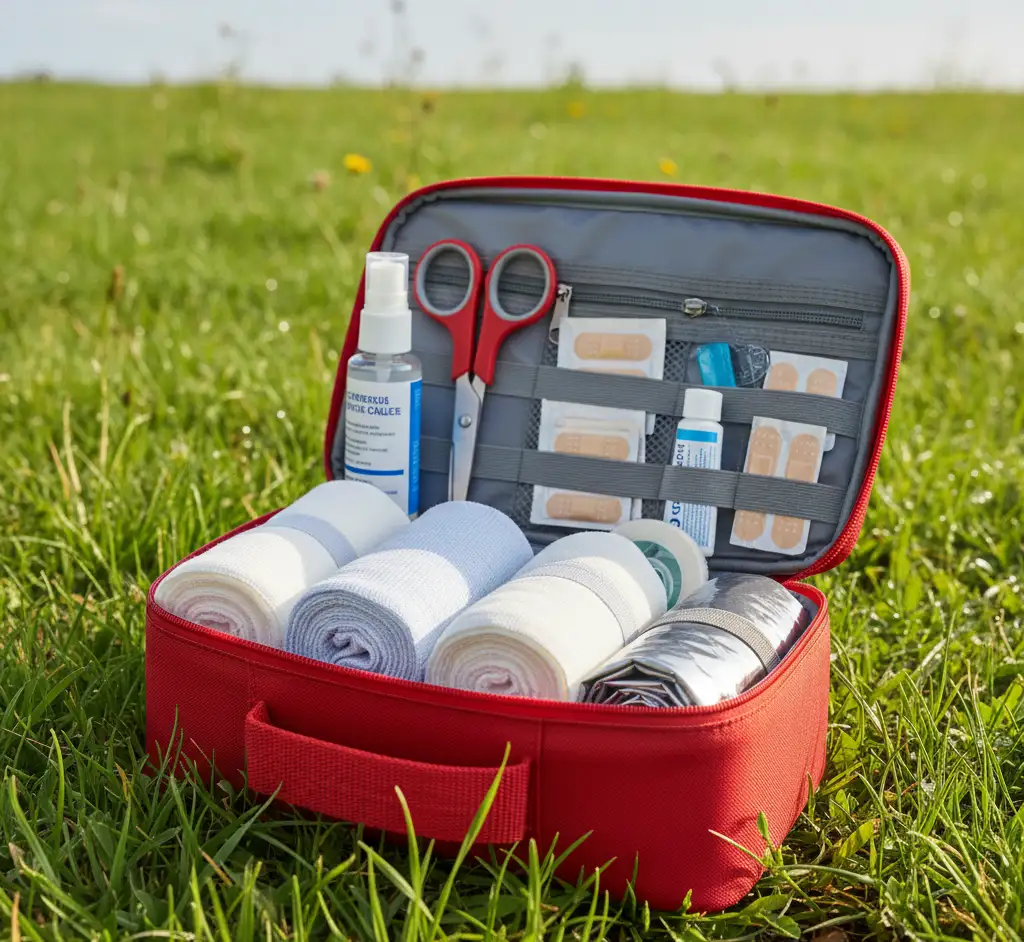
Pre-Made vs. DIY First Aid Kit
Pre-made kits are convenient starting points but they're never perfect for everyone. The best approach: buy a quality pre-made kit, then add your personal items.
Top 5 Pre-Made First Aid Kits
1. Lifesystems Trek — ~£15 (Best for Day Walks)
Compact, lightweight (170g), covers the basics: bandages, plasters, wound closures, antiseptic wipes, tick remover. Comes in a waterproof pouch.
Pros: Compact, good basics, tick remover included, affordable Cons: No SAM splint, basic bandage quality, limited wound care
2. Lifesystems Mountain Leader Pro — ~£50 (Best for Group Leaders)
Comprehensive: SAM splint, trauma shears, comprehensive wound care, CPR face shield, multiple bandage types. 850g but covers serious situations.
Pros: Very comprehensive, good quality components, well-organised case Cons: Heavy, overkill for solo day walks, expensive
3. Lifesystems Adventurer — ~£25 (Best Mid-Range)
Good middle ground between Trek and Mountain Leader. Includes more bandages, better wound care, and a wider variety of plasters. 300g.
Pros: Good balance of size and contents, well-priced, comprehensive enough Cons: Still missing some items you'd want for multi-day trips
4. Care Plus Compact — ~£18 (Best Alternative Brand)
Dutch brand with good quality components. Similar to Lifesystems Trek but with slightly different contents — includes emergency blanket.
Pros: Emergency blanket included, good quality, compact Cons: Less widely available in UK shops, slightly pricier for similar contents
5. St John Ambulance Personal — ~£12 (Best Budget)
Basic but from a trusted first aid organisation. Covers plasters, bandages and wound cleaning. Minimal but adequate for low-risk activities.
Pros: Trusted brand, cheap, simple, covers basics Cons: Very basic, missing many useful items, cheap pouch
Items to Add to Any Kit
- Personal medications — inhalers, EpiPens, antihistamines
- Blister care — Compeed plasters, moleskin, zinc oxide tape
- Ibuprofen and paracetamol
- Antihistamine tablets — for stings and allergic reactions
- Rehydration sachets — Dioralyte
- Tweezers — good quality, pointed
- Nitrile gloves — at least 2 pairs
First Aid Training
A kit without knowledge is just a bag of stuff. Take a course:
- St John Ambulance — 1-day and 2-day courses from ~£100
- British Red Cross — similar offerings
- Outdoor First Aid (16-hour) — specifically for remote situations, highly recommended for regular hikers
Recommended Products
Lifesystems Trek
Amazon UK170g
30+
Waterproof
Pros
- +Compact with tick remover
- +Waterproof pouch
- +Widely available
Cons
- −Basic component quality
- −No SAM splint
The minimum first aid kit for every day walk.
View dealAffiliate link — we may earn a small commission at no extra cost to you
Lifesystems Mountain Leader Pro
Amazon UK850g
60+
SAM splint
Pros
- +SAM splint and trauma shears
- +Comprehensive
- +Well-organised
Cons
- −Heavy for solo use
- −Pricier
The serious hikers first aid kit.
View dealAffiliate link — we may earn a small commission at no extra cost to you
St John Ambulance Personal Kit
Amazon UK120g
15+
Trusted
Pros
- +Trusted first aid brand
- +Very cheap
- +Covers basics
Cons
- −Very basic contents
- −Cheap pouch
The absolute minimum from a trusted organisation.
View dealAffiliate link — we may earn a small commission at no extra cost to you
Customising Your Kit
Every pre-made kit is a starting point. Add: personal medications, blister care (Compeed + zinc oxide tape), ibuprofen and paracetamol, antihistamines, rehydration sachets, tweezers, and nitrile gloves. Remove items you will never use to save weight.
First Aid Training
Gear without knowledge is just a bag of stuff. Minimum: 16-hour Outdoor First Aid course. Options: St John Ambulance, British Red Cross, Wilderness Medical Training. Refresh every 3 years. Cost: around 100-200 pounds. Value: potentially priceless.
Kit Organisation
A well-organised kit is usable in a hurry. Use colour-coded dry bags or labelled compartments so you can find what you need quickly, especially in emergencies where stress reduces your ability to think clearly. Practice locating items in your kit in the dark — you may need to use it at night during a power cut or emergency.
Regular Testing
Every item in your kit should be tested periodically. Torches need battery checks. Food needs rotation before expiry. Medications need expiry date verification. Water containers need cleaning. First aid supplies need replenishing after use. Set a calendar reminder every 6 months to audit your kit.
Scaling Your Kit
Start with the essentials and build up over time. You do not need to buy everything at once. The core of any emergency kit — water, food, warmth, light, first aid — can be assembled for under 50 pounds using items from Decathlon, Poundland, and your existing wardrobe. Add specialist items as budget allows. A basic kit today is infinitely better than a perfect kit you never get around to building.
Sharing Knowledge
Once you have built your kit, encourage family members and friends to do the same. Share what you have learned about practical preparedness. The UK government recommends every household should be able to sustain itself for 72 hours without external assistance. Most households are not prepared for even 24 hours. Be the exception.
Ready to gear up?
Use our kit builder to get a complete packout list tailored to your trip type, terrain, and budget — with prices and buy links.