This page contains affiliate links. If you purchase through them we may earn a small commission at no extra cost to you. Learn more
Best Trekking Poles for UK Hiking and Hill Walking 2026
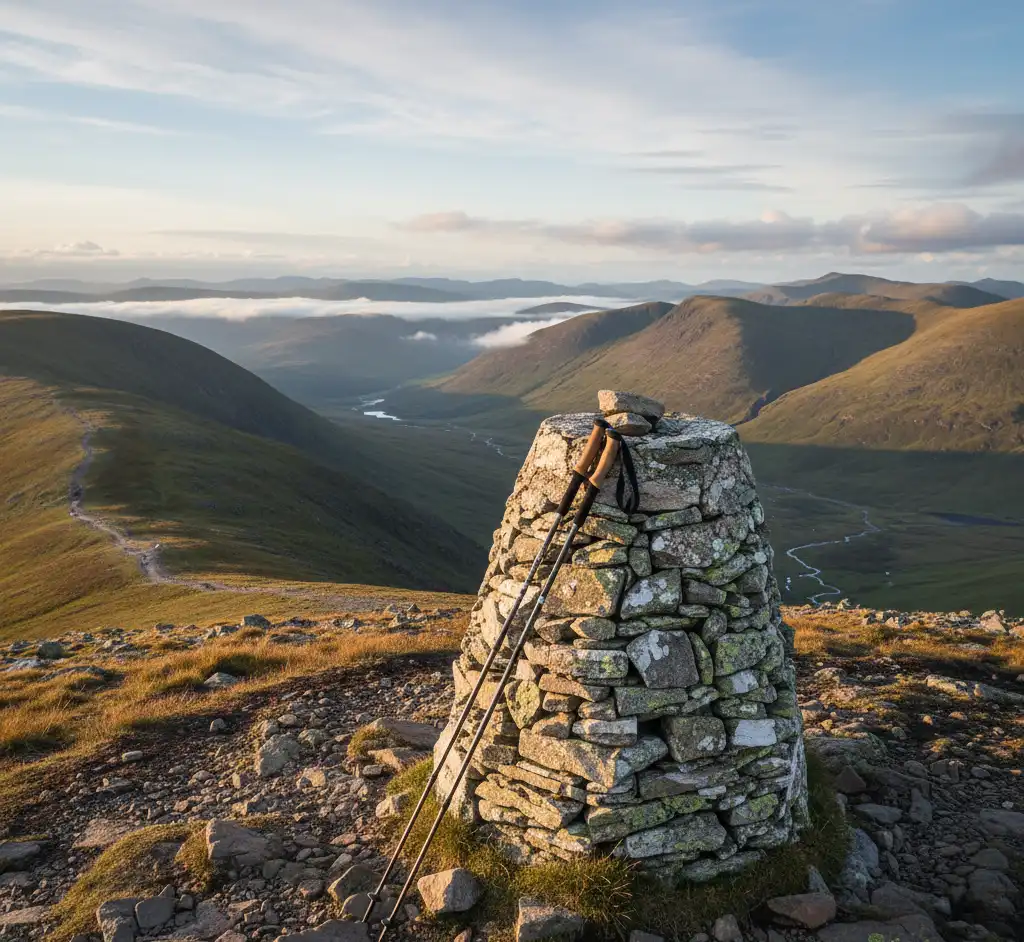
Do You Need Trekking Poles?
They're not essential, but they reduce knee impact by up to 25% on descents, improve balance on rough ground, and help with steep climbs. If you have dodgy knees, they're genuinely transformative. They also double as tarp poles for ultralight campers — multi-use gear at its best.
The evidence is clear: poles reduce the load on your joints, especially on descents. For anyone over 40, carrying a heavy pack, or walking on rough terrain, they're one of the best investments you can make. They also improve confidence on slippery, wet surfaces — which describes most UK mountain paths for most of the year.
Top 5 Trekking Poles
1. Leki Makalu FX Carbon — ~£90 (Best Overall)
Carbon fibre, 220g per pole, folding design that packs small. Speed Lock 2+ adjustment is excellent. Comfortable grip with extended foam for choking up on traverses.
Pros: Light, compact, excellent locks, comfortable grip Cons: Carbon can snap on impact, more expensive, tips wear
2. Black Diamond Trail Ergo Cork — ~£75 (Most Comfortable)
Cork grip moulds to your hand over time. Aluminium shaft is tough and forgiving. FlickLock adjustment is reliable. 490g per pole — not the lightest but very comfortable.
Pros: Cork grip is supremely comfortable, durable aluminium, reliable locks Cons: Heavier than carbon, non-folding so bulkier
3. Decathlon Forclaz MT500 — ~£35 (Best Budget)
Aluminium, 280g per pole, twist-lock adjustment. Comfortable foam grip with extended grip section. At thirty-five quid for a pair, you can try poles without commitment.
Pros: Very cheap, reasonable weight, functional design Cons: Twist locks can slip, less refined than premium options
4. Alpkit Doublesticks Carbon — ~£50 (Best Value Carbon)
Carbon fibre at Alpkit's pricing. Three-section folding, 195g per pole, with cork/foam hybrid grip. Excellent value for carbon poles.
Pros: Carbon weight at mid-range price, folding design, light Cons: Tips wear quickly, z-fold cord can stretch over time
5. Komperdell Carbon FXP 4 Trail — ~£110 (Best Ultra-Compact)
Four-section folding design packs to just 37cm. 215g per pole. Perfect for runners and those who want poles that disappear into a pack when not needed.
Pros: Incredibly compact when folded, light, quick deployment Cons: Expensive, four-section design adds flex, less rigid than three-section
Leki Makalu FX Carbon
Amazon UK220g per pole
Carbon fibre
Folding (3-section)
Speed Lock 2+
Pros
- +220g per pole — noticeably lighter on long days
- +Speed Lock 2+ is the best locking mechanism available
- +Extended foam grip for choking up on traverses
Cons
- −Carbon can snap if wedged between rocks
- −Tips need replacing every 1-2 seasons
The best all-round trekking pole for UK hiking. Light, compact, reliable.
View dealAffiliate link — we may earn a small commission at no extra cost to you
Decathlon Forclaz MT500
Amazon UK280g per pole
Aluminium
Telescopic (3-section)
Twist-lock
Pros
- +Thirty-five quid for a pair of functional trekking poles
- +Aluminium bends but doesn't snap — more forgiving than carbon
- +Foam grip is comfortable enough for day walks
Cons
- −Twist locks can slip under heavy use
- −Heavier than carbon options
The poles to buy if you're not sure you'll use poles. Cheap enough to try without regret.
View dealAffiliate link — we may earn a small commission at no extra cost to you
Alpkit Doublesticks Carbon
Amazon UK195g per pole
Carbon fibre
Folding (3-section)
Cork/foam hybrid
Pros
- +Carbon weight at Alpkit pricing — outstanding value
- +195g per pole is lighter than most budget options
- +Cork/foam hybrid grip handles sweat well
Cons
- −Z-fold cord can stretch over time, affecting rigidity
- −Tips wear faster than Leki replaceable tips
Carbon poles at a price that makes aluminium hard to justify. Best value carbon option available.
View dealAffiliate link — we may earn a small commission at no extra cost to you
Choosing Between Aluminium and Carbon
| Aluminium | Carbon | |
|---|---|---|
| Weight | Heavier (250–350g) | Lighter (180–250g) |
| Durability | Bends but doesn't snap | Can snap on impact |
| Cost | Cheaper | More expensive |
| Vibration | More | Less |
| Best for | Rough terrain, budget | Ultralight, long days |
Our advice: Aluminium for rough, rocky terrain where you might wedge a pole between rocks. Carbon for long days where every gram matters and you're on paths. If in doubt, aluminium is more forgiving.
Tips and Baskets
- Rubber tips for roads, paths and rocky ground — protect the carbide tip and reduce noise
- Carbide tips for soft ground, mud and steep terrain — better grip
- Snow baskets in winter to stop poles sinking — swap standard baskets for wider ones
- Replace tips annually if you walk on rock regularly — worn tips lose grip and effectiveness
Proper Pole Technique
Most people set their poles too long. For flat walking, your elbow should be at 90 degrees when holding the pole with the tip on the ground. Shorten by 5-10cm for uphill, lengthen by 5-10cm for downhill.
Use the wrist straps — they transfer energy from your arm to the pole without requiring a death grip. Slide your hand up through the strap, then grip. The strap should support your weight if you release your grip.
Ready to gear up?
Use our kit builder to get a complete packout list tailored to your trip type, terrain, and budget — with prices and buy links.