This page contains affiliate links. If you purchase through them we may earn a small commission at no extra cost to you. Learn more
Coastal Camping Kit Guide — Gear for UK Shoreline Trips
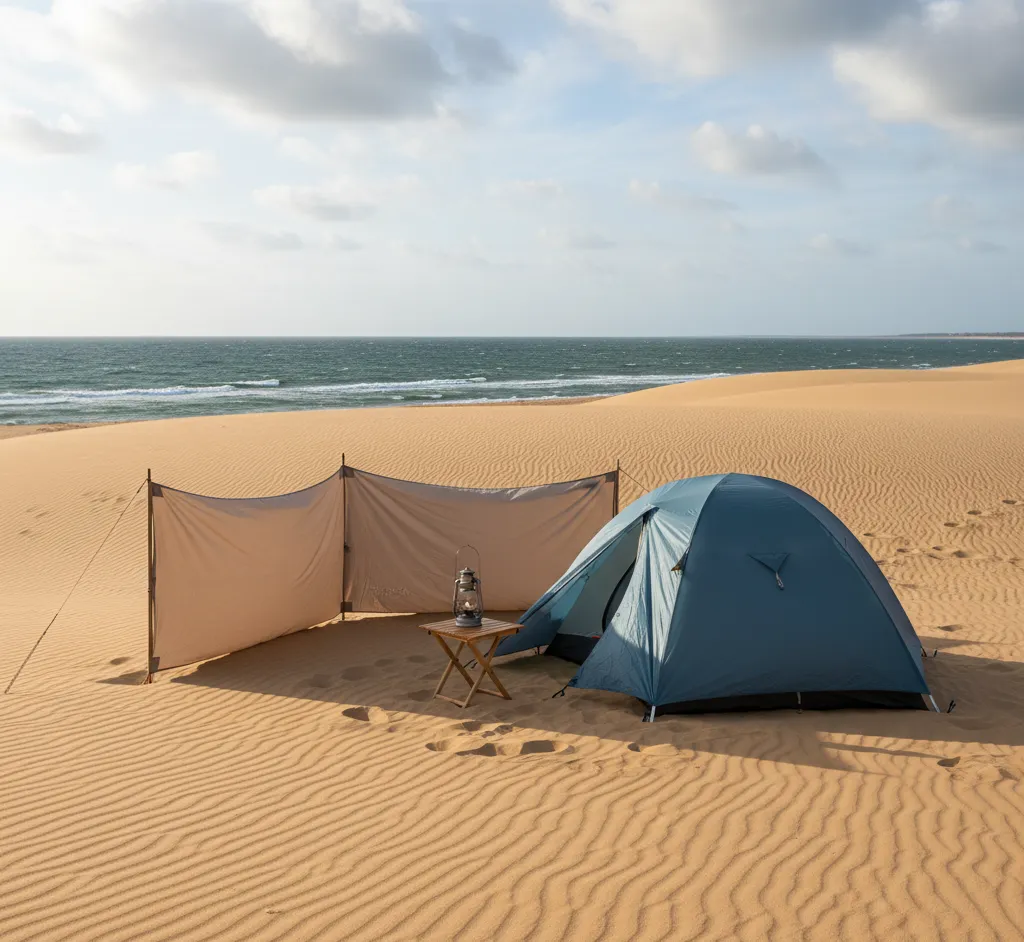
Coastal-Specific Considerations
- Salt spray corrodes zips, soaks gear and gets everywhere. Wash kit after coastal trips
- Sand gets in everything — sleeping bags, stoves, food
- Wind is constant and stronger than inland. Low-profile shelter essential
- Tides — never camp below the high tide line. Check tide tables
- Sun reflection off water intensifies UV — extra sun protection needed
Post-Trip Kit Care
Salt destroys outdoor gear. After any coastal camping trip:
- Rinse all zips with fresh water
- Wash tent with fresh water, dry fully
- Clean stove connections — salt corrodes gas fittings
- Wash sleeping bag if exposed to salt spray
- Oil any metal components — knife blades, compass housing
Key Product Recommendations
Vango Nevis 200
Amazon UK2.5kg
3,000mm
Pros
- +Handles coastal wind reasonably
- +Waterproof
- +Good value
Cons
- −Not the most wind-resistant
- −Heavy
A reliable tent for sheltered coastal campsites.
View dealAffiliate link — we may earn a small commission at no extra cost to you
Sea to Summit Hydraulic Dry Bag
Amazon UK20L
Heavy-duty TPU
Pros
- +Submersible
- +Shoulder strap
- +Tough
Cons
- −Heavy
- −Expensive
Proper waterproofing for coastal activities where gear might get soaked.
View dealAffiliate link — we may earn a small commission at no extra cost to you
Berghaus Fellmaster
Amazon UK400g
20,000mm
Pros
- +Handles coastal rain and spray
- +Good hood
- +20,000mm HH
Cons
- −No pit zips
- −Adequate breathability
The waterproof that handles salt spray and coastal weather.
View dealAffiliate link — we may earn a small commission at no extra cost to you
Coastal Camping Challenges
Coastal conditions differ from inland: persistent wind, salt spray (corrodes zippers and fabric), sand (gets everywhere), stronger UV, and rapidly changing weather. Choose gear that handles wind and moisture. Clean all gear after coastal trips to remove salt.
Tide Awareness
Check tide times before camping near the coast. Some beaches and coastal paths are impassable at high tide. The RNLI and Magic Seaweed apps provide tide tables for all UK coastal locations. Never camp below the high tide line.
Building Your Kit Gradually
You do not need to buy everything at once. Start with shelter and sleep (the most critical items for comfort and safety), then add cooking, then upgrade clothing. Most experienced campers have built their kit over years, upgrading one item at a time as budget and experience allow.
Second-Hand Gear
Quality outdoor gear holds its value and lasts for years. Check eBay, Facebook Marketplace, Alpkit's Used Gear section, and outdoor gear swap meets for second-hand bargains. A used Osprey pack at half price is often better value than a new budget pack at full price. Inspect zips, seams, and waterproofing before buying.
Weight vs Comfort Balance
Every camping trip involves a weight-comfort trade-off. Car camping: maximise comfort, ignore weight. Weekend backpacking: balance both. Ultra-distance: minimise weight ruthlessly. Match your gear choices to your trip type. There is no virtue in carrying ultralight gear when you are car camping, and no sense carrying luxury items when you are hiking 25km per day.
Seasonal Adjustments
UK camping spans temperatures from -10C to 25C depending on season and altitude. No single kit covers everything perfectly. Build a modular system: core items (tent, pack, stove) that work year-round, plus seasonal additions (warmer bag, insulated mat, extra layers for winter; lighter bag, sun protection for summer). This is more efficient and cheaper than owning separate summer and winter kits.
Ready to gear up?
Use our kit builder to get a complete packout list tailored to your trip type, terrain, and budget — with prices and buy links.